📺 Justice League (2001)
Part of DC Animated Universe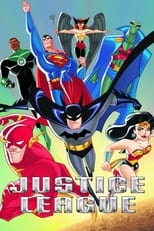
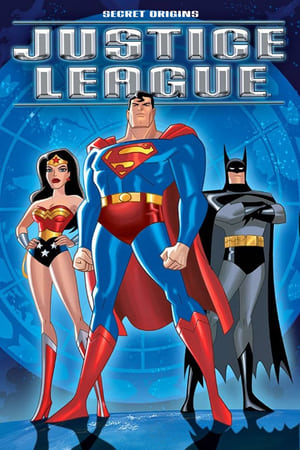
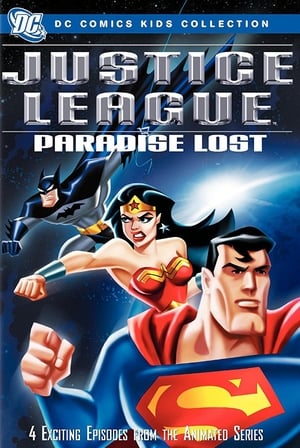
When Bruce Timm and his team set out to adapt the Justice League for television in 2001, they faced a monumental challenge: condensing decades of comic book lore into an accessible animated series without alienating longtime fans. Their solution was to build on the foundation they had already laid with Batman: The Animated Series and Superman: The Animated Series, creating a shared universe that felt lived-in from the very first frame. The core roster was deliberately chosen to balance power sets and personalities, but it also made a few bold deviations from the source material. Most notably, the Green Lantern was John Stewart instead of the more traditional Hal Gardner, a decision that introduced a generation of viewers to a Black superhero as a leading man. Similarly, Hawkgirl was elevated from a relatively niche character to a founding member, a move that paid off dramatically in the series' storytelling.
The series took a serialized approach that was unusual for superhero cartoons of the era, with multi-part episodes that allowed for genuine character development and escalating stakes. While the Silver Age comics often leaned into camp and cosmic absurdity, the animated Justice League grounded its conflicts in the interpersonal dynamics of its heroes. Episodes like "A Knight of Shadows" and "The Enemy Below" dug into the loneliness of Martian Manhunter and the reluctant kingship of Aquaman, giving weight to characters who could have easily been reduced to their power sets. The show was not afraid to show its heroes failing, arguing, or making terrible mistakes, which made their eventual triumphs feel earned rather than inevitable.
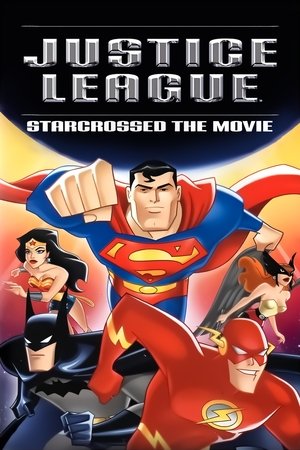
Perhaps the most significant departure from the comics was the season two finale, "Starcrossed," which revealed Hawkgirl as an advance scout for a Thanagarian invasion. This betrayal and its aftermath redefined the team's trust and directly set the stage for the sequel series Justice League Unlimited. The creative team originally believed "Starcrossed" would be the series finale, which explains its operatic, no-holds-barred approach to dismantling the team's status quo. The emotional fallout, particularly the romance between Hawkgirl and John Stewart, became one of the defining arcs of the entire DC Animated Universe.
Critically, the series was hailed as a benchmark for superhero animation, praised for its mature writing, cinematic scope, and willingness to respect its audience's intelligence. It proved that an ensemble superhero show could balance action with genuine pathos, paving the way for the even more ambitious Justice League Unlimited. While the comics continued to reboot and reimagine the team, for many fans who grew up in the early 2000s, this seven-member lineup remains the definitive Justice League.

The Justice League is a legendary superhero team in DC Comics, first appearing in The Brave and the Bold #28 in 1960, created by writer Gardner Fox and artist Mike Sekowsky. The team unites DC's most iconic heroes—Superman, Batman, Wonder Woman, the Flash, Green Lantern, Aquaman, and Martian Manhunter—to combat threats too powerful for any single hero. Inspired by the Justice Society of America from the 1940s, it marked a new era of team-up adventures during the Silver Age of Comics, emphasizing unity, heroism, and epic battles against villains like Starro the Conqueror and the Injustice Gang.
Over decades, the Justice League evolved through various lineups, story arcs, and creative teams, exploring themes of leadership, sacrifice, and the balance between power and morality. Key runs include the 1980s era by Keith Giffen and J.M. DeMatteis, which added humor and ensemble dynamics, and Grant Morrison's 2000s JLA, which restored the core roster and tackled cosmic-scale crises. The team's cultural impact is immense, spawning countless spin-offs, influencing pop culture, and symbolizing the ultimate alliance of good against evil.
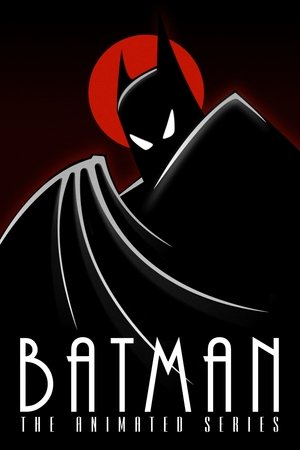
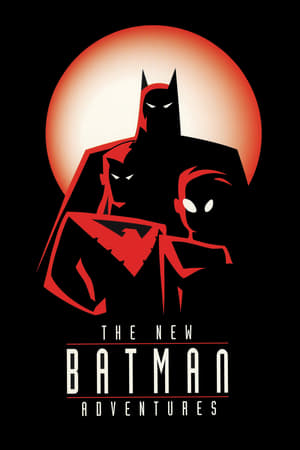
The DC Animated Universe (DCAU) is a groundbreaking shared continuity that redefined superhero animation, beginning with the noir-infused debut of Batman: The Animated Series in 1992 and expanding across multiple series and films over more than two decades. Created primarily by Bruce Timm and Paul Dini, the universe established a cohesive world where characters migrated fluidly between shows, culminating in the assembly of the Justice League as a team and the passing of the torch to a new generation in Batman Beyond.
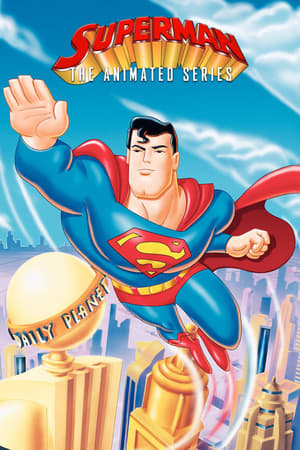
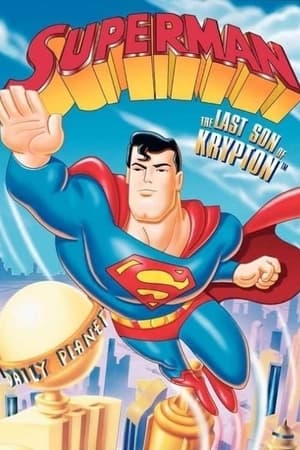
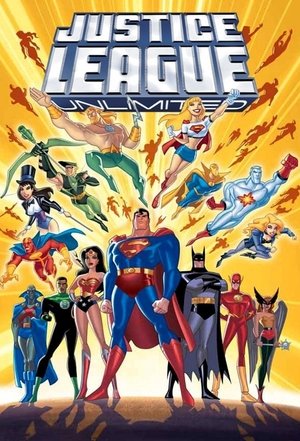
What set the DCAU apart was its refusal to talk down to its audience. Episodes tackled grief, addiction, political corruption, and the moral compromises of heroism with a sophistication rarely seen in Western animation. Superman: The Animated Series brought optimism and warmth, Static Shock introduced a younger and more diverse perspective, and The Zeta Project explored gentler territory within the same world. Justice League and its continuation Justice League Unlimited delivered sprawling multi-episode arcs that felt like annual comic book events come to life, weaving dozens of DC characters into an unprecedented serialized narrative.
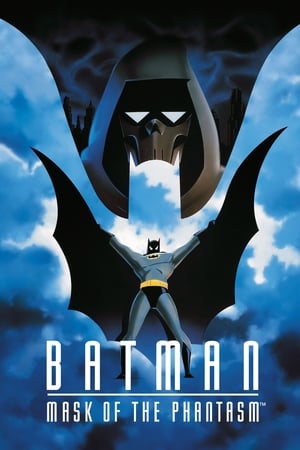
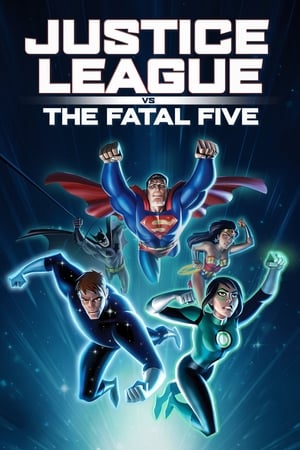
The universe's films extended its storytelling into cinematic territory, from the theatrical elegance of Batman: Mask of the Phantasm—widely regarded as one of the greatest Batman films ever made—to the dark psychological depths of Batman Beyond: Return of the Joker. Later entries such as Justice League vs. the Fatal Five (2019) demonstrated the DCAU's enduring legacy, bridging classic characters with new heroes more than a decade after the core series concluded.
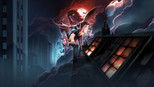
The DC Animated Universe is a shared continuity of animated television series and films based on characters from DC Comics. It was launched in the early 1990s under the creative guidance of producer and artist Bruce Timm, whose distinctive visual style and storytelling approach set a new standard for superhero animation. The series within this universe are noted for their mature themes, complex character development, and serialized storytelling, often blending noir aesthetics with modern action.
From its inception, the universe redefined the animated adaptation of comic book heroes, introducing a generation to darker, more psychologically rich narratives. The interconnected stories allowed characters to grow and relationships to evolve across multiple shows, creating an expansive and cohesive fictional world. Recurring voice actors and a consistent artistic vision further unified the projects, lending a sense of continuity rarely seen in television animation at the time.
The universe became known for addressing social issues, moral ambiguity, and the human cost of heroism, elevating the material beyond simple children's entertainment. It earned critical acclaim and a dedicated fanbase that followed the continuity from its first series to its later, more epic ensemble stories. Its influence extended beyond television, impacting subsequent DC animated films, video games, and even live-action portrayals of the characters.
The legacy of this shared universe is enduring; it is often hailed as one of the finest achievements in superhero animation. Its approach to serialized, character-driven storytelling laid the groundwork for many animated projects that followed, and its versions of iconic heroes remain definitive for many fans.