📺 Super Friends (1973)
Based on comic
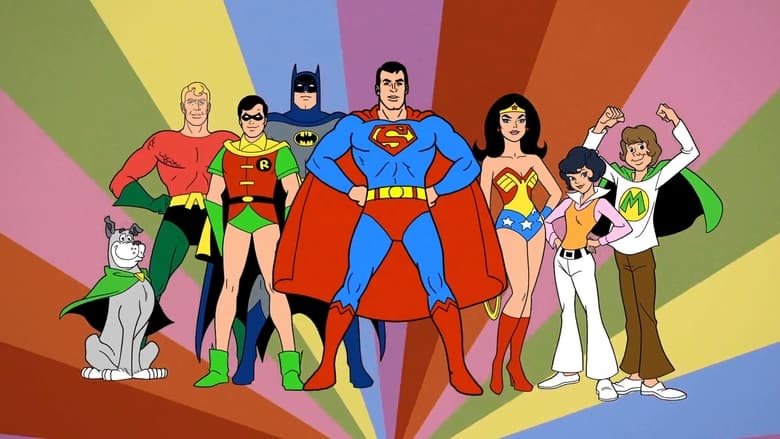
When Hanna-Barbera brought the Justice League to Saturday morning television in 1973, they created something that would define superhero animation for an entire generation — but they also had to fundamentally reimagine what a team of godlike heroes could do within the strict boundaries of children's programming. The result was "Super Friends," a series that took DC's mightiest champions and sanded down virtually every edge that made the comics compelling. Gone were the interpersonal conflicts, the moral ambiguity, and any hint of real violence. Instead, Superman, Batman, Wonder Woman, Aquaman, and their newly introduced sidekicks Wendy, Marvin, and Wonder Dog spent most of their time foiling the plans of misguided scientists and well-meaning aliens who could invariably be talked into surrendering through a calm, rational discussion at the episode's end.
The first season established a template that was almost aggressively non-confrontational. Villains were not truly villainous — they were eccentric professors, environmental extremists with good intentions, or extraterrestrial visitors who simply didn't understand Earth customs. The heroes rarely threw a punch, and the climax of nearly every story involved the Super Friends sitting down with the antagonist to explain why their methods were wrong, after which everyone shook hands and learned a valuable lesson. This approach was a direct response to the intense scrutiny children's television faced in the early 1970s regarding violence, and it created a version of the Justice League that was more public service announcement than superhero adventure. The show even incorporated safety tips and educational segments, with the heroes teaching kids how to cross the street or why littering was bad.
As the series evolved through its many incarnations — from "The All-New Super Friends Hour" in 1977 to "Challenge of the Superfriends" in 1978 — the tone shifted dramatically. The introduction of the Legion of Doom, a coalition of actual DC Comics villains like Lex Luthor, the Riddler, Brainiac, and Black Manta, finally gave the show stakes that resembled the source material. These villains couldn't be reasoned with; they required direct confrontation. Yet even here, the adaptation remained distinctly sanitized. The Legion of Doom operated out of a swamp headquarters that looked like a Darth Vader helmet, and their schemes, while more dangerous, still ended with clean resolutions and no lasting consequences. The series cycled through multiple titles and formats — "The World's Greatest SuperFriends," "Super Friends: The Legendary Super Powers Show," and finally "The Super Powers Team: Galactic Guardians" in 1985 — each iteration gradually introducing more complex storytelling while never fully abandoning the educational mandate that defined its origins.
For all its limitations, "Super Friends" became a cultural institution that ran for over a decade and 93 episodes, introducing millions of children to characters who would dominate pop culture for the rest of their lives. It was the first time many viewers ever saw the Justice League in action, and its version of the team — particularly the core lineup of Superman, Batman, Wonder Woman, Aquaman, and the Flash — became the definitive roster in the public imagination. The show's legacy is complicated: it's simultaneously remembered fondly for its earnest, colorful heroism and gently mocked for its absurdly non-violent approach to crime-fighting. But without "Super Friends," the path to "Justice League Unlimited" and the modern DC animated universe would have looked very different. It proved these characters could work on television, even if they had to learn to use their words before their fists.

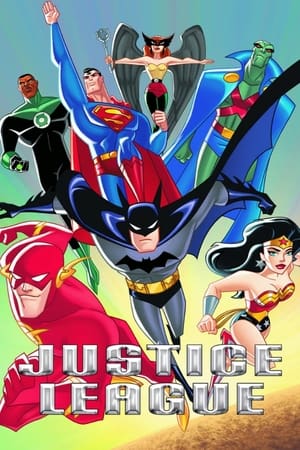
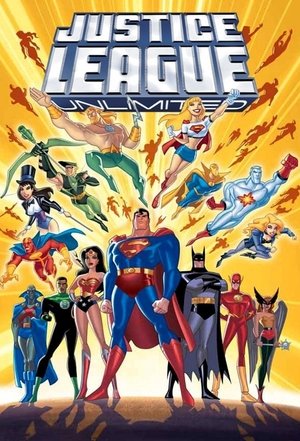
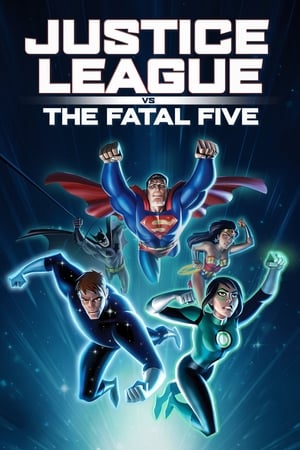
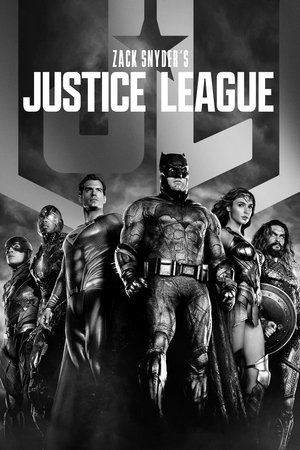
The Justice League is a legendary superhero team in DC Comics, first appearing in The Brave and the Bold #28 in 1960, created by writer Gardner Fox and artist Mike Sekowsky. The team unites DC's most iconic heroes—Superman, Batman, Wonder Woman, the Flash, Green Lantern, Aquaman, and Martian Manhunter—to combat threats too powerful for any single hero. Inspired by the Justice Society of America from the 1940s, it marked a new era of team-up adventures during the Silver Age of Comics, emphasizing unity, heroism, and epic battles against villains like Starro the Conqueror and the Injustice Gang.
Over decades, the Justice League evolved through various lineups, story arcs, and creative teams, exploring themes of leadership, sacrifice, and the balance between power and morality. Key runs include the 1980s era by Keith Giffen and J.M. DeMatteis, which added humor and ensemble dynamics, and Grant Morrison's 2000s JLA, which restored the core roster and tackled cosmic-scale crises. The team's cultural impact is immense, spawning countless spin-offs, influencing pop culture, and symbolizing the ultimate alliance of good against evil.