🎬 Justice League vs. the Fatal Five (2019)
Part of DC Animated Universe
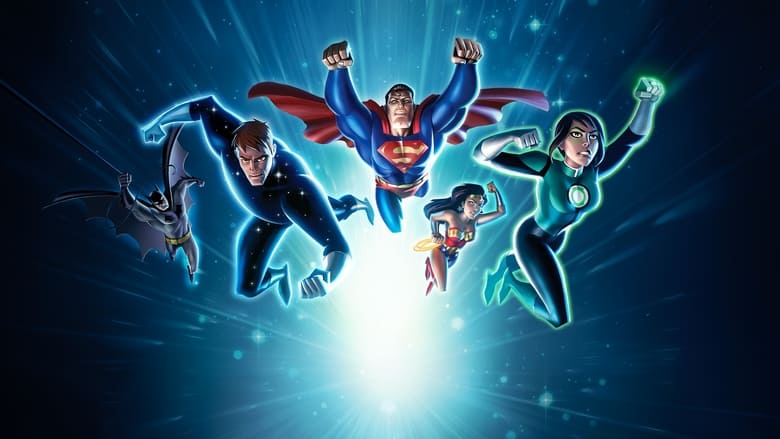
Justice League vs. the Fatal Five is a fascinating anomaly within the DC Universe Animated Original Movies line, acting as a deliberate bridge between eras. Rather than a straightforward adaptation of a single comic storyline, the film functions as a spiritual successor to the beloved Justice League Unlimited animated series, bringing back the iconic vocal trinity of Kevin Conroy, Susan Eisenberg, and George Newbern as Batman, Wonder Woman, and Superman. The narrative cleverly grafts characters from the 31st century’s Legion of Super-Heroes onto a classic Justice League framework, introducing Star Boy, a young hero grappling with mental health issues in a time that doesn't understand him, as the emotional core. This choice allows the film to explore the League’s role not just as warriors, but as mentors and symbols of hope for a future that has seemingly forgotten them.
The film’s approach to its source material is one of synthesis, pulling the Fatal Five villains from their traditional Legion of Super-Heroes comic book context and dropping them into a present-day conflict. This creates a unique dynamic where the League’s old-school heroism clashes with the raw, futuristic brutality of Mano, Tharok, and the Persuader. A key change from the comics is the central focus on Jessica Cruz, a relatively new Green Lantern struggling with crippling anxiety and agoraphobia. Her journey from isolation to finding the willpower to wield her ring becomes the film’s most compelling arc, offering a modern, psychologically nuanced counterpoint to the more seasoned, confident heroes. This thematic focus on internal struggle, paralleled in Star Boy’s own battle to maintain his sanity, elevates the film beyond a simple punch-up.
Critically, the film was warmly received, particularly for its character-driven storytelling and the seamless vocal performances of its returning cast, which provided a powerful wave of nostalgia. The animation style, closely mirroring Bruce Timm’s iconic designs from the DCAU, further solidified its connection to that beloved universe, even if its canonical placement is left intentionally ambiguous. The action is sharp and impactful, but the quieter moments—like Batman’s silent, understanding nod to Jessica Cruz—resonate most deeply. It stands as a testament to the enduring appeal of the Conroy-era League, proving that these characters can still anchor new stories that feel both classic and contemporary.
Released posthumously for longtime DC producer Benjamin Melniker, the film carries a subtle, elegiac quality, celebrating a legacy of heroism across time. It doesn't attempt to reinvent the wheel but instead polishes it to a fine sheen, reminding audiences why the Justice League’s core values of compassion and unity are timeless. By blending the Legion’s futuristic lore with the League’s present-day iconography, Justice League vs. the Fatal Five succeeds as a poignant character study wrapped in a cosmic adventure, honoring the past while giving a new generation of heroes, like Jessica Cruz, a chance to shine.

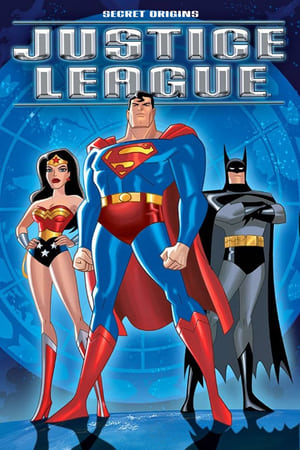
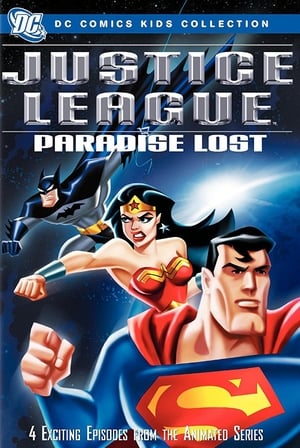
The Justice League is a legendary superhero team in DC Comics, first appearing in The Brave and the Bold #28 in 1960, created by writer Gardner Fox and artist Mike Sekowsky. The team unites DC's most iconic heroes—Superman, Batman, Wonder Woman, the Flash, Green Lantern, Aquaman, and Martian Manhunter—to combat threats too powerful for any single hero. Inspired by the Justice Society of America from the 1940s, it marked a new era of team-up adventures during the Silver Age of Comics, emphasizing unity, heroism, and epic battles against villains like Starro the Conqueror and the Injustice Gang.
Over decades, the Justice League evolved through various lineups, story arcs, and creative teams, exploring themes of leadership, sacrifice, and the balance between power and morality. Key runs include the 1980s era by Keith Giffen and J.M. DeMatteis, which added humor and ensemble dynamics, and Grant Morrison's 2000s JLA, which restored the core roster and tackled cosmic-scale crises. The team's cultural impact is immense, spawning countless spin-offs, influencing pop culture, and symbolizing the ultimate alliance of good against evil.
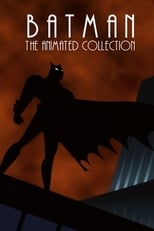
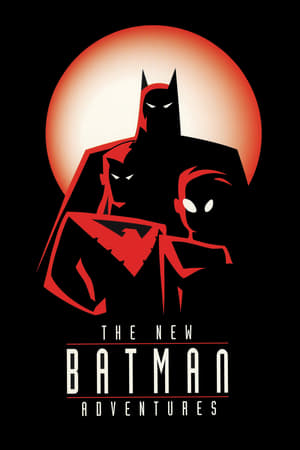
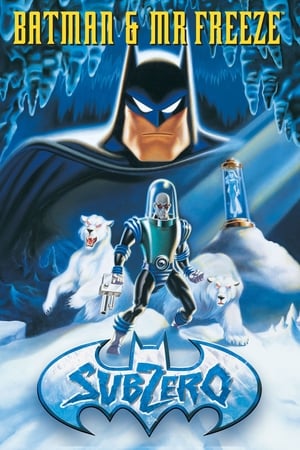
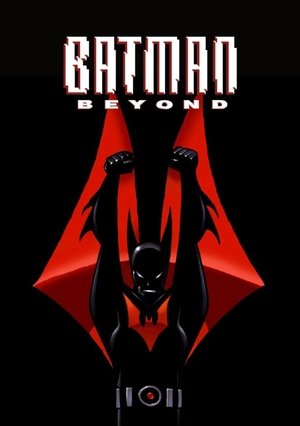
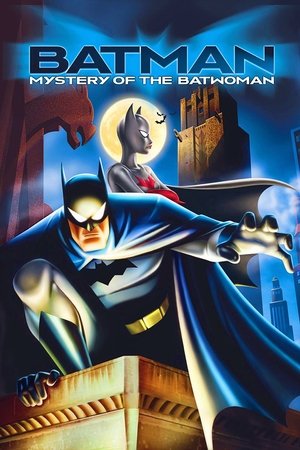
The DC Animated Universe (DCAU) is a groundbreaking shared continuity that redefined superhero animation, beginning with the noir-infused debut of Batman: The Animated Series in 1992 and expanding across multiple series and films over more than two decades. Created primarily by Bruce Timm and Paul Dini, the universe established a cohesive world where characters migrated fluidly between shows, culminating in the assembly of the Justice League as a team and the passing of the torch to a new generation in Batman Beyond.
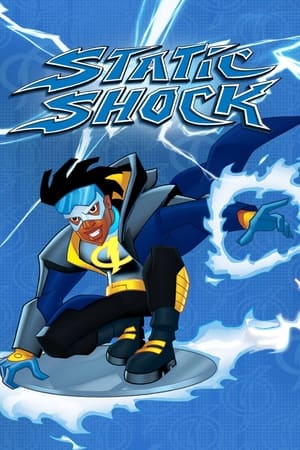
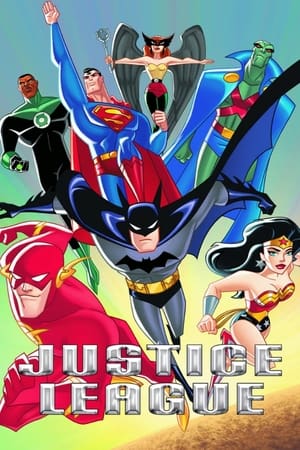
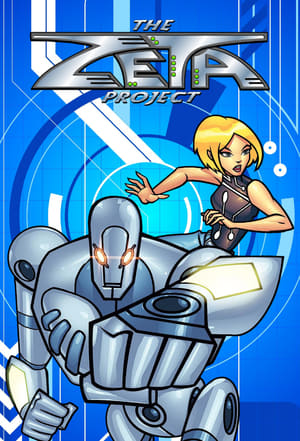
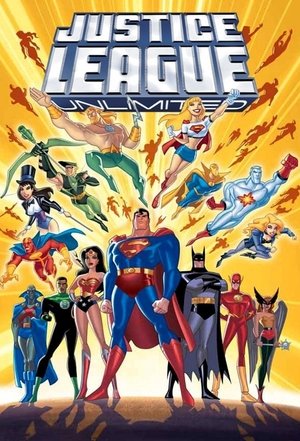
What set the DCAU apart was its refusal to talk down to its audience. Episodes tackled grief, addiction, political corruption, and the moral compromises of heroism with a sophistication rarely seen in Western animation. Superman: The Animated Series brought optimism and warmth, Static Shock introduced a younger and more diverse perspective, and The Zeta Project explored gentler territory within the same world. Justice League and its continuation Justice League Unlimited delivered sprawling multi-episode arcs that felt like annual comic book events come to life, weaving dozens of DC characters into an unprecedented serialized narrative.
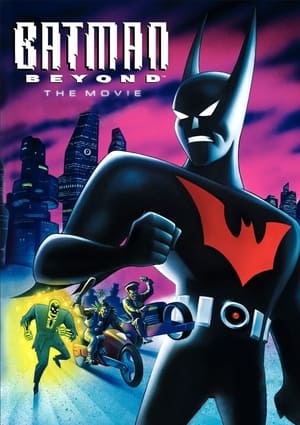
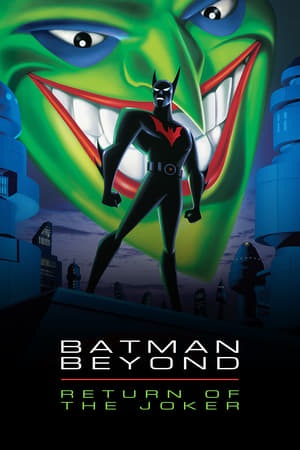
The universe's films extended its storytelling into cinematic territory, from the theatrical elegance of Batman: Mask of the Phantasm—widely regarded as one of the greatest Batman films ever made—to the dark psychological depths of Batman Beyond: Return of the Joker. Later entries such as Justice League vs. the Fatal Five (2019) demonstrated the DCAU's enduring legacy, bridging classic characters with new heroes more than a decade after the core series concluded.
The DC Animated Universe is a shared continuity of animated television series and films based on characters from DC Comics. It was launched in the early 1990s under the creative guidance of producer and artist Bruce Timm, whose distinctive visual style and storytelling approach set a new standard for superhero animation. The series within this universe are noted for their mature themes, complex character development, and serialized storytelling, often blending noir aesthetics with modern action.
From its inception, the universe redefined the animated adaptation of comic book heroes, introducing a generation to darker, more psychologically rich narratives. The interconnected stories allowed characters to grow and relationships to evolve across multiple shows, creating an expansive and cohesive fictional world. Recurring voice actors and a consistent artistic vision further unified the projects, lending a sense of continuity rarely seen in television animation at the time.
The universe became known for addressing social issues, moral ambiguity, and the human cost of heroism, elevating the material beyond simple children's entertainment. It earned critical acclaim and a dedicated fanbase that followed the continuity from its first series to its later, more epic ensemble stories. Its influence extended beyond television, impacting subsequent DC animated films, video games, and even live-action portrayals of the characters.
The legacy of this shared universe is enduring; it is often hailed as one of the finest achievements in superhero animation. Its approach to serialized, character-driven storytelling laid the groundwork for many animated projects that followed, and its versions of iconic heroes remain definitive for many fans.