🎬 Batman Beyond: The Movie (1999)
Part of Batman Beyond
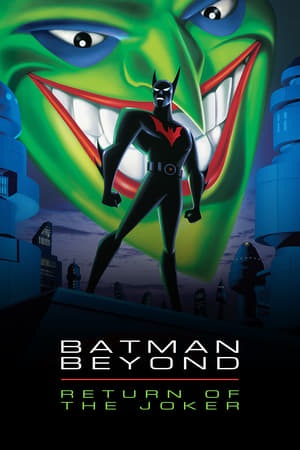
Batman Beyond: The Movie is the feature-length pilot of the acclaimed animated series Batman Beyond, edited together from the first two episodes, 'Rebirth, Part 1' and 'Rebirth, Part 2.' Released in 1999, the film introduces audiences to a dystopian future Gotham City, decades after the original Batman has retired. An aging Bruce Wayne, voiced by Kevin Conroy, is forced to hang up the cape after a heart condition forces him to use a gun to fend off a kidnapper, breaking his cardinal rule.
The story follows Terry McGinnis, a troubled teenager who discovers Bruce's secret identity after the former hero helps him fight off a gang of Jokerz. When Terry's father is murdered by a corporate conspiracy involving the powerful Derek Powers, Terry steals the advanced Batsuit and seeks justice. Bruce, initially resistant, eventually agrees to mentor the boy, guiding him from the Batcave as a new Batman rises to protect Neo-Gotham.
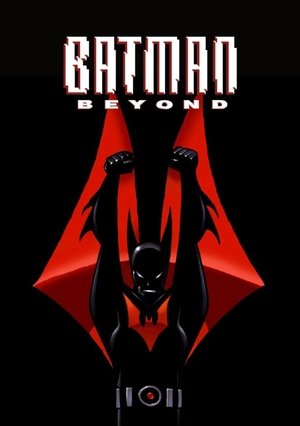
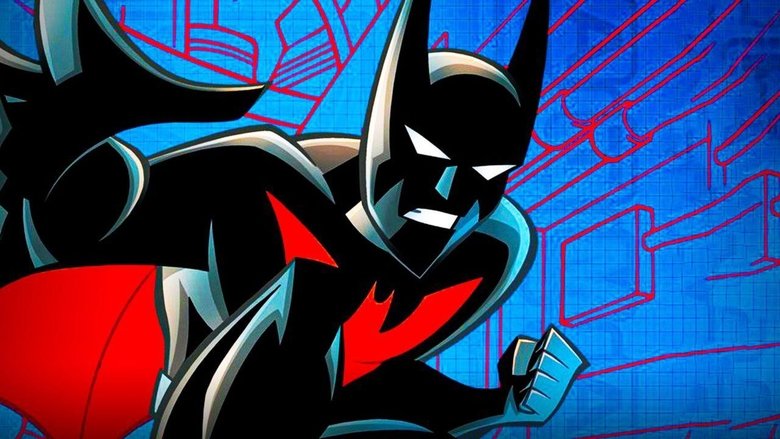
As a direct continuation of the DC Animated Universe established by Batman: The Animated Series, the film serves as a bridge between the classic Batman lore and a radical new vision. The high-tech Batsuit, complete with rocket boots, retractable wings, and cloaking abilities, marked a significant departure from the traditional cloth-and-cape aesthetic, embracing a cyberpunk style that defined the series. The film was well-received for its emotional depth, particularly the strained father-son dynamic between Bruce and Terry, and its willingness to permanently alter the Batman mythos.
The Batman Beyond animated series is a cyberpunk reimagining of the Batman mythos, set decades after Bruce Wayne's prime. Created by Paul Dini, Bruce Timm, and Alan Burnett, it transports the Dark Knight legacy into a neon-drenched, technologically advanced Gotham City of the future. The narrative centers on Terry McGinnis, a teenager who stumbles upon the elderly Bruce Wayne's secret and takes up the mantle of Batman under his reluctant mentorship. This collection, comprising the series' pilot film and its feature-length follow-up, explores the enduring power of the Batman symbol and the idea that heroism can be passed across generations, adapting to new eras while retaining its core mission of justice. The futuristic setting allows for a fresh examination of classic themes—trauma, responsibility, and the war on crime—through the lens of a new, younger protagonist who must navigate a morally complex metropolis far removed from the original crusade's origins. The dynamic between an aging, battle-worn veteran and his impulsive, youthful successor provides a rich emotional core, delving into how mentorship and legacy evolve when the world has changed so drastically. The series is celebrated for its mature storytelling, which blends traditional superhero action with grounded character development and a distinctive visual style defined by sleek, angular designs and a synth-driven soundtrack. It proved that animated superhero narratives could tackle complex, adult-oriented themes, influencing subsequent media and earning a dedicated cult following. The collection remains a significant and beloved chapter in the broader DC animated universe, leaving a lasting mark on pop culture through its unique take on the Caped Crusader's future.
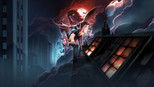
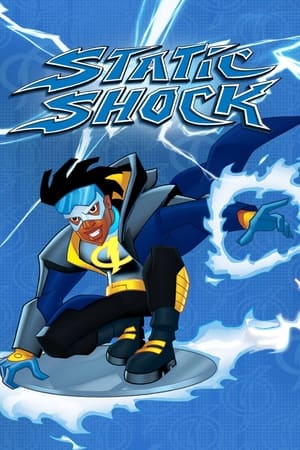
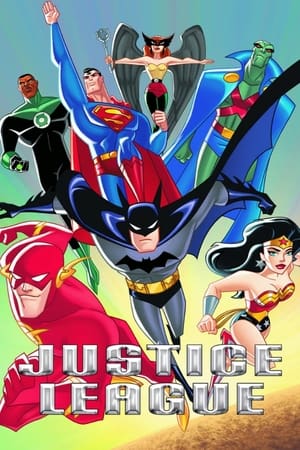
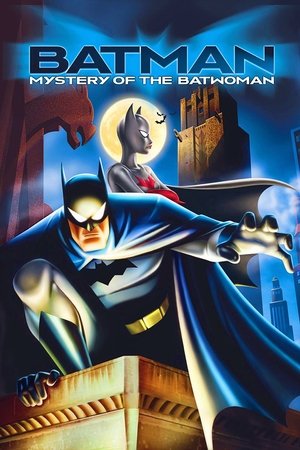
The DC Animated Universe is a shared continuity of animated television series and films based on characters from DC Comics. It was launched in the early 1990s under the creative guidance of producer and artist Bruce Timm, whose distinctive visual style and storytelling approach set a new standard for superhero animation. The series within this universe are noted for their mature themes, complex character development, and serialized storytelling, often blending noir aesthetics with modern action.
From its inception, the universe redefined the animated adaptation of comic book heroes, introducing a generation to darker, more psychologically rich narratives. The interconnected stories allowed characters to grow and relationships to evolve across multiple shows, creating an expansive and cohesive fictional world. Recurring voice actors and a consistent artistic vision further unified the projects, lending a sense of continuity rarely seen in television animation at the time.
The universe became known for addressing social issues, moral ambiguity, and the human cost of heroism, elevating the material beyond simple children's entertainment. It earned critical acclaim and a dedicated fanbase that followed the continuity from its first series to its later, more epic ensemble stories. Its influence extended beyond television, impacting subsequent DC animated films, video games, and even live-action portrayals of the characters.
The legacy of this shared universe is enduring; it is often hailed as one of the finest achievements in superhero animation. Its approach to serialized, character-driven storytelling laid the groundwork for many animated projects that followed, and its versions of iconic heroes remain definitive for many fans.