🎬 Batman Forever (1995)
Part of Batman (1989–1997)
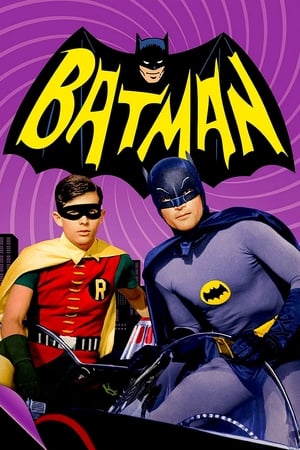
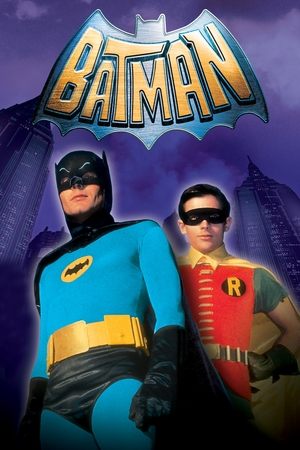
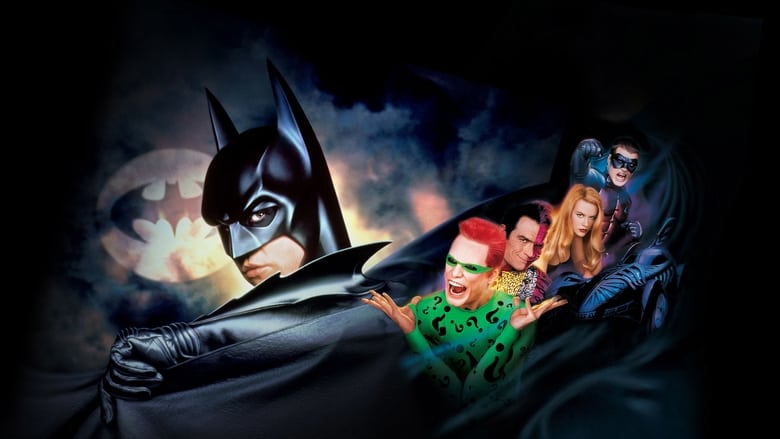
Batman Forever marked a significant turning point for the Caped Crusader on the big screen. Released in 1995, it was the third installment in Warner Bros.' initial Batman film series, following the darker, gothic visions of Tim Burton's Batman and Batman Returns. With Joel Schumacher taking over directorial duties, the film deliberately pivoted away from Burton's dystopian aesthetic, instead drawing vibrant inspiration from the Dick Sprang era of the comics and the campy 1960s television series starring Adam West.
The film pits Val Kilmer's Batman against two iconic villains from the rogues' gallery: the Riddler, played with manic, scene-stealing energy by Jim Carrey, and Two-Face, portrayed by Tommy Lee Jones. The plot revolves around the villains' scheme to drain the intellects of Gotham's citizens using a mind-manipulating device, while Bruce Wayne grapples with his dual identity and his growing feelings for criminal psychologist Dr. Chase Meridian, played by Nicole Kidman. The film also introduces Chris O'Donnell as Dick Grayson, an orphaned acrobat who becomes Batman's partner, Robin, adding a dynamic sidekick element that had been absent from the previous films.
Schumacher's vision was one of neon-drenched excess, with exaggerated set designs, sculpted Batsuits complete with nipples, and a heightened, operatic tone that divided critics but captivated audiences. The film was a massive commercial success, becoming the sixth-highest-grossing film of the year worldwide. Its soundtrack was equally iconic, featuring Seal's "Kiss from a Rose" and U2's "Hold Me, Thrill Me, Kiss Me, Kill Me," both of which became major hits. While some fans lamented the departure from Burton's brooding atmosphere, Batman Forever successfully re-energized the franchise for a new generation, proving that the Dark Knight could thrive in a more colorful, action-packed spectacle.
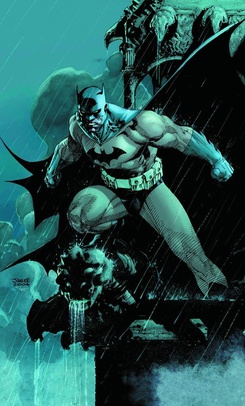
Batman is a fictional superhero created by artist Bob Kane and writer Bill Finger, first appearing in Detective Comics #27 in 1939. The character's secret identity is Bruce Wayne, a wealthy American playboy, philanthropist, and industrialist who resides in Gotham City. After witnessing the murder of his parents as a child, he swore revenge against criminals, an oath tempered by a sense of justice. Bruce Wayne trains himself physically and intellectually and crafts a bat-inspired persona to fight crime.
Unlike many superheroes, Batman possesses no superpowers; he relies on his genius intellect, physical prowess, martial arts abilities, detective skills, science and technology, vast wealth, intimidation, and indomitable will. A large ensemble cast of supporting characters includes his sidekick Robin, butler Alfred Pennyworth, and Police Commissioner James Gordon, as well as a rogues' gallery of villains including the Joker, Penguin, Harley Quinn, and Poison Ivy.
Batman quickly became one of DC Comics' most popular characters and has been adapted into numerous media, including film, television, animation, and video games. The character's dark, brooding nature and complex psychology have made him a cultural icon recognized worldwide, representing the archetype of the vigilante hero who operates outside the law to achieve justice.
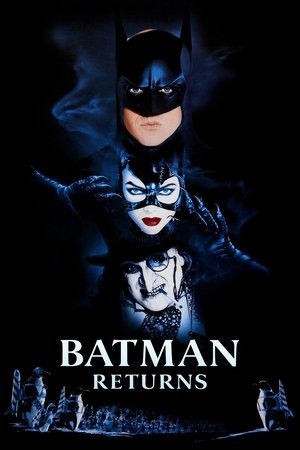
The Batman film series from 1989 to 1997 represents Warner Bros.' foundational cinematic interpretation of the DC Comics character, marking a pivotal era in superhero filmmaking. Spanning four films, the series chronicles a dramatic tonal evolution, beginning with Tim Burton's darkly gothic vision and transitioning into Joel Schumacher's more flamboyant, camp-infused aesthetic. This collection not only redefined the caped crusader for a new generation but also demonstrated the immense commercial viability of comic book adaptations, setting the stage for the genre's future dominance. The series is unified by its exploration of duality, trauma, and the grotesque, though each installment interprets these themes through a distinctly different stylistic lens, from German Expressionist shadows to neon-lit excess. As a complete narrative arc, it traces Batman's journey from a solitary, vengeful figure to a more collaborative hero within a family of allies, before ultimately succumbing to the very campiness its first entry had so decisively rejected. The series' legacy is one of bold artistic swings and cautionary corporate pivots, leaving behind iconic character portrayals that continue to influence the Batman mythos.