🎬 Batman: Bad Blood (2016)
Part of Son of Batman
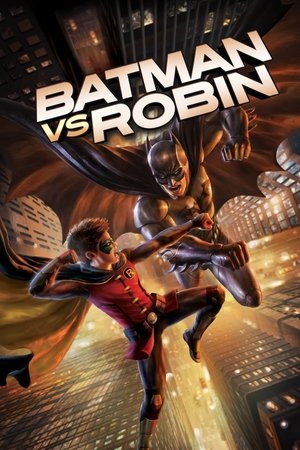
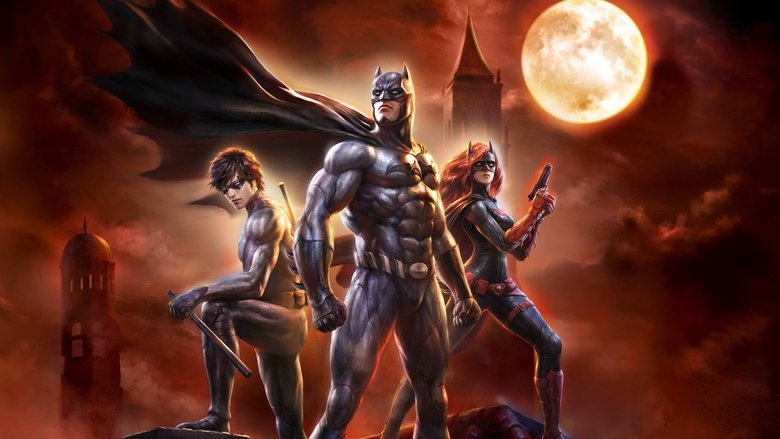
Batman: Bad Blood is a 2016 animated superhero film and the sixth entry in the DC Animated Movie Universe, serving as a direct sequel to 2015's Batman vs. Robin. While not a direct page-for-page adaptation of a single comic storyline, the film draws heavily from Grant Morrison's celebrated run on Batman, particularly the Batman Incorporated series and its Leviathan story arcs. The film brings together a expanded Bat-family, with Batman, Nightwing, Robin, and the newly introduced Batwoman facing off against a mysterious new villain called the Heretic.
The Heretic, a masked figure leading a coalition of Gotham criminals, is revealed to be a clone of Damian Wayne, created by Talia al Ghul as part of her Leviathan organization's plans. This directly mirrors the Batman Incorporated comics, where the Heretic serves as Talia's enforcer and ultimately kills Damian Wayne in a shocking moment. The film adapts these elements into its own narrative, exploring themes of family, legacy, and the psychological toll of Batman's war on crime, while also giving significant screen time to Batwoman's origin and her integration into the team.
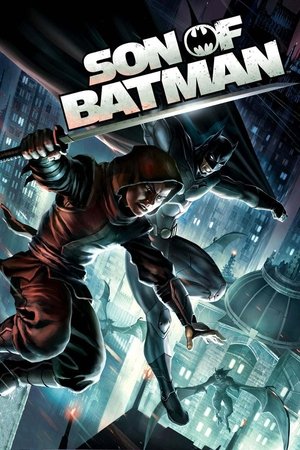
The film is part of the 'Son of Batman Collection' within the larger DC Universe Animated Original Movies line, continuing the story threads established in Son of Batman and Batman vs. Robin. It features returning voice performances from Jason O'Mara as Batman, Sean Maher as Nightwing, and Stuart Allan as Robin, with Morena Baccarin reprising her role as Talia al Ghul. Yvonne Strahovski joins the cast as Batwoman, bringing the character to animated life in a storyline that blends Morrison's globe-trotting espionage concepts with the more intimate family drama that defined this era of DC's animated films.

Batman Incorporated is an American comic book series published by DC Comics, written by Grant Morrison. The series debuted in 2011, following the events of Batman R.I.P., Final Crisis, and The Return of Bruce Wayne. After being stranded in the distant past and presumed dead, Bruce Wayne returns to the present-day DC Universe and takes his war on crime to a global scale by 'franchising' the Batman identity. He drafts, trains, and commands a worldwide team of heroes who answer to him, collectively known as Batman Incorporated.
The series explores the symbolic power of Batman on an international stage, with Bruce Wayne traveling across the world to establish and oversee his network of operatives. The first volume ran until December 2011, and a second volume launched in May 2012 under DC's New 52 relaunch, continuing the narrative while incorporating altered elements of DC Universe continuity. The run is a direct continuation of Morrison's larger Batman saga, which includes storylines such as Batman and Son, The Black Glove, and Batman and Robin.
Batman Incorporated introduced new characters and concepts to the Batman mythos, including the villainous organization Leviathan and its leader Talia al Ghul, as well as the Heretic, a clone of Damian Wayne. The series is notable for its ambitious scope, blending superhero action with espionage thriller elements, and for concluding Morrison's years-long, critically acclaimed run on the character.
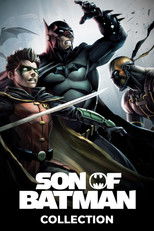
This animated saga serves as a dedicated storyline within the broader DC Animated Movie Universe, focusing on the complex dynamics of legacy and parenthood in the life of Gotham's most famous vigilante. By introducing a long-lost child raised in a world of lethal discipline and ruthless ambition, the series explores the stark contrast between two vastly different approaches to justice and leadership.
At its core, the narrative delves into the challenges of mentorship and the struggle to forge a genuine family bond amidst a backdrop of global threats and personal vendettas. The saga consistently examines how inherited traits and upbringing shape identity, while questioning whether a legacy defined by violence can be redirected toward protection and compassion.
Culturally, the series stands out for its mature storytelling and character-driven plots, which have resonated with fans of both comic book lore and animated cinema. It successfully bridges the gap between standalone superhero adventures and serialized continuity, offering a compelling look at how personal relationships can influence larger heroic endeavors.
The Death of Superman is a pivotal comic book storyline and subsequent media collection centered on the demise and return of DC Comics' iconic hero. Originating in 1992 as a crossover event spanning multiple Superman titles, the narrative chronicles Superman's fatal battle with the unstoppable creature Doomsday, the global mourning that follows, and the emergence of four new characters—the Last Son of Krypton, Superboy, Steel, and the Cyborg Superman—each claiming to carry on his legacy. The story explores themes of heroism, sacrifice, and the irreplaceable nature of a true symbol, examining how a world copes when its greatest protector falls.
Beyond the original comics, the storyline has been adapted into various animated films, most notably within the DC Animated Movie Universe. These adaptations condense and reimagine the sprawling narrative, focusing on the emotional core of Superman's sacrifice and the subsequent power vacuum. The animated entries delve into the challenges faced by the new Supermen as they attempt to fill the void, while also highlighting the vulnerability of Earth in the absence of its champion. The collection showcases the enduring resonance of the Death of Superman mythos across different storytelling mediums.
Culturally, The Death of Superman became a landmark event in comic book history, generating unprecedented mainstream media attention and sales. It sparked debates about the commercial motivations behind major character deaths and influenced a wave of similar high-stakes storylines throughout the industry. The collection's legacy lies in its demonstration of how a single, shocking narrative beat can redefine a character's mythology and captivate a global audience, cementing the story as a touchstone for discussions about mortality and legacy within superhero fiction.