🎬 Batman: The Killing Joke (2016)
Part of DC Universe Animated Original Movies
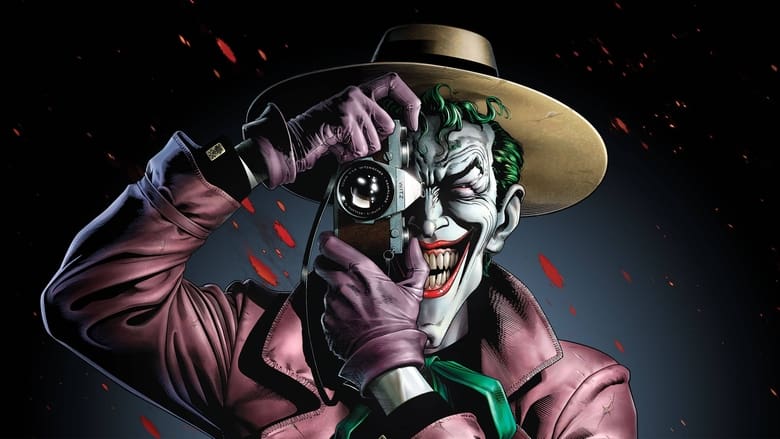
The 2016 animated adaptation of Alan Moore and Brian Bolland's seminal graphic novel arrived with a built-in legacy and a mountain of expectation, largely because it marked the return of the definitive vocal duo of Kevin Conroy and Mark Hamill to their iconic roles. Directed by Sam Liu and scripted by Brian Azzarello, the film was a passion project for Hamill, who had long expressed a desire to voice the Joker in this specific story. However, the translation from page to screen proved deeply divisive. The core narrative remains faithful in its broad strokes, following the Joker's grotesque psychological assault on Commissioner Gordon, intercut with flashbacks to a failed comedian's one terrible day that births the Clown Prince of Crime.
The most significant and controversial change was the addition of a nearly 30-minute prologue focusing on Barbara Gordon, a character whose role in the original book is limited to being a victim. The film attempts to flesh out her relationship with Batman, presenting a romantic entanglement between the two and establishing her as a capable hero before her fateful encounter with the Joker. This creative choice was intended to give Barbara more agency and make her subsequent shooting more impactful, but it backfired spectacularly for many fans and critics. The sexualization of Batgirl and the reduction of her trauma to a plot device that primarily motivates the male characters' pain were widely criticized as a fundamental misunderstanding of what made the source material's brutality so shocking.
Visually, the film struggles to capture the chilling, sterile precision of Brian Bolland's original art. The animation is functional but often stiff, lacking the haunting, photorealistic detail that made the graphic novel's violence so unsettling. Where the film does excel is in its central performances. Mark Hamill delivers a career-best vocal performance, seamlessly shifting from the melancholic pre-Joker to the cackling, singing monster of the present day, his delivery of the iconic "one bad day" monologue dripping with tragic menace. Kevin Conroy's Batman is as stoic and haunted as ever, their final confrontation in the rain-soaked funhouse carrying the full weight of their decades-long history.
Upon release, the film received a limited theatrical run that was a commercial success, but its critical reception was sharply mixed. While the voice acting was universally praised, the Batgirl prologue and the perceived tonal clash it created dominated the conversation, often overshadowing the adaptation of the source material itself. It stands as a fascinating case study in adaptation: a film that had all the right nostalgic ingredients but stumbled by trying to "fix" a story whose brutal, singular focus was the very source of its power.

Batman: The Killing Joke is a landmark graphic novel published by DC Comics in 1988. Written by Alan Moore and illustrated by Brian Bolland, with original colors by John Higgins, it stands as one of the most influential and controversial Batman stories ever created. The narrative presents a possible origin for the Joker, depicting him as a failed stand-up comedian driven to madness by a series of tragic events during one terrible day, while simultaneously detailing his present-day attempt to drive Commissioner Jim Gordon insane to prove that anyone can snap under the right circumstances.
The story is renowned for its psychological depth and its exploration of the thin line between sanity and madness, drawing deliberate parallels between Batman and his arch-nemesis. Moore and Bolland crafted the work as their definitive take on the Joker's psyche, moving beyond a simple crime story into a dark character study. The graphic novel's impact on the broader DC Universe was immediate and lasting, most notably through the shooting and paralysis of Barbara Gordon, the original Batgirl, an event that led to her reinvention as the information broker Oracle.
Critically acclaimed upon release, The Killing Joke won the Eisner Award for Best Graphic Album in 1989 and has consistently appeared on lists of the greatest graphic novels ever published. Its mature themes, stark violence, and ambiguous ending have sparked decades of discussion among fans and critics, cementing its legacy as a seminal work that redefined the Joker for a new generation.
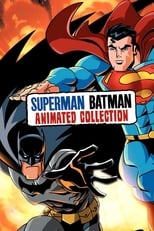
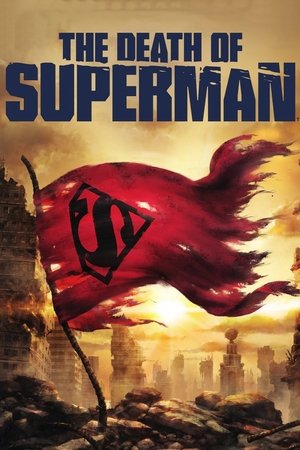
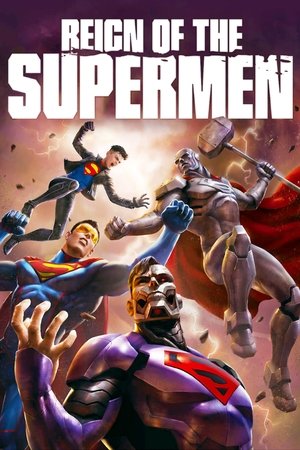
The Death of Superman is a pivotal comic book storyline and subsequent media collection centered on the demise and return of DC Comics' iconic hero. Originating in 1992 as a crossover event spanning multiple Superman titles, the narrative chronicles Superman's fatal battle with the unstoppable creature Doomsday, the global mourning that follows, and the emergence of four new characters—the Last Son of Krypton, Superboy, Steel, and the Cyborg Superman—each claiming to carry on his legacy. The story explores themes of heroism, sacrifice, and the irreplaceable nature of a true symbol, examining how a world copes when its greatest protector falls.
Beyond the original comics, the storyline has been adapted into various animated films, most notably within the DC Animated Movie Universe. These adaptations condense and reimagine the sprawling narrative, focusing on the emotional core of Superman's sacrifice and the subsequent power vacuum. The animated entries delve into the challenges faced by the new Supermen as they attempt to fill the void, while also highlighting the vulnerability of Earth in the absence of its champion. The collection showcases the enduring resonance of the Death of Superman mythos across different storytelling mediums.
Culturally, The Death of Superman became a landmark event in comic book history, generating unprecedented mainstream media attention and sales. It sparked debates about the commercial motivations behind major character deaths and influenced a wave of similar high-stakes storylines throughout the industry. The collection's legacy lies in its demonstration of how a single, shocking narrative beat can redefine a character's mythology and captivate a global audience, cementing the story as a touchstone for discussions about mortality and legacy within superhero fiction.