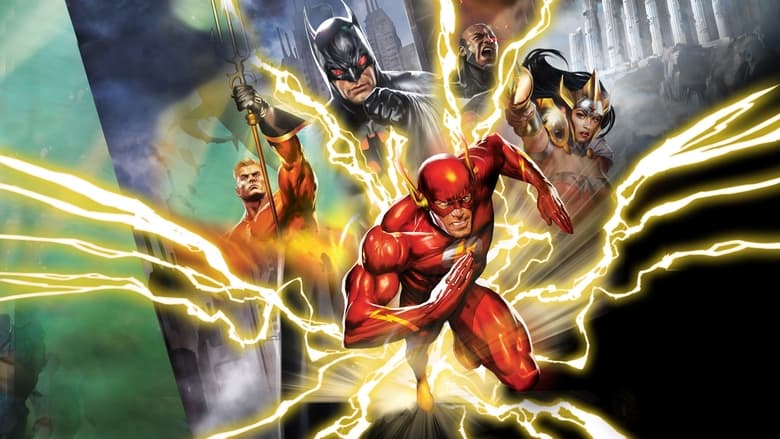
🎬 Justice League: The Flashpoint Paradox (2013)
Part of DC Universe Animated Original Movies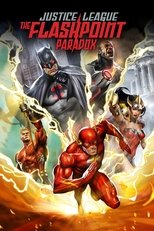
Justice League: The Flashpoint Paradox stands as a landmark entry in DC's animated canon, not just for its brutal, unflinching adaptation of Geoff Johns's seismic comic event, but for launching an entire interconnected animated universe. Director Jay Oliva masterfully translates the core emotional wound of the story—Barry Allen's desperate desire to save his mother—into a propulsive, R-rated animated thriller. The film wastes no time establishing its twisted world, where the murder of a child Bruce Wayne creates a vacuum filled by his father Thomas, a grizzled, alcoholic Batman voiced with gravelly intensity by Kevin McKidd. This is a world where Aquaman and Wonder Woman are not heroes but warring monarchs whose personal betrayal has drowned millions, a far cry from their traditional portrayals and a shocking visual statement for a direct-to-video feature.
The adaptation makes several key changes to streamline the sprawling comic event for a tight 81-minute runtime. While the core mystery of the Reverse-Flash's manipulation remains, the film amps up the visceral action, delivering some of the most graphically violent sequences in DC animation history, including a chilling moment where Wonder Woman kills a young Billy Batson. The voice cast is a fascinating bridge between eras, featuring Justin Chambers as a suitably desperate Flash, C. Thomas Howell as a sneering Professor Zoom, and Kevin Conroy, the iconic voice of Batman, appearing briefly as the main timeline Bruce Wayne—a poignant nod to the legacy that this fractured reality has erased. The film also cleverly uses the character of Cyborg, voiced by Michael B. Jordan, as the audience's guide through this dystopia, elevating his role as the government's top hero trying to unite a broken world.
Upon its release in July 2013, the film was met with widespread acclaim for its mature storytelling and fidelity to the source material's spirit, even as it condensed or excised numerous subplots. Critics and fans praised its willingness to embrace the darkness of the premise without losing the emotional thread of Barry's journey. The animation style, with its thick lines and shadowy palette, perfectly captures the grim aesthetic of Andy Kubert's artwork. The movie's shocking violence and high body count served a narrative purpose, underlining the catastrophic cost of Barry's seemingly simple wish, and the final, heartbreaking act where Barry must let his mother die again to save the world remains one of the most powerful moments in superhero animation.
Beyond its own merits, The Flashpoint Paradox's legacy is monumental. It was retroactively designated as the first film in the DC Animated Movie Universe, a shared continuity that would span fifteen films and conclude with Justice League Dark: Apokolips War. The film's post-credit scene, hinting at an impending invasion from Apokolips, directly sets the stage for the next entry, Justice League: War. By successfully translating a continuity-redefining event into a standalone yet foundational film, it proved that animated features could handle complex, universe-altering narratives with the same gravitas as their live-action counterparts, setting a new standard for what DC's direct-to-video projects could achieve.
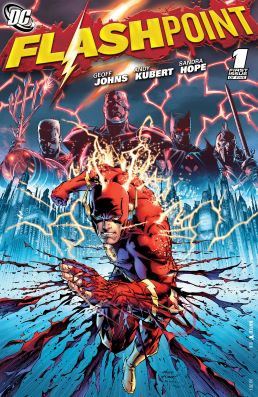
Flashpoint is a 2011 comic book crossover story arc published by DC Comics. Written by Geoff Johns and pencilled by Andy Kubert, the five-issue core miniseries upended the status quo of the DC Universe. The story begins when Barry Allen, the Flash, wakes up in a radically altered timeline where he has no powers, his mother is alive, and the world is on the brink of destruction due to a war between Aquaman's Atlantis and Wonder Woman's Amazons.
In this twisted reality, familiar heroes are drastically changed: Bruce Wayne died as a child, prompting his father Thomas to become a brutal, gun-wielding Batman; Superman is a frail, government-held captive; and the world lacks its greatest protectors. Barry must race to restore his powers and uncover the truth behind the altered timeline, a mystery that ties back to his own tragic past and the actions of his nemesis, the Reverse-Flash.
The event was a massive critical and commercial success, praised for its high-stakes storytelling, emotional core centered on Barry's relationship with his mother, and Andy Kubert's dynamic artwork. Flashpoint served as a bridge to DC's 'New 52' publishing initiative, with the final issue literally rebooting the entire DC Universe continuity. Its legacy endures as one of the most impactful and widely adapted Flash stories, fundamentally reshaping the character's mythology for a new generation.
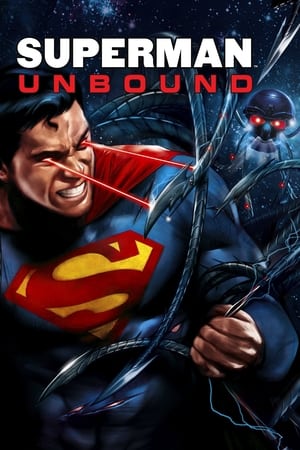
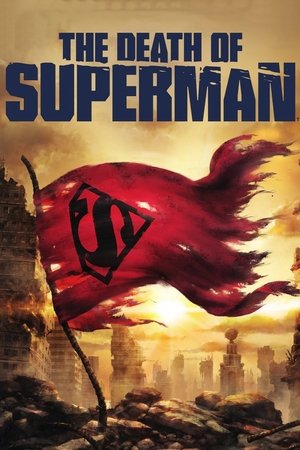
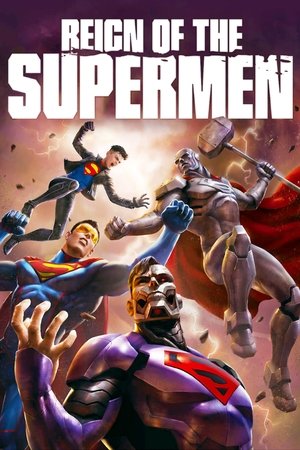
The Death of Superman is a pivotal comic book storyline and subsequent media collection centered on the demise and return of DC Comics' iconic hero. Originating in 1992 as a crossover event spanning multiple Superman titles, the narrative chronicles Superman's fatal battle with the unstoppable creature Doomsday, the global mourning that follows, and the emergence of four new characters—the Last Son of Krypton, Superboy, Steel, and the Cyborg Superman—each claiming to carry on his legacy. The story explores themes of heroism, sacrifice, and the irreplaceable nature of a true symbol, examining how a world copes when its greatest protector falls.
Beyond the original comics, the storyline has been adapted into various animated films, most notably within the DC Animated Movie Universe. These adaptations condense and reimagine the sprawling narrative, focusing on the emotional core of Superman's sacrifice and the subsequent power vacuum. The animated entries delve into the challenges faced by the new Supermen as they attempt to fill the void, while also highlighting the vulnerability of Earth in the absence of its champion. The collection showcases the enduring resonance of the Death of Superman mythos across different storytelling mediums.
Culturally, The Death of Superman became a landmark event in comic book history, generating unprecedented mainstream media attention and sales. It sparked debates about the commercial motivations behind major character deaths and influenced a wave of similar high-stakes storylines throughout the industry. The collection's legacy lies in its demonstration of how a single, shocking narrative beat can redefine a character's mythology and captivate a global audience, cementing the story as a touchstone for discussions about mortality and legacy within superhero fiction.
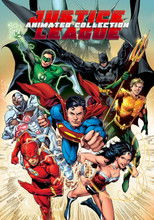
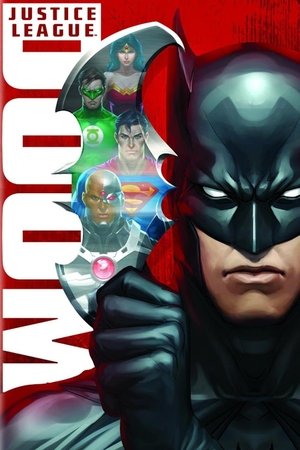
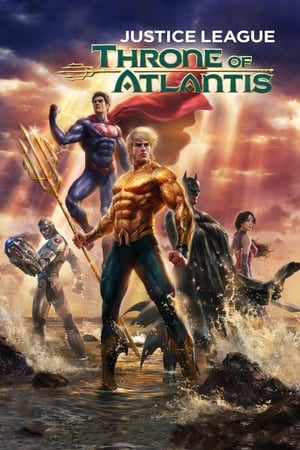
This animated collection adapts storylines from DC Comics' New 52 era, a 2011 publishing initiative that rebooted the DC Universe with streamlined origins and a modernized tone. The films draw directly from the early Justice League arcs written by Geoff Johns, translating the high-stakes action and interpersonal dynamics of the comic page into a series of direct-to-video features. By grounding its narratives in a specific, cohesive comic book run, the collection offers a focused entry point into the broader DC animated landscape.
The stories explore the formation of the Justice League against a backdrop of global threats, from the invasion of Darkseid to the political tensions between Atlantis and the surface world. A key theme is the transition from individual heroes to a unified team, highlighting the friction, trust-building, and shared sacrifice required to face existential dangers. The narrative also delves into the personal burdens of iconic characters, such as Cyborg's struggle with his new identity and Aquaman's divided loyalties.
As a trilogy of interconnected films, this collection helped solidify the practice of adapting specific comic book events into animated features with a consistent visual style and voice cast. It demonstrated that direct-to-video animation could capture the epic scale of superhero storytelling while maintaining fidelity to the source material, appealing to both dedicated comic readers and new audiences seeking accessible, action-driven narratives.