🎬 Batman: Gotham Knight (2008)
Part of DC Universe Animated Original Movies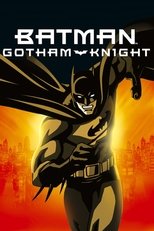
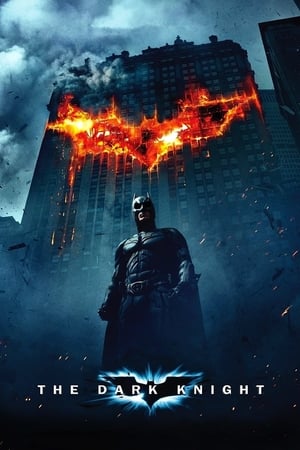
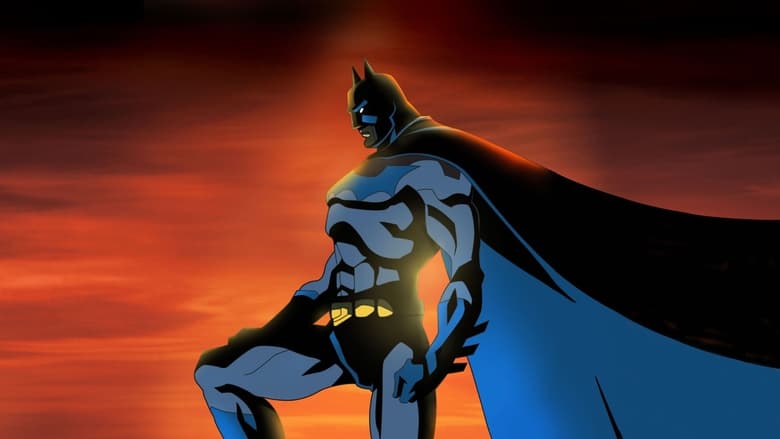
Batman: Gotham Knight is a 2008 animated anthology film that bridges the gap between Christopher Nolan's live-action films Batman Begins and The Dark Knight. Produced by Warner Bros. Animation and DC Comics, the project brought together several renowned Japanese animation studios—including Studio 4°C, Madhouse, Production I.G, and Bee Train—alongside South Korea's Dong Woo Animation to craft six distinct but interconnected segments. This international collaboration resulted in a stylistic homage to anime while remaining firmly rooted in the aesthetic and narrative world Nolan had established, leading some fans to nickname it 'The Batimatrix' in reference to the similarly structured Animatrix anthology.
The film explores Batman's early years as a crimefighter, delving into his evolving relationship with the Gotham City Police Department, his psychological struggles, and his encounters with both organized crime and the fear-inducing Scarecrow. Each segment showcases a different animation style and storytelling approach, from gritty street-level action to more introspective, almost surreal explorations of Bruce Wayne's psyche. The writing talent was equally impressive, with contributions from David S. Goyer, who co-wrote Batman Begins, alongside acclaimed comic writers Brian Azzarello and Greg Rucka.
As the third entry in the DC Universe Animated Original Movies line, Gotham Knight holds a unique place in Batman's screen history. It was the first DC animated feature to explicitly tie into a live-action film continuity, with Kevin Conroy—the legendary voice of Batman from the DC Animated Universe—returning to voice the character. The anthology format allowed for a creative freedom rarely seen in direct film tie-ins, making it a fascinating experiment in transmedia storytelling that honored both the character's comic book roots and his cinematic reinvention.
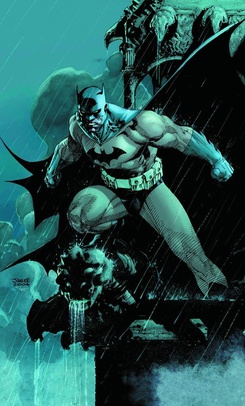
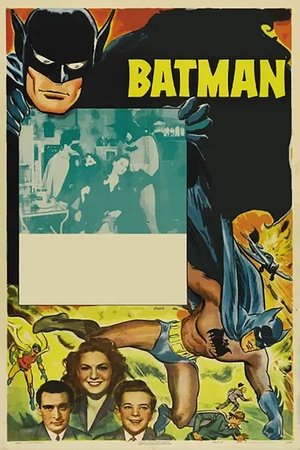
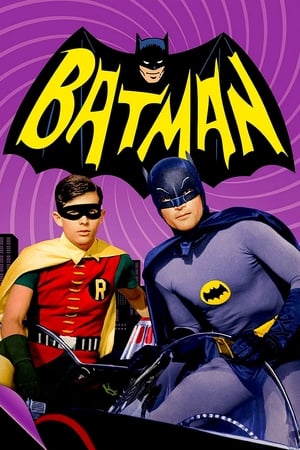
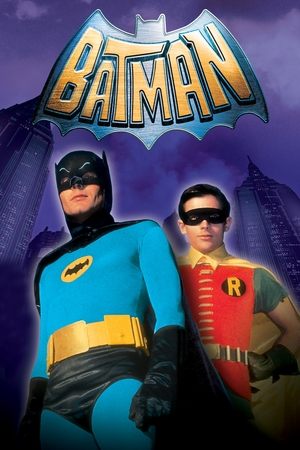
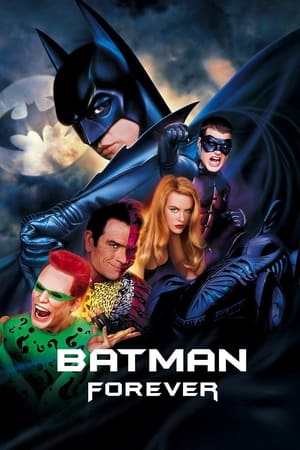
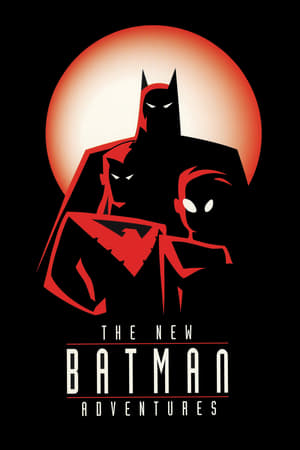
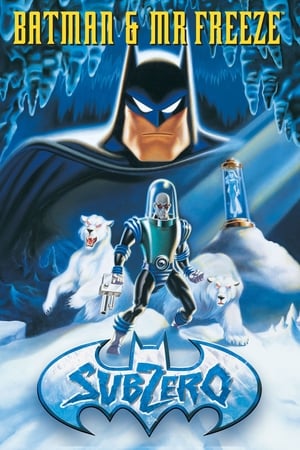
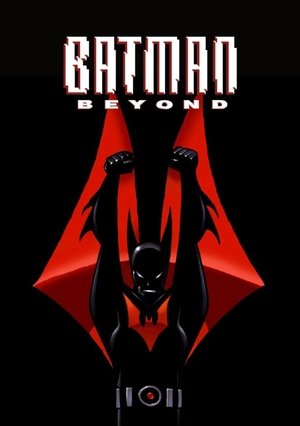
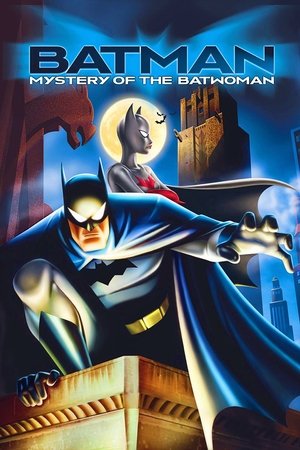
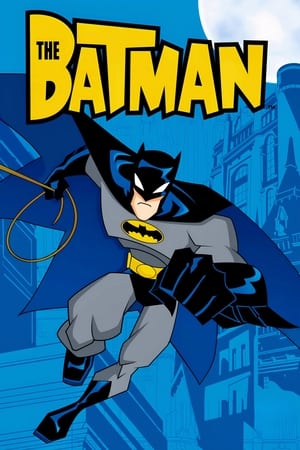
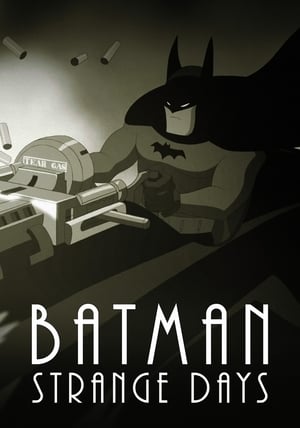
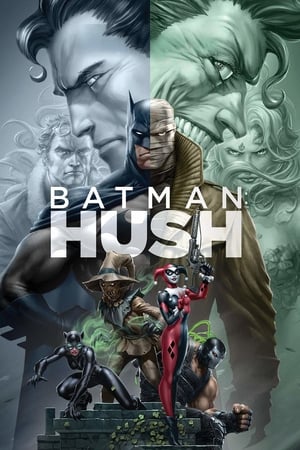
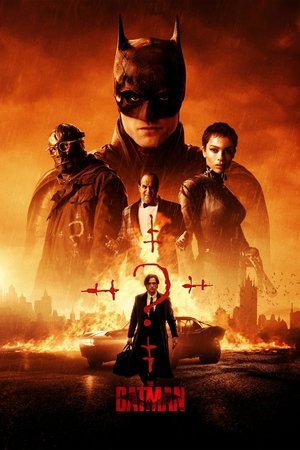
Batman is a fictional superhero created by artist Bob Kane and writer Bill Finger, first appearing in Detective Comics #27 in 1939. The character's secret identity is Bruce Wayne, a wealthy American playboy, philanthropist, and industrialist who resides in Gotham City. After witnessing the murder of his parents as a child, he swore revenge against criminals, an oath tempered by a sense of justice. Bruce Wayne trains himself physically and intellectually and crafts a bat-inspired persona to fight crime.
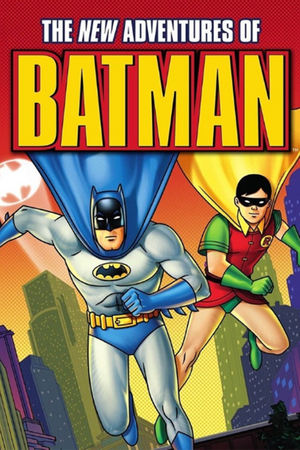
Unlike many superheroes, Batman possesses no superpowers; he relies on his genius intellect, physical prowess, martial arts abilities, detective skills, science and technology, vast wealth, intimidation, and indomitable will. A large ensemble cast of supporting characters includes his sidekick Robin, butler Alfred Pennyworth, and Police Commissioner James Gordon, as well as a rogues' gallery of villains including the Joker, Penguin, Harley Quinn, and Poison Ivy.
Batman quickly became one of DC Comics' most popular characters and has been adapted into numerous media, including film, television, animation, and video games. The character's dark, brooding nature and complex psychology have made him a cultural icon recognized worldwide, representing the archetype of the vigilante hero who operates outside the law to achieve justice.
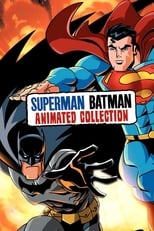
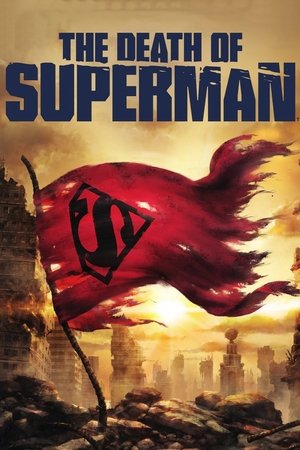
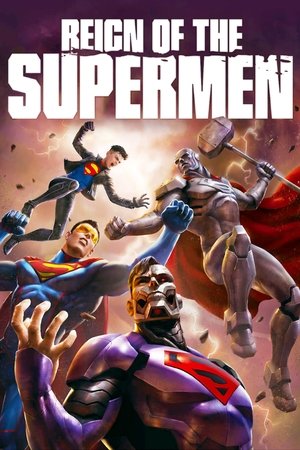
The Death of Superman is a pivotal comic book storyline and subsequent media collection centered on the demise and return of DC Comics' iconic hero. Originating in 1992 as a crossover event spanning multiple Superman titles, the narrative chronicles Superman's fatal battle with the unstoppable creature Doomsday, the global mourning that follows, and the emergence of four new characters—the Last Son of Krypton, Superboy, Steel, and the Cyborg Superman—each claiming to carry on his legacy. The story explores themes of heroism, sacrifice, and the irreplaceable nature of a true symbol, examining how a world copes when its greatest protector falls.
Beyond the original comics, the storyline has been adapted into various animated films, most notably within the DC Animated Movie Universe. These adaptations condense and reimagine the sprawling narrative, focusing on the emotional core of Superman's sacrifice and the subsequent power vacuum. The animated entries delve into the challenges faced by the new Supermen as they attempt to fill the void, while also highlighting the vulnerability of Earth in the absence of its champion. The collection showcases the enduring resonance of the Death of Superman mythos across different storytelling mediums.
Culturally, The Death of Superman became a landmark event in comic book history, generating unprecedented mainstream media attention and sales. It sparked debates about the commercial motivations behind major character deaths and influenced a wave of similar high-stakes storylines throughout the industry. The collection's legacy lies in its demonstration of how a single, shocking narrative beat can redefine a character's mythology and captivate a global audience, cementing the story as a touchstone for discussions about mortality and legacy within superhero fiction.