🎬 Superman/Batman: Public Enemies (2009)
Part of DC Universe Animated Original Movies
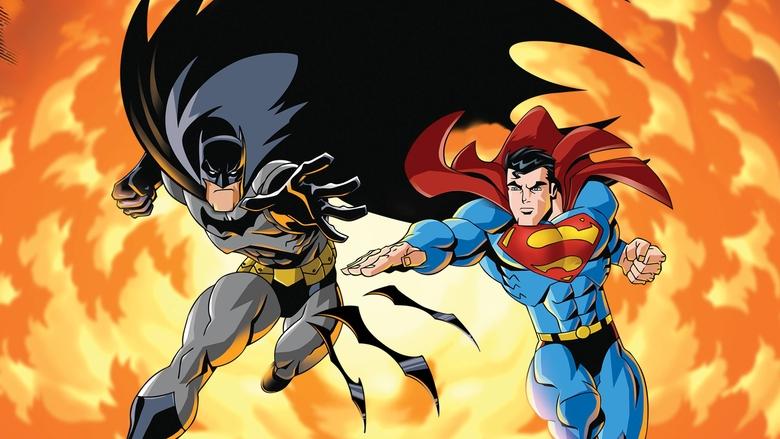
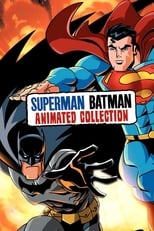
Superman/Batman: Public Enemies stands as a high-octane distillation of Jeph Loeb and Ed McGuinness's opening arc from the monthly series, trading the comic's signature dual-narrator internal monologues for the kinetic visual language of animation. Directed by Sam Liu, the 2009 film plunges directly into a world where Lex Luthor has leveraged a national depression to win the presidency, a premise that felt sharply satirical upon release. The adaptation wisely retains the core engine of the source material: a relentless, city-spanning manhunt that forces the Man of Steel and the Dark Knight into an uneasy alliance against a government that has branded them fugitives. While the comic's thought bubbles are replaced by terse, character-driven dialogue, the film captures the essential contrast between the two heroes—Superman's idealism clashing with Batman's paranoid pragmatism—as they fend off a gauntlet of fellow metahumans.
The film is perhaps most celebrated for its vocal cast, a deliberate reunion of the beloved DC Animated Universe talent. Tim Daly, Kevin Conroy, and Clancy Brown slip back into their iconic roles as Superman, Batman, and Lex Luthor with effortless chemistry, providing a nostalgic anchor for fans who grew up with their performances. This casting choice elevates the material, lending emotional weight to the heroes' partnership and a silky menace to Luthor's political machinations. The adaptation streamlines the comic's plot, focusing heavily on the physical confrontations—most notably a bruising, knockdown fight with Captain Atom and a memorable team-up against a monstrous, chemically-enhanced Metallo—while the overarching threat of a Kryptonite meteor adds a literal ticking clock to the narrative.
In translating Ed McGuinness's exaggerated, larger-than-life character designs, the animation adopts a clean, muscular aesthetic that emphasizes power and impact over subtlety. The film leans into the blockbuster spectacle of the source material, delivering a series of dynamic brawls that showcase the duo's complementary fighting styles. However, the adaptation does sacrifice some of the comic's quieter character moments and the full breadth of its political commentary for the sake of pacing. The internal conflict Superman feels about opposing a legally elected leader is present but muted, while Batman's role as the strategic counterweight to Superman's raw power remains the film's dramatic backbone.
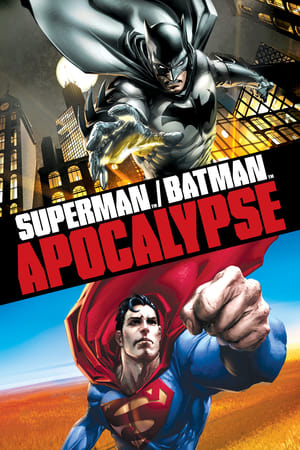
Upon its release, Superman/Batman: Public Enemies was met with generally positive reviews, praised for its brisk, action-packed narrative and the undeniable appeal of its central voice cast. It successfully launched the "Public Enemies" storyline into the DC Universe Animated Original Movies line, proving that the modern, more fractious dynamic between the World's Finest could anchor a compelling feature. The film's success directly paved the way for its sequel, Superman/Batman: Apocalypse, which would adapt the subsequent and equally famous "The Supergirl from Krypton" arc, cementing this specific animated interpretation as a fan-favorite chapter in DC's animated legacy.

Superman/Batman is a monthly American comic book series published by DC Comics that launched in August 2003. Written initially by Jeph Loeb with art by Ed McGuinness and later Michael Turner, the series revived the tradition of team-up stories between DC's two flagship heroes that had previously been the domain of World's Finest Comics. The series is notable for its dual-narrator technique, presenting the internal monologues of both Superman and Batman simultaneously, often revealing their contrasting perspectives on the same events.
The series explores the complex friendship and occasional rivalry between the Man of Steel and the Dark Knight. While earlier eras depicted them as close friends, the modern dynamic established in the 1980s introduced more tension and philosophical differences between the two heroes. Superman/Batman embraced this nuanced relationship, showing how their different approaches to justice complement each other despite their disagreements.
One of the most celebrated story arcs from the series is "The Supergirl from Krypton," which ran in issues #8-13. Written by Jeph Loeb and illustrated by the late Michael Turner, this storyline reintroduced Kara Zor-El, Superman's cousin, into DC Comics continuity after her character had been absent for nearly two decades. The arc features Batman's characteristic suspicion of the newly arrived Kryptonian, Darkseid's obsession with obtaining her as a new Female Fury, and Wonder Woman's mentorship of the young heroine.
The series ran for 87 issues before concluding in 2011, spanning multiple creative teams and story arcs that ranged from cosmic adventures to intimate character studies. Its legacy includes not only the reintroduction of Supergirl but also several animated film adaptations that brought its distinctive visual style and character dynamics to the screen.
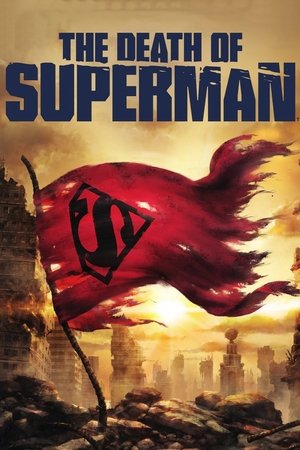
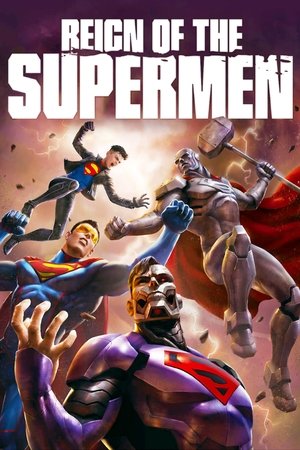
The Death of Superman is a pivotal comic book storyline and subsequent media collection centered on the demise and return of DC Comics' iconic hero. Originating in 1992 as a crossover event spanning multiple Superman titles, the narrative chronicles Superman's fatal battle with the unstoppable creature Doomsday, the global mourning that follows, and the emergence of four new characters—the Last Son of Krypton, Superboy, Steel, and the Cyborg Superman—each claiming to carry on his legacy. The story explores themes of heroism, sacrifice, and the irreplaceable nature of a true symbol, examining how a world copes when its greatest protector falls.
Beyond the original comics, the storyline has been adapted into various animated films, most notably within the DC Animated Movie Universe. These adaptations condense and reimagine the sprawling narrative, focusing on the emotional core of Superman's sacrifice and the subsequent power vacuum. The animated entries delve into the challenges faced by the new Supermen as they attempt to fill the void, while also highlighting the vulnerability of Earth in the absence of its champion. The collection showcases the enduring resonance of the Death of Superman mythos across different storytelling mediums.
Culturally, The Death of Superman became a landmark event in comic book history, generating unprecedented mainstream media attention and sales. It sparked debates about the commercial motivations behind major character deaths and influenced a wave of similar high-stakes storylines throughout the industry. The collection's legacy lies in its demonstration of how a single, shocking narrative beat can redefine a character's mythology and captivate a global audience, cementing the story as a touchstone for discussions about mortality and legacy within superhero fiction.