🎬 Batman: Gotham by Gaslight (2018)
Part of DC Universe Animated Original Movies
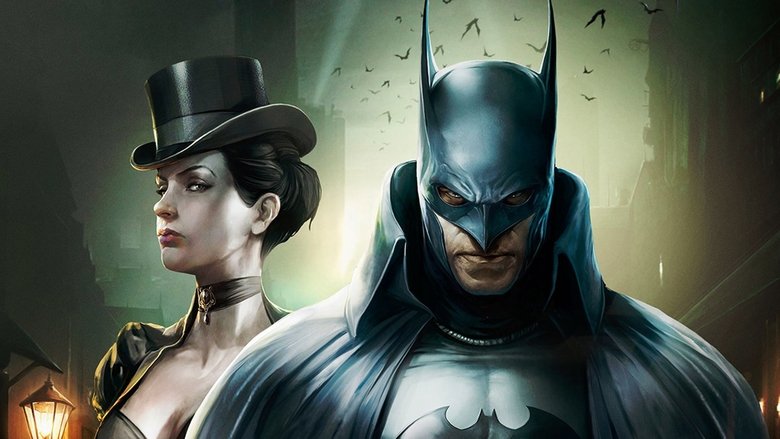
Batman: Gotham by Gaslight is a 2018 animated film adaptation of the groundbreaking 1989 DC Comics graphic novel of the same name. The original comic, written by Brian Augustyn with art by Mike Mignola, is historically significant as the first official Elseworlds story, a label DC would later use for tales that place their heroes outside of regular continuity. The premise transplants the Batman mythos to a fog-shrouded, gaslit Victorian Gotham, where a young Bruce Wayne returns from European travels to begin his war on crime, only to find himself hunting the infamous Jack the Ripper.
The animated film, directed by Sam Liu and featuring the voice talents of Bruce Greenwood as Batman and Jennifer Carpenter as Selina Kyle, takes the core concept of the comic but diverges significantly in its plot. While the graphic novel is a tight murder mystery focused squarely on Batman's pursuit of the Ripper, the film expands the narrative to include a broader cast of reimagined DC characters and introduces a more action-oriented structure. The adaptation incorporates elements from the comic's 1991 sequel, Batman: Master of the Future, and adds new twists to the identity of the killer, making it a loose rather than a strictly faithful translation.
The movie was well-received for its stylish steampunk aesthetic and its willingness to embrace the darker, more adult tone of the source material, earning an R rating for its violence and thematic content. It stands as a notable entry in DC's long-running series of direct-to-video animated features, demonstrating the enduring appeal of the Elseworlds concept and the flexibility of the Batman character to thrive in settings far removed from modern-day Gotham.

Gotham by Gaslight is a DC Comics graphic novel published in 1989, written by Brian Augustyn and illustrated by Mike Mignola, with inks by P. Craig Russell. It is widely recognized as the first official Elseworlds story, a DC imprint that places iconic superheroes in alternate historical settings and timelines, freeing creators from established continuity.
The story reimagines Bruce Wayne's Batman in the Victorian era of the late 19th century. Returning to Gotham City after studying abroad under Sigmund Freud, Wayne begins his vigilante career just as the city is gripped by fear of the infamous serial killer Jack the Ripper. The narrative blends superhero fiction with historical crime, pitting Batman's detective skills against one of history's most notorious murderers.
Upon its release, the graphic novel was praised for its atmospheric artwork, particularly Mignola's distinctive gothic style, and its clever fusion of the Batman mythos with a classic literary and historical villain. Its success established the Elseworlds concept, paving the way for numerous other alternate-reality tales featuring DC heroes. A sequel, Batman: Master of the Future, was published in 1991.
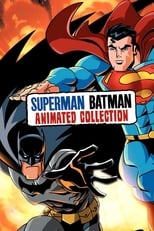
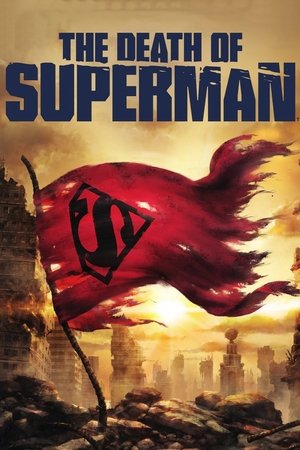
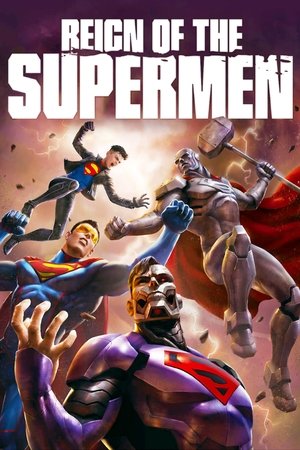
The Death of Superman is a pivotal comic book storyline and subsequent media collection centered on the demise and return of DC Comics' iconic hero. Originating in 1992 as a crossover event spanning multiple Superman titles, the narrative chronicles Superman's fatal battle with the unstoppable creature Doomsday, the global mourning that follows, and the emergence of four new characters—the Last Son of Krypton, Superboy, Steel, and the Cyborg Superman—each claiming to carry on his legacy. The story explores themes of heroism, sacrifice, and the irreplaceable nature of a true symbol, examining how a world copes when its greatest protector falls.
Beyond the original comics, the storyline has been adapted into various animated films, most notably within the DC Animated Movie Universe. These adaptations condense and reimagine the sprawling narrative, focusing on the emotional core of Superman's sacrifice and the subsequent power vacuum. The animated entries delve into the challenges faced by the new Supermen as they attempt to fill the void, while also highlighting the vulnerability of Earth in the absence of its champion. The collection showcases the enduring resonance of the Death of Superman mythos across different storytelling mediums.
Culturally, The Death of Superman became a landmark event in comic book history, generating unprecedented mainstream media attention and sales. It sparked debates about the commercial motivations behind major character deaths and influenced a wave of similar high-stakes storylines throughout the industry. The collection's legacy lies in its demonstration of how a single, shocking narrative beat can redefine a character's mythology and captivate a global audience, cementing the story as a touchstone for discussions about mortality and legacy within superhero fiction.