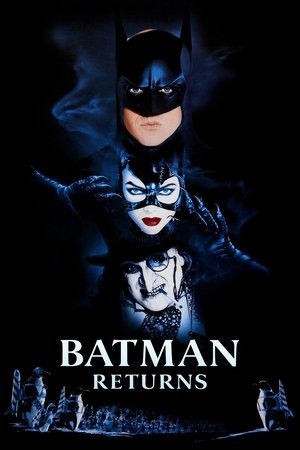
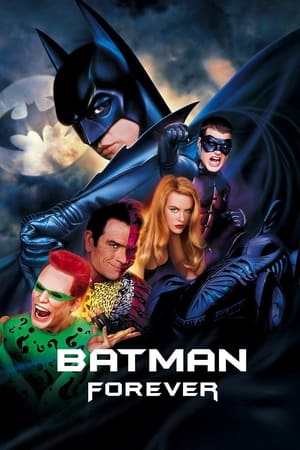
Batman (1989–1997)
Collection 🎬 Collection
The Batman film series from 1989 to 1997 represents Warner Bros.' foundational cinematic interpretation of the DC Comics character, marking a pivotal era in superhero filmmaking. Spanning four films, the series chronicles a dramatic tonal evolution, beginning with Tim Burton's darkly gothic vision and transitioning into Joel Schumacher's more flamboyant, camp-infused aesthetic. This collection not only redefined the caped crusader for a new generation but also demonstrated the immense commercial viability of comic book adaptations, setting the stage for the genre's future dominance. The series is unified by its exploration of duality, trauma, and the grotesque, though each installment interprets these themes through a distinctly different stylistic lens, from German Expressionist shadows to neon-lit excess. As a complete narrative arc, it traces Batman's journey from a solitary, vengeful figure to a more collaborative hero within a family of allies, before ultimately succumbing to the very campiness its first entry had so decisively rejected. The series' legacy is one of bold artistic swings and cautionary corporate pivots, leaving behind iconic character portrayals that continue to influence the Batman mythos.