📺 Superman: The Animated Series (1996)
Part of DC Animated Universe
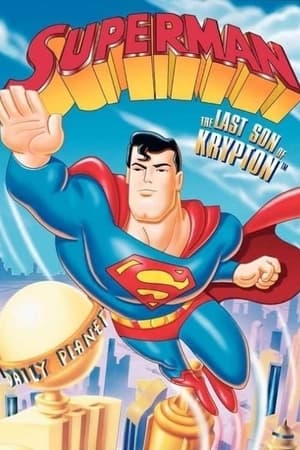
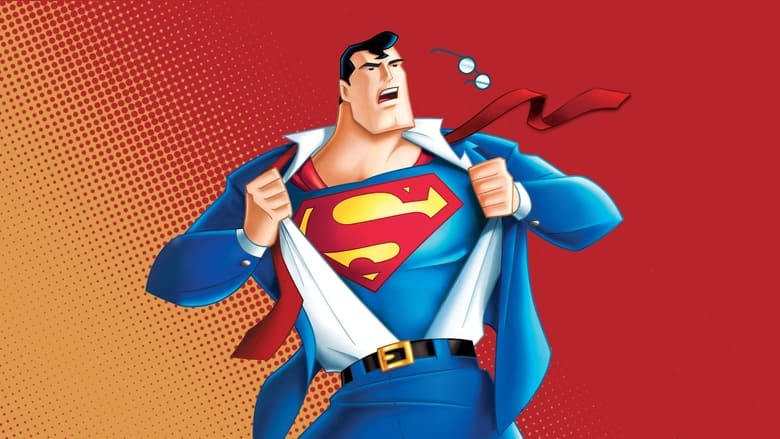
Superman: The Animated Series brought the Man of Steel to television screens in 1996, marking the second major entry in what would become known as the DC Animated Universe, following the critically adored Batman: The Animated Series. Produced by Warner Bros. Television Animation and airing on Kids' WB, the series ran for three seasons and 54 episodes, concluding in 2000. The creative team, including Bruce Timm and Paul Dini, approached the character with the same reverence and sophistication they had applied to Batman, resulting in a show that balanced epic superhero action with genuine emotional depth.
The series cleverly synthesized elements from across Superman's long comic book history. It drew heavily from John Byrne's influential 1986 post-Crisis on Infinite Earths reboot, which had redefined Superman with more restrained power levels and a stronger emphasis on his humanity. At the same time, the show paid homage to the Silver Age's more fantastical vision of Krypton, creating a version of the character that felt both modern and timeless. Voice actor Tim Daly delivered a definitive performance as Clark Kent and Superman, capturing both the character's quiet decency and his commanding heroic presence, while Clancy Brown's Lex Luthor became an instant fan-favorite for his cold, calculating menace.
Midway through its run, the series was paired with The New Batman Adventures to form The New Batman/Superman Adventures, cementing the shared universe that would later expand into Justice League and Justice League Unlimited. The show introduced key elements of the wider DC cosmos to the animated continuity, including Darkseid and the forces of Apokolips, and featured memorable crossovers with Batman and other heroes. Its legacy endures as one of the finest superhero animated series ever produced, a faithful yet fresh interpretation that honored Jerry Siegel and Joe Shuster's original 1938 creation while pushing the character into bold new territory.

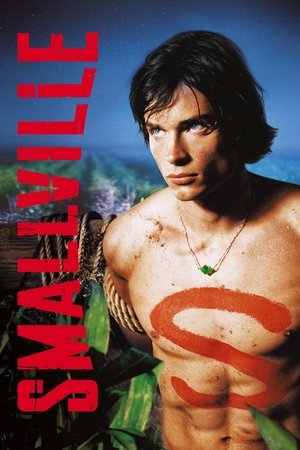
Superman is a superhero created by writer Jerry Siegel and artist Joe Shuster, first appearing in Action Comics #1 in 1938. The character is an alien from the doomed planet Krypton, sent to Earth as an infant and raised as Clark Kent in Smallville, Kansas. Endowed with extraordinary powers under Earth's yellow sun—including superhuman strength, flight, invulnerability, and heat vision—he adopts the secret identity of Superman to protect humanity while working as a mild-mannered reporter for the Daily Planet in Metropolis.
The character quickly became a cultural phenomenon, launching the entire superhero genre and establishing many of its core tropes: the secret identity, the colorful costume, the archnemesis, and the struggle to balance power with moral responsibility. Superman's iconic supporting cast includes love interest Lois Lane, photographer Jimmy Olsen, and editor Perry White, while his rogues' gallery features the criminal genius Lex Luthor, the fifth-dimensional imp Mister Mxyzptlk, and the monstrous Doomsday.
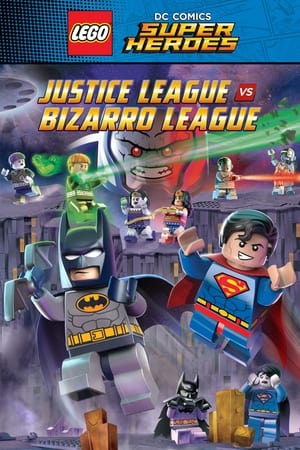
Among Superman's most enduring and peculiar antagonists is Bizarro, an imperfect duplicate of the Man of Steel created through failed cloning experiments or reality-warping accidents. Bizarro possesses all of Superman's powers but applies them with childlike, backwards logic—often causing destruction while genuinely trying to help. He speaks in reversed grammar, lives on the cube-shaped Bizarro World, and is beloved by fans as both a tragic figure and a source of absurdist comedy. Bizarro first appeared in Superboy #68 in 1958 and has remained a staple of DC Comics ever since.
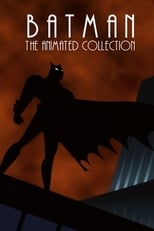
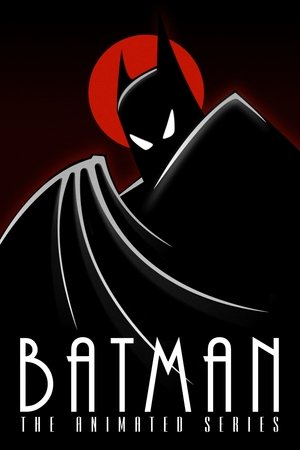
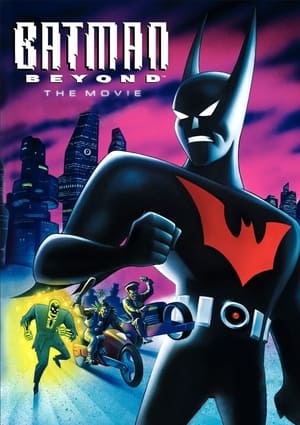
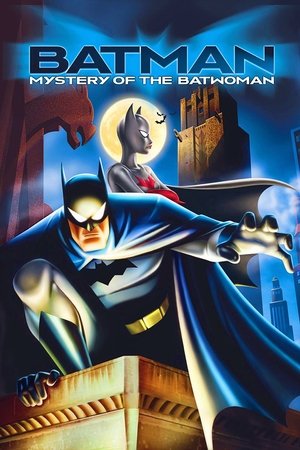
The DC Animated Universe (DCAU) is a groundbreaking shared continuity that redefined superhero animation, beginning with the noir-infused debut of Batman: The Animated Series in 1992 and expanding across multiple series and films over more than two decades. Created primarily by Bruce Timm and Paul Dini, the universe established a cohesive world where characters migrated fluidly between shows, culminating in the assembly of the Justice League as a team and the passing of the torch to a new generation in Batman Beyond.
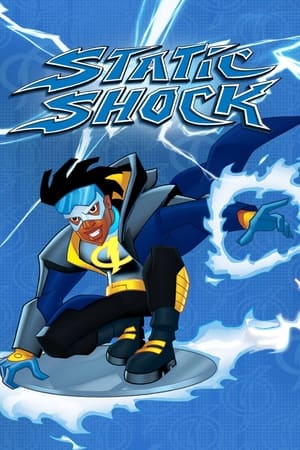
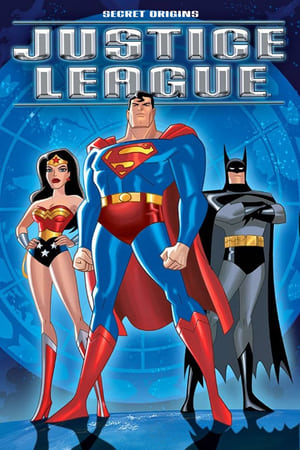
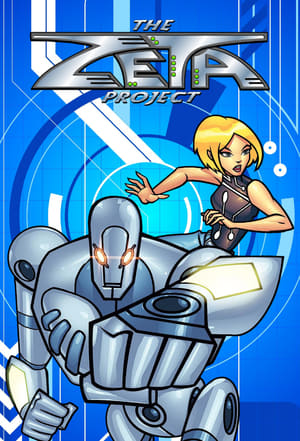
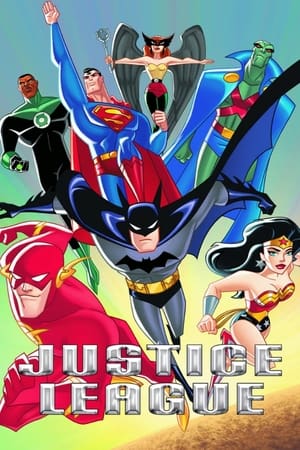
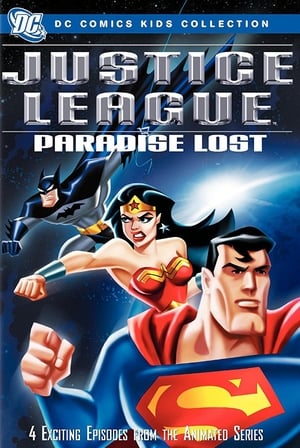
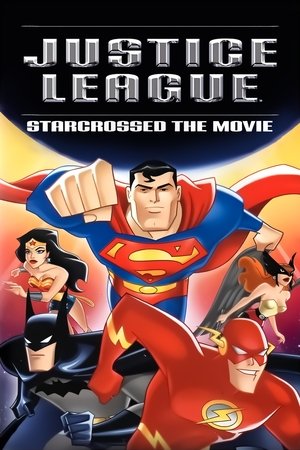
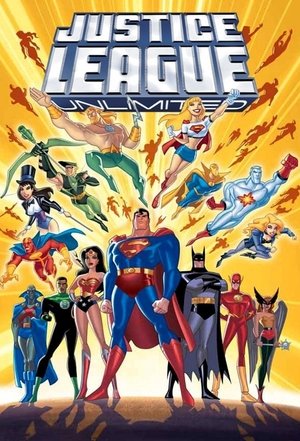
What set the DCAU apart was its refusal to talk down to its audience. Episodes tackled grief, addiction, political corruption, and the moral compromises of heroism with a sophistication rarely seen in Western animation. Superman: The Animated Series brought optimism and warmth, Static Shock introduced a younger and more diverse perspective, and The Zeta Project explored gentler territory within the same world. Justice League and its continuation Justice League Unlimited delivered sprawling multi-episode arcs that felt like annual comic book events come to life, weaving dozens of DC characters into an unprecedented serialized narrative.
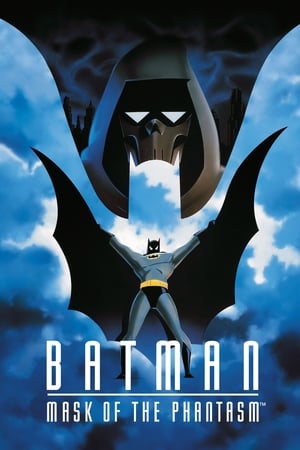
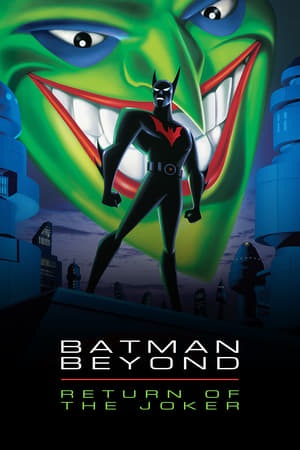
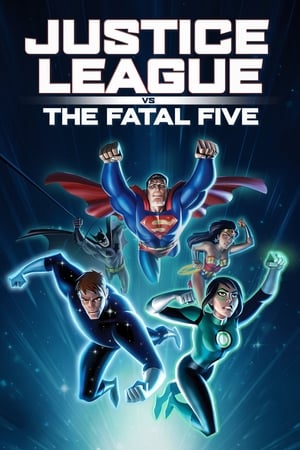
The universe's films extended its storytelling into cinematic territory, from the theatrical elegance of Batman: Mask of the Phantasm—widely regarded as one of the greatest Batman films ever made—to the dark psychological depths of Batman Beyond: Return of the Joker. Later entries such as Justice League vs. the Fatal Five (2019) demonstrated the DCAU's enduring legacy, bridging classic characters with new heroes more than a decade after the core series concluded.
The DC Animated Universe is a shared continuity of animated television series and films based on characters from DC Comics. It was launched in the early 1990s under the creative guidance of producer and artist Bruce Timm, whose distinctive visual style and storytelling approach set a new standard for superhero animation. The series within this universe are noted for their mature themes, complex character development, and serialized storytelling, often blending noir aesthetics with modern action.
From its inception, the universe redefined the animated adaptation of comic book heroes, introducing a generation to darker, more psychologically rich narratives. The interconnected stories allowed characters to grow and relationships to evolve across multiple shows, creating an expansive and cohesive fictional world. Recurring voice actors and a consistent artistic vision further unified the projects, lending a sense of continuity rarely seen in television animation at the time.
The universe became known for addressing social issues, moral ambiguity, and the human cost of heroism, elevating the material beyond simple children's entertainment. It earned critical acclaim and a dedicated fanbase that followed the continuity from its first series to its later, more epic ensemble stories. Its influence extended beyond television, impacting subsequent DC animated films, video games, and even live-action portrayals of the characters.
The legacy of this shared universe is enduring; it is often hailed as one of the finest achievements in superhero animation. Its approach to serialized, character-driven storytelling laid the groundwork for many animated projects that followed, and its versions of iconic heroes remain definitive for many fans.