🎬 Superman (1978)
Part of Superman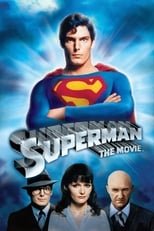
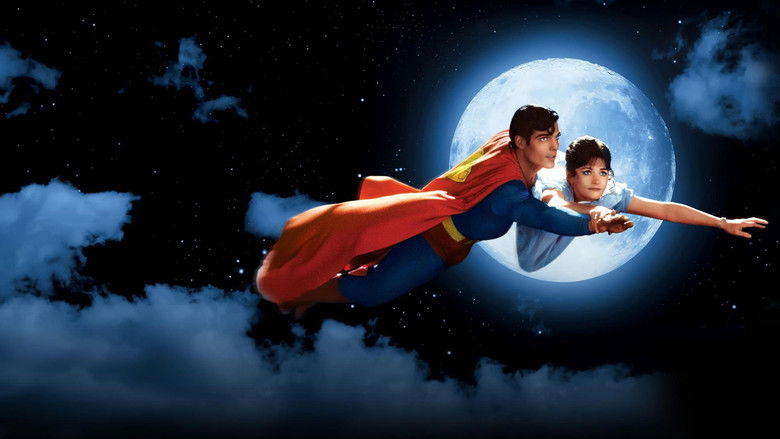
Superman: The Movie, released in 1978, was a landmark achievement in superhero cinema and the first major big-budget feature film based on a DC Comics character. Directed by Richard Donner and produced by Ilya and Alexander Salkind, the film treated the source material with unprecedented reverence, famously marketing itself with the tagline 'You'll believe a man can fly.' The screenplay, credited to Mario Puzo, David Newman, Leslie Newman, and Robert Benton, with a significant uncredited rewrite by Tom Mankiewicz, drew heavily from the character's origin story first established in Jerry Siegel and Joe Shuster's 1938 comics and expanded in later decades.
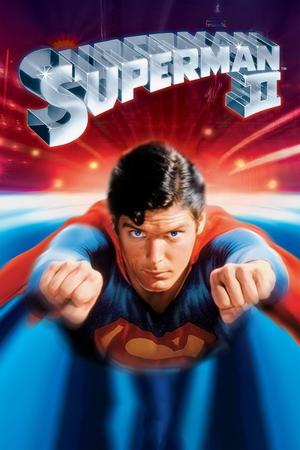
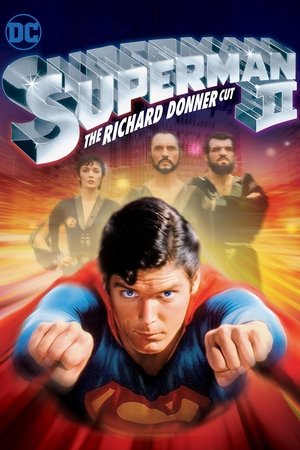
The film made the bold decision to cast an unknown actor, Christopher Reeve, in the title role, surrounding him with heavyweight talent including Marlon Brando as Jor-El and Gene Hackman as Lex Luthor. Brando's casting was particularly notable — he received top billing and a then-record salary for what amounted to a relatively brief appearance, lending gravitas to the Krypton sequences. The film was shot concurrently with its sequel, Superman II, a risky and ultimately troubled production strategy that led to Richard Donner being replaced on the sequel by Richard Lester. John Williams' soaring orchestral score became instantly iconic, its main theme synonymous with the character for generations.
Superman: The Movie was a critical and commercial triumph, earning three Academy Award nominations and winning a Special Achievement Award for its groundbreaking visual effects. It established the template for the modern superhero blockbuster and proved that comic book properties could be taken seriously as mainstream entertainment. The film spawned three direct sequels starring Reeve, though none matched the original's cultural impact. Its influence can be seen in every superhero film that followed, from Tim Burton's Batman to the Marvel Cinematic Universe.

Superman is a fictional superhero created by writer Jerry Siegel and artist Joe Shuster. He first appeared in Action Comics #1, published by DC Comics (then National Allied Publications) in April 1938, with a cover date of June 1938. The character was an instant success and is widely credited with launching the superhero genre and the Golden Age of Comic Books.
Born on the doomed planet Krypton, the infant Kal-El is sent to Earth by his scientist father Jor-El, where he is found and adopted by Jonathan and Martha Kent. Raised as Clark Kent in Smallville, Kansas, he discovers he possesses extraordinary powers under Earth's yellow sun, including superhuman strength, speed, flight, invulnerability, and X-ray vision. As an adult, he moves to Metropolis and adopts the dual identity of mild-mannered reporter Clark Kent and the costumed hero Superman, dedicating his life to protecting humanity.
Superman's iconic status has made him one of the most recognizable and influential fictional characters in the world. His symbol, the S-shield, and his red-and-blue costume have become cultural touchstones. The character's mythology has been expanded over decades through thousands of comic books, introducing a vast supporting cast including Lois Lane, Jimmy Olsen, Perry White, and arch-nemesis Lex Luthor, as well as concepts like the Fortress of Solitude and the bottled city of Kandor.
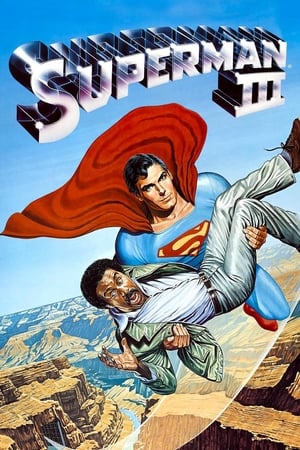
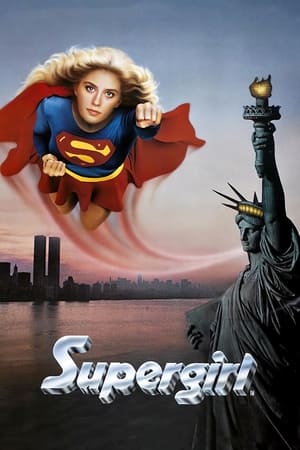
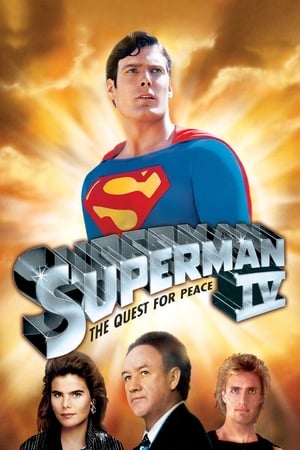
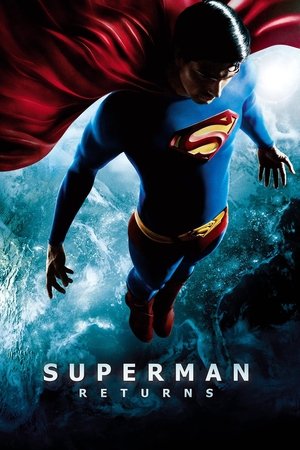
The Superman film collection encompasses a series of theatrical motion pictures based on the iconic DC Comics superhero created by Jerry Siegel and Joe Shuster. Beginning with the landmark 1978 film directed by Richard Donner, the collection established the template for the modern superhero blockbuster, blending mythic grandeur with heartfelt human drama. Christopher Reeve's portrayal of the Man of Steel became definitive, capturing both the character's otherworldly power and his gentle, earnest humanity. The initial films, particularly the first two, are celebrated for their pioneering special effects, John Williams' majestic score, and a tone that balanced epic adventure with romantic comedy. The collection expanded to include a spin-off focusing on Superman's Kryptonian cousin, Supergirl, and later sequels that saw diminishing returns and a shift toward campier, less critically successful entries. After a long hiatus, the character returned to cinemas in 2006 with a nostalgic homage that served as a direct sequel to the earlier Donner films, bypassing the later sequels. The collection is set to be reinvented again with a new film in 2025, launching a fresh cinematic universe for DC characters. Across its history, the Superman film collection has grappled with the central challenge of portraying a near-invincible hero, exploring themes of identity, belonging, and the immigrant experience, while its varying critical and commercial fortunes reflect the evolving tastes of audiences and the difficulties of adapting such an enduring cultural icon.