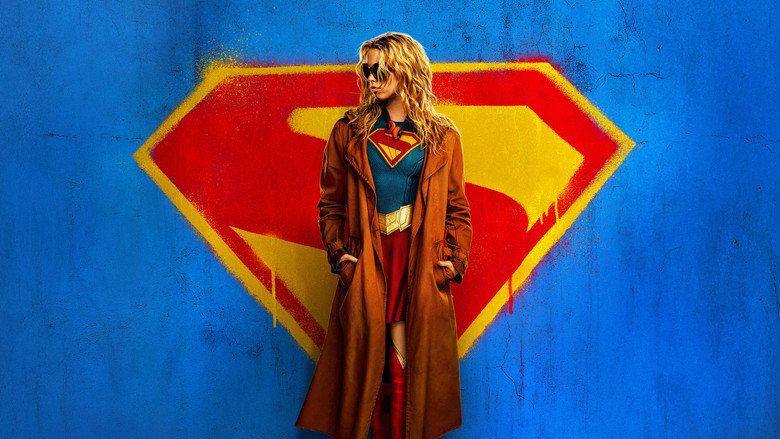
🎬 Supergirl (2026)
Part of Superman
Supergirl is a 2026 American superhero film directed by Craig Gillespie, based on the acclaimed DC Comics miniseries Supergirl: Woman of Tomorrow by Tom King and Bilquis Evely. The film is part of the new DC Universe (DCU) spearheaded by James Gunn and Peter Safran, serving as a direct follow-up to 2025's Superman, where Milly Alcock's Kara Zor-El is expected to make her first appearance. Alcock stars as the titular hero, joined by Matthias Schoenaerts as the villain Krem of the Yellow Hills, Eve Ridley as Ruthye Marye Knoll, and David Krumholtz as Zor-El.
The source material, published between 2021 and 2022 under DC's Black Label imprint, is a space Western that follows Supergirl on a brutal quest for revenge alongside a young alien girl whose father was murdered. The comic was praised for its mature, lyrical tone and stunning visuals, presenting Kara as a traumatized survivor of Krypton's destruction rather than the cheerful counterpart to her cousin. Ana Nogueira adapted the story for the screen, with filming taking place at Warner Bros. Studios Leavesden and on location in England and Scotland from January to May 2025.
This marks the first standalone Supergirl film since the ill-fated 1984 version starring Helen Slater, and the character's first big-screen solo outing in over four decades. The project originally began development as a DCEU film with Sasha Calle, who portrayed Supergirl in 2023's The Flash, but was reimagined entirely when Gunn and Safran took over DC Studios. The choice to adapt Woman of Tomorrow signals a bold new direction for the character, one that leans into cosmic adventure and emotional depth rather than straightforward superheroics.

Supergirl: Woman of Tomorrow is an eight-issue comic book limited series published by DC Comics, written by Tom King with art by Bilquis Evely and colors by Mat Lopes. It launched in June 2021 under DC’s Infinite Frontier banner and concluded in February 2022. The story centers on Kara Zor-El, Superman’s cousin, who is depicted as a world-weary and emotionally scarred hero, far from the sunny optimism often associated with the character. After a chance encounter on a distant planet, she finds herself bound to a fierce young alien girl named Ruthye Marye Knoll, whose father was murdered by the ruthless assassin Krem of the Yellow Hills. Accompanied by Krypto the Superdog, Supergirl embarks on a sprawling interstellar quest to bring Krem to justice, a journey that tests her ideals and forces her to confront her own buried traumas.
Narrated entirely from Ruthye’s perspective, the series deliberately echoes the structure and tone of Charles Portis’s classic Western novel True Grit, transposing its themes of revenge, mentorship, and moral ambiguity into a cosmic superhero framework. King’s script leans into lyrical, almost mythic prose, while Evely’s lush, detailed artwork—infused with vibrant, painterly colors by Lopes—gives the alien worlds a sense of grandeur and melancholy. The miniseries explores the cost of violence, the nature of heroism, and the bond between two damaged souls seeking closure, all while redefining Supergirl as a figure of tragic strength rather than simply Superman’s younger counterpart.
Upon release, the series was met with widespread critical acclaim, with particular praise for its emotional resonance, visual splendor, and bold reinvention of a classic DC icon. It was nominated for the 2022 Eisner Award for Best Limited Series and quickly became a fan favorite, sparking renewed interest in the character. The collected edition became a bestseller, and the story’s impact has been credited with elevating Supergirl’s profile in the modern DC pantheon, marking it as one of the most celebrated Supergirl narratives in the character’s decades-long history.

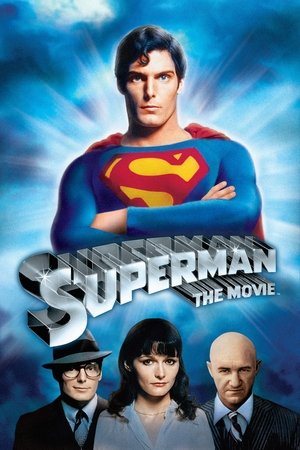
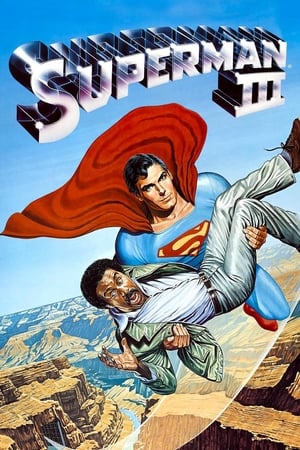
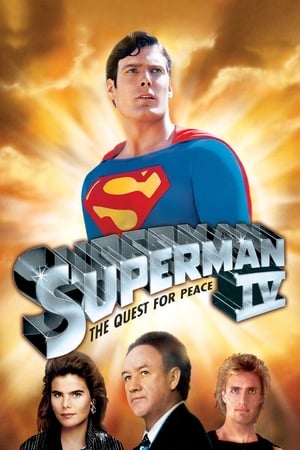
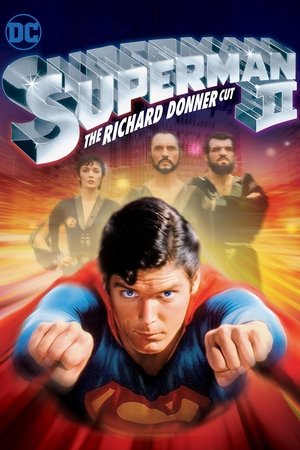
The Superman film collection encompasses a series of theatrical motion pictures based on the iconic DC Comics superhero created by Jerry Siegel and Joe Shuster. Beginning with the landmark 1978 film directed by Richard Donner, the collection established the template for the modern superhero blockbuster, blending mythic grandeur with heartfelt human drama. Christopher Reeve's portrayal of the Man of Steel became definitive, capturing both the character's otherworldly power and his gentle, earnest humanity. The initial films, particularly the first two, are celebrated for their pioneering special effects, John Williams' majestic score, and a tone that balanced epic adventure with romantic comedy. The collection expanded to include a spin-off focusing on Superman's Kryptonian cousin, Supergirl, and later sequels that saw diminishing returns and a shift toward campier, less critically successful entries. After a long hiatus, the character returned to cinemas in 2006 with a nostalgic homage that served as a direct sequel to the earlier Donner films, bypassing the later sequels. The collection is set to be reinvented again with a new film in 2025, launching a fresh cinematic universe for DC characters. Across its history, the Superman film collection has grappled with the central challenge of portraying a near-invincible hero, exploring themes of identity, belonging, and the immigrant experience, while its varying critical and commercial fortunes reflect the evolving tastes of audiences and the difficulties of adapting such an enduring cultural icon.