📺 Supergirl (2015)
Part of Arrowverse
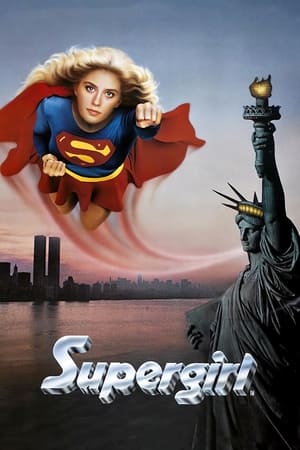
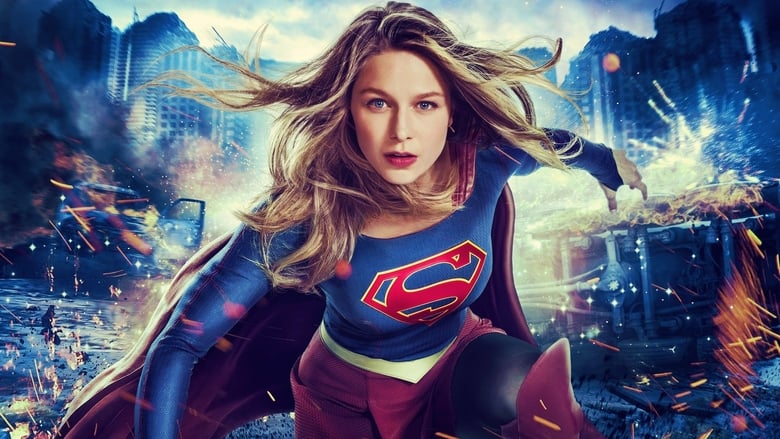
The 2015 television series Supergirl brings DC Comics' beloved Kryptonian heroine to life in a modern, character-driven drama developed by Ali Adler, Greg Berlanti, and Andrew Kreisberg. Melissa Benoist stars as Kara Zor-El, Superman's cousin, who after years of hiding her powers decides to embrace her destiny as National City's protector. The series originally premiered on CBS before moving to The CW for its second season, where it was retroactively woven into the larger Arrowverse alongside shows like The Flash, Arrow, and DC's Legends of Tomorrow.
The show draws its core premise from the original Supergirl comic book character created by Otto Binder and Al Plastino, who first appeared in Action Comics #252 in 1959. While the series modernizes Kara's story—making her a young professional navigating career, friendship, and romance alongside superheroics—it retains the essential elements of the source material: her Kryptonian heritage, her relationship with her famous cousin, and her struggle to forge her own identity outside of Superman's shadow. The show also incorporates a rich supporting cast of DC characters, including Martian Manhunter, Alex Danvers, and a reimagined Jimmy Olsen.
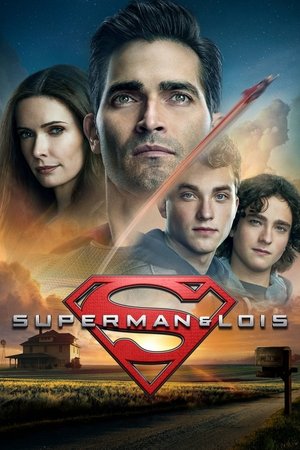
Over its six-season run, Supergirl tackled themes of immigration, identity, and social justice, often using its alien metaphor to comment on real-world issues. The series was praised for its optimistic tone and Benoist's charismatic lead performance, earning a Critics' Choice Television Award for Most Exciting New Series in 2015. Though it occasionally drew criticism for its handling of political themes, the show built a passionate fanbase and became a cornerstone of The CW's superhero lineup, paving the way for a planned spin-off, Superman & Lois, which ultimately evolved into its own standalone continuity.

Supergirl is the name of a superheroine appearing in American comic books published by DC Comics. The original and most iconic Supergirl is Kara Zor-El, the cousin of Superman. Created by writer Otto Binder and artist Al Plastino, she made her debut in Action Comics #252 in May 1959. Conceived as a female counterpart to the Man of Steel, Kara Zor-El was sent to Earth from the doomed planet Krypton to protect her infant cousin Kal-El, but her rocket was knocked off course, causing her to arrive years later as a teenager.
Like Superman, Supergirl possesses a vast array of superhuman abilities under Earth's yellow sun, including flight, super strength, speed, heat vision, and invulnerability, with Kryptonite as her primary weakness. Over the decades, the character evolved from a supporting player in Superman's stories to a headlining hero in her own right, starring in Adventure Comics and multiple self-titled series. Her civilian identity, Linda Lee Danvers, allowed her to navigate life on Earth while secretly protecting National City and the world.
The mantle of Supergirl has been taken up by several other characters in DC Comics continuity, including Matrix, a protoplasmic shapeshifter from a pocket universe; Linda Danvers, who merged with Matrix; and Cir-El, a human briefly believed to be Superman's daughter. Despite these variations, Kara Zor-El remains the definitive version and has become a feminist icon in superhero fiction, representing strength, compassion, and resilience across generations of readers.
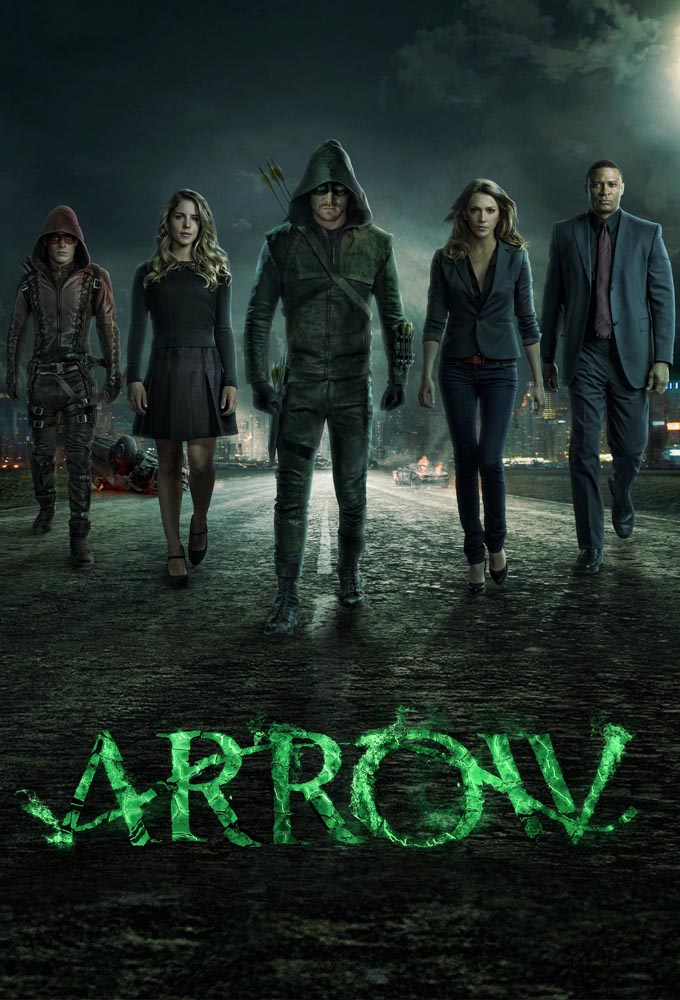
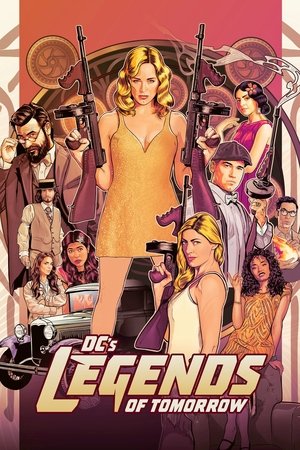
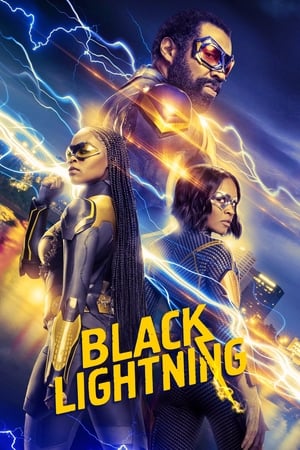
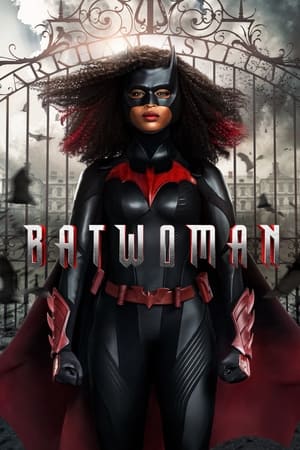
The Arrowverse is a shared universe of interconnected television series based on characters from DC Comics, primarily airing on The CW. It began with the premiere of Arrow in 2012, which introduced a grounded, gritty take on the Green Arrow mythos. The universe expanded significantly with the debut of The Flash in 2014, establishing a multiverse concept that allowed for crossovers and the integration of other DC properties. This interconnected storytelling model became a defining feature, with annual crossover events bringing together heroes from multiple shows to face larger threats. The Arrowverse is notable for its ambitious scope, weaving together narratives across numerous series including Supergirl, DC's Legends of Tomorrow, Batwoman, and Black Lightning, while also incorporating animated web series like Vixen and Freedom Fighters: The Ray. It embraced a wide tonal range, from the dark vigilantism of Arrow to the lighter, more hopeful adventures of The Flash and Supergirl. The franchise's central theme revolves around heroism, legacy, and found family, often exploring how ordinary individuals rise to become symbols of hope. Its cultural significance lies in its successful adaptation of comic book crossover events to television, creating a sprawling, fan-engaged universe that predated and influenced later shared universe models. The Arrowverse concluded its primary interconnected narrative with the crossover event 'Crisis on Infinite Earths' and the final seasons of its flagship shows, though its legacy continues through spin-offs and its impact on superhero television storytelling.