📺 Freedom Fighters: The Ray (2017)
Part of Arrowverse
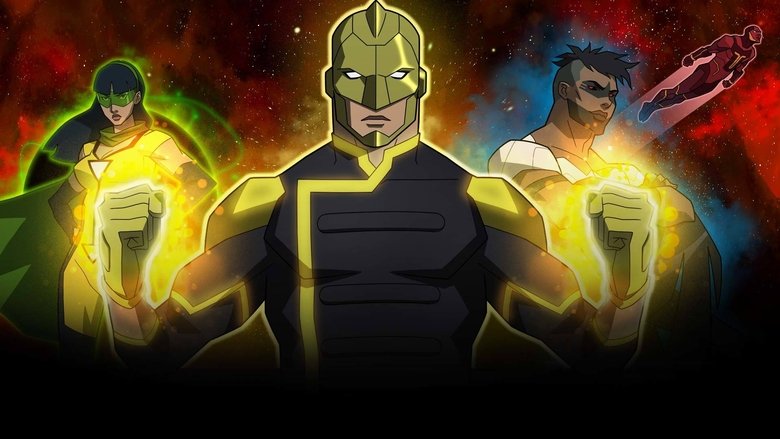
Freedom Fighters: The Ray is a 2017 animated web series that brings DC Comics' light-powered hero Ray Terrill into the Arrowverse, the shared television universe built around Arrow, The Flash, Supergirl, and Legends of Tomorrow. Developed by Greg Berlanti and Marc Guggenheim, the series premiered on The CW's streaming platform CW Seed and marked the first time the character headlined his own screen project. Russell Tovey voices Ray Terrill, a housing rights advocate who discovers a doppelgänger from the dystopian parallel world Earth-X, inheriting light-based powers that transform him into the superhero known as The Ray.
The series is notable for its dual-world setting, splitting its narrative between the familiar Earth-1 of the Arrowverse and the grim, Nazi-controlled Earth-X. On Earth-X, The Ray joins the Freedom Fighters — a resistance group battling the totalitarian New Reichsmen, which includes an evil alternate version of Supergirl called Overgirl (voiced by Melissa Benoist, reprising her role from the Crisis on Earth-X crossover). The show weaves together superhero action with political allegory, as Ray's day job as a public interest advocate mirrors his costumed fight against oppression.
Originally created by Jack C. Harris and Joe Quesada for DC Comics in 1992, the comic book Ray Terrill was the son of the Golden Age Ray and inherited his father's ability to manipulate light. The animated adaptation streamlines this backstory, making Ray an ordinary man who gains powers through a genetic light bomb and a transdimensional encounter. The series also incorporates other Freedom Fighters members like Black Condor and Phantom Lady, grounding the show in DC's deep bench of lesser-known but historically significant characters. Tovey's portrayal earned praise for bringing warmth and relatability to a hero who had previously existed only on the printed page.

The Ray is a superhero identity used by multiple characters in the DC Comics Universe, with the second and most prominent being Raymond C. "Ray" Terrill. Created by writer Jack C. Harris and artist Joe Quesada, Ray Terrill made his debut in The Ray #1 in February 1992. The character was introduced as the son of the original Golden Age Ray, Langford "Happy" Terrill, who had been a member of the Freedom Fighters.
Ray Terrill's origin story is rooted in a sheltered childhood. Raised believing that direct sunlight would kill him, he was dubbed "Night Boy" by the media. On his eighteenth birthday, he learned the truth from his dying father: he had inherited light-based powers, and his father had hidden him away to protect him from enemies. Embracing his heritage, Ray took on the mantle of The Ray, gaining the ability to absorb, store, and manipulate light energy for flight, hard-light constructs, and energy blasts.
The character was part of DC's early 1990s push to introduce legacy heroes who carried on the traditions of Golden Age characters. As a member of the modern Freedom Fighters, The Ray fought against oppression and tyranny, often squaring off against Nazi-themed villains. His powers and costume, which features a black bodysuit with a glowing yellow sunburst emblem, made him a visually distinctive presence in the DC Universe. Though never an A-list hero, The Ray developed a cult following and appeared in various team books and crossover events over the decades.
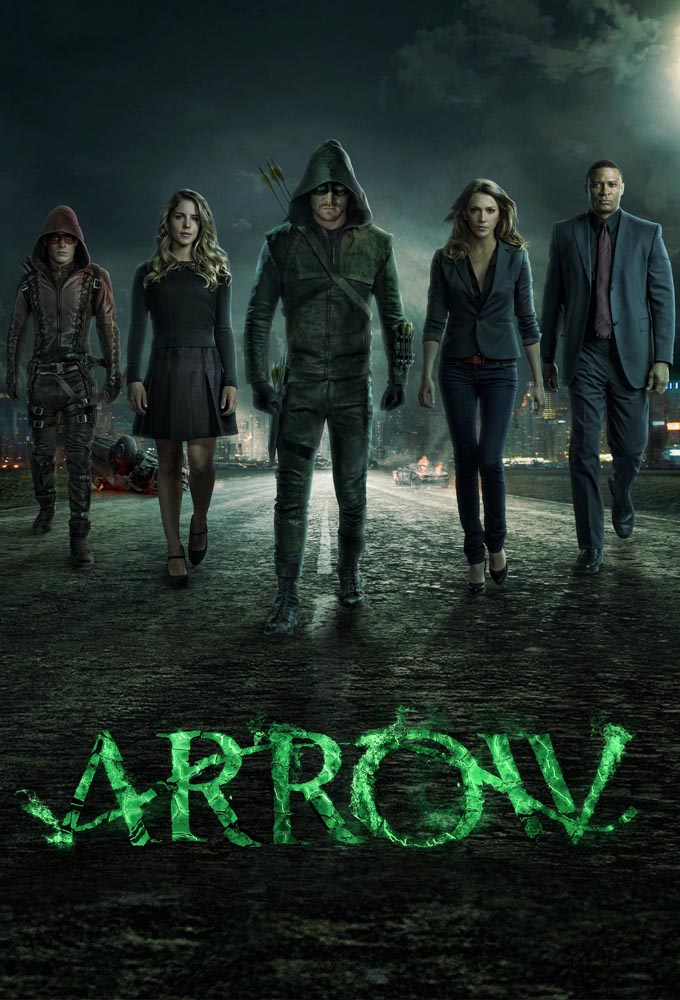
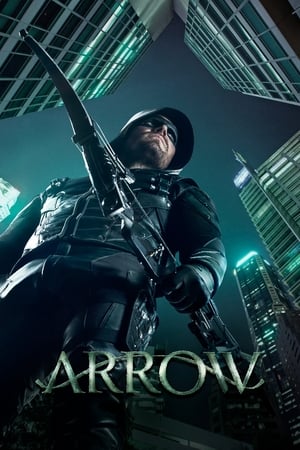
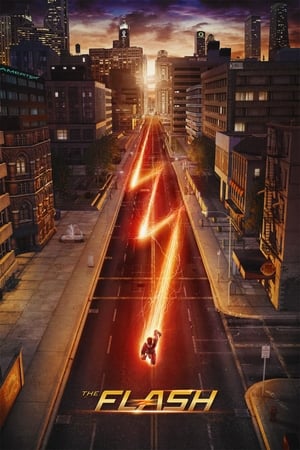
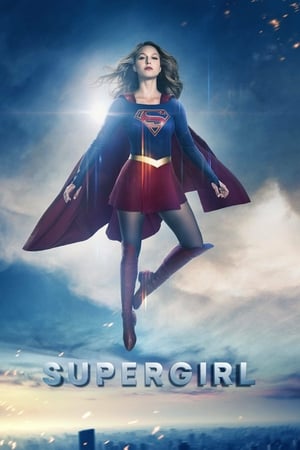
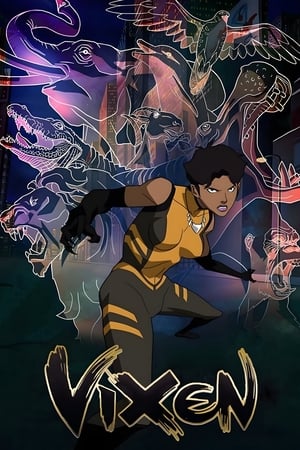
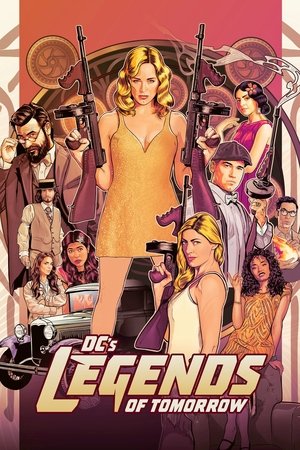
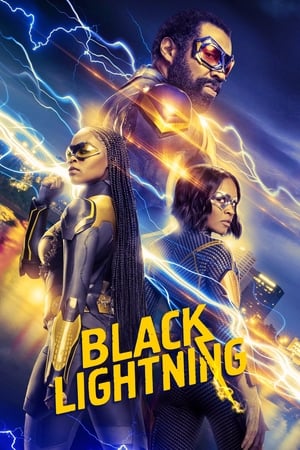
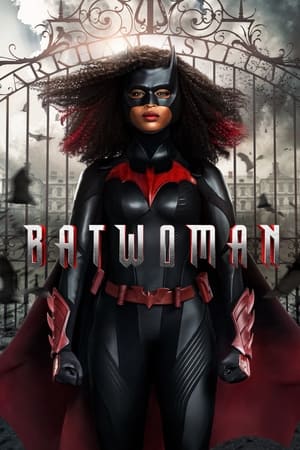
The Arrowverse is a shared universe of interconnected television series based on characters from DC Comics, primarily airing on The CW. It began with the premiere of Arrow in 2012, which introduced a grounded, gritty take on the Green Arrow mythos. The universe expanded significantly with the debut of The Flash in 2014, establishing a multiverse concept that allowed for crossovers and the integration of other DC properties. This interconnected storytelling model became a defining feature, with annual crossover events bringing together heroes from multiple shows to face larger threats. The Arrowverse is notable for its ambitious scope, weaving together narratives across numerous series including Supergirl, DC's Legends of Tomorrow, Batwoman, and Black Lightning, while also incorporating animated web series like Vixen and Freedom Fighters: The Ray. It embraced a wide tonal range, from the dark vigilantism of Arrow to the lighter, more hopeful adventures of The Flash and Supergirl. The franchise's central theme revolves around heroism, legacy, and found family, often exploring how ordinary individuals rise to become symbols of hope. Its cultural significance lies in its successful adaptation of comic book crossover events to television, creating a sprawling, fan-engaged universe that predated and influenced later shared universe models. The Arrowverse concluded its primary interconnected narrative with the crossover event 'Crisis on Infinite Earths' and the final seasons of its flagship shows, though its legacy continues through spin-offs and its impact on superhero television storytelling.