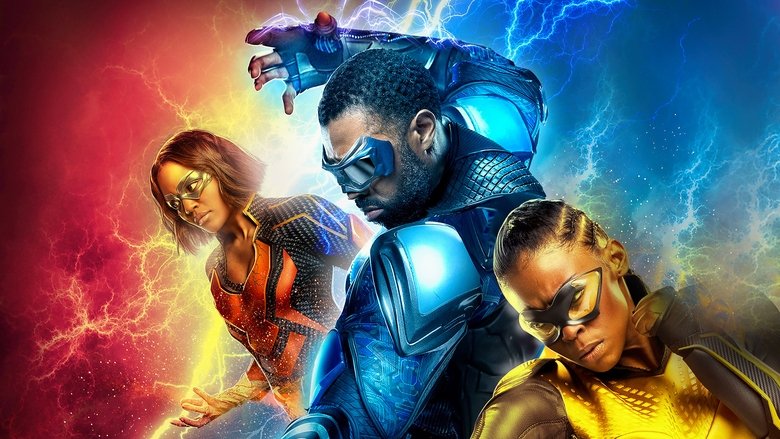
📺 Black Lightning (2018)
Part of Arrowverse
Black Lightning is a 2018 superhero drama television series developed by Salim Akil that brought DC Comics' groundbreaking African American hero to live-action for the first time as a headliner. The character, created by Tony Isabella and Trevor Von Eeden, first appeared in Black Lightning #1 in 1977, making history as one of DC's first major Black superheroes to star in his own title. The television adaptation premiered on The CW on January 16, 2018, with Cress Williams stepping into the role of Jefferson Pierce, a high school principal and retired superhero forced back into action when a dangerous gang threatens his community and his daughters.
The series made several significant changes from the source material while honoring its spirit. The setting was moved from Metropolis to the fictional city of Freeland, and the show placed a much stronger emphasis on family dynamics, with Pierce's daughters Anissa (Nafessa Williams) and Jennifer (China Anne McClain) developing their own powers and becoming heroes alongside their father. This multigenerational approach distinguished the series from other superhero shows, exploring themes of legacy, social justice, and the challenges facing Black communities through the lens of a family drama. The show also notably gave Black Lightning a more streamlined, high-tech costume compared to his comic book counterpart's original Afro wig and open-chested disco-era design.
Originally developed for Fox, the project received a pilot commitment in 2016 before the network passed on it. The CW picked it up with a new pilot script, and the series ran for four seasons, concluding in May 2021. While Black Lightning initially existed in its own separate universe, the show's third season featured its first crossover with the broader Arrowverse franchise during the ambitious "Crisis on Infinite Earths" event, which merged the world of Freeland with the continuity of shows like The Flash, Arrow, and Supergirl. This integration allowed Cress Williams' Black Lightning to interact with the wider DC television pantheon, a milestone for the character who had long operated on the periphery of DC's shared universes.
The series received praise for its authentic portrayal of a Black family, its unflinching examination of social issues including police brutality and systemic racism, and its stellar cast led by Williams' commanding performance. It also introduced viewers to the Pierce family legacy in a way the comics had only begun to explore, with Anissa becoming the hero Thunder and Jennifer becoming Lightning, mirroring their comic book counterparts. The show's soundtrack, heavily featuring classic soul and contemporary hip-hop, further grounded the series in Black culture, making it one of the most distinctive entries in the modern superhero television landscape.

Black Lightning is a fictional superhero appearing in American comic books published by DC Comics. The character was created by writer Tony Isabella and artist Trevor Von Eeden, making his debut in Black Lightning #1 in April 1977. He holds the distinction of being one of the first major African American superheroes to headline his own title at DC Comics.
The character's alter ego is Jefferson Pierce, a former Olympic decathlete who returns to his childhood neighborhood in the fictional city of Metropolis' Suicide Slum (later retconned to the city of Freeland) as a high school principal. After witnessing the corruption and violence plaguing his community, particularly at the hands of the criminal organization known as The 100, Pierce uses his metahuman ability to generate and manipulate electricity to become the vigilante Black Lightning.
Unlike many of his contemporaries, Black Lightning was deliberately designed without a traditional secret identity for his early adventures, wearing a simple mask and an Afro wig as a disguise. His powers include the ability to create powerful electrical blasts, generate force fields, and even manipulate the bio-electricity within other beings. The character was also notable for his grounded, socially conscious storytelling that addressed issues of urban crime, systemic injustice, and community responsibility.
Over the decades, Black Lightning has been a member of various superhero teams including the Outsiders, which he helped found, and the Justice League of America. His legacy expanded with the introduction of his daughters, Anissa and Jennifer Pierce, who inherited his electrical powers and became the superheroes Thunder and Lightning respectively. The character has remained an enduring symbol of representation and community-focused heroism in the DC Universe.
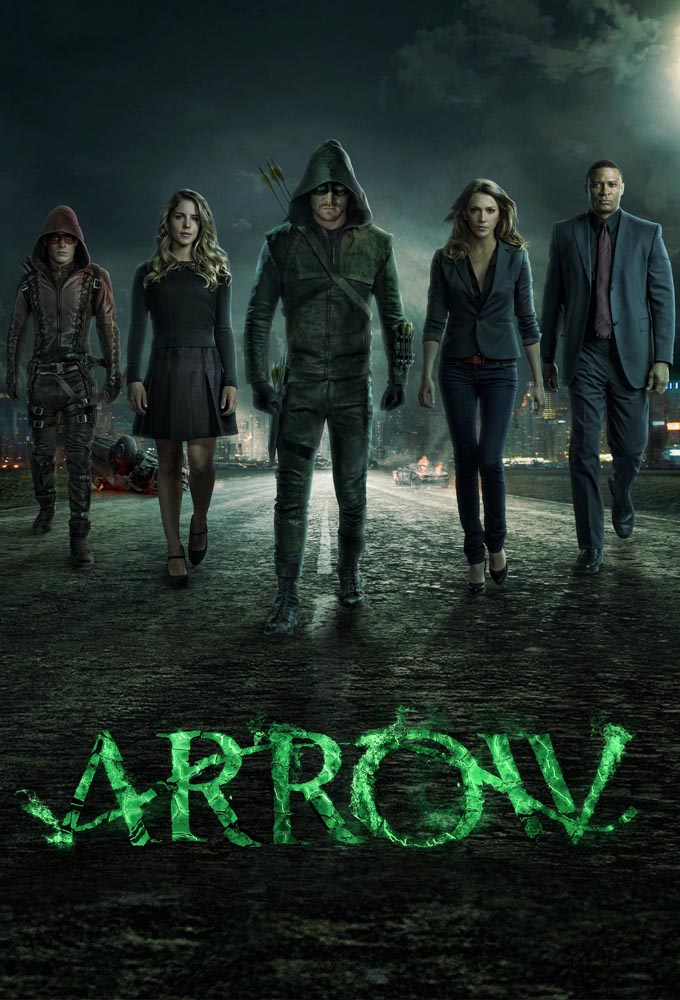
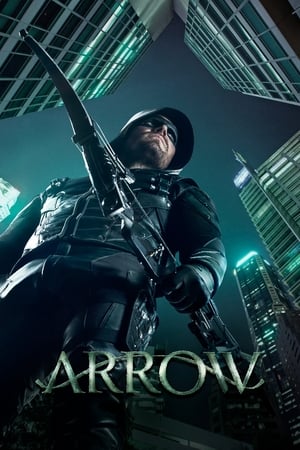
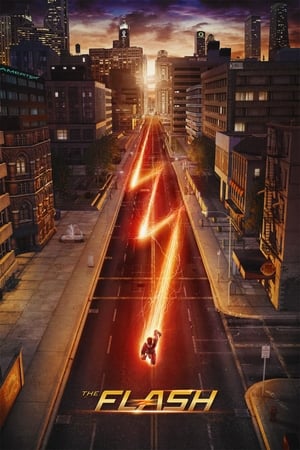
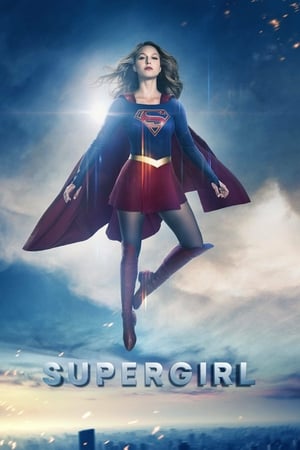
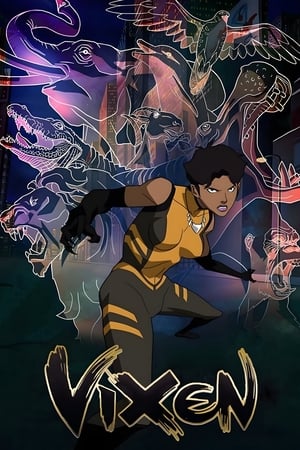
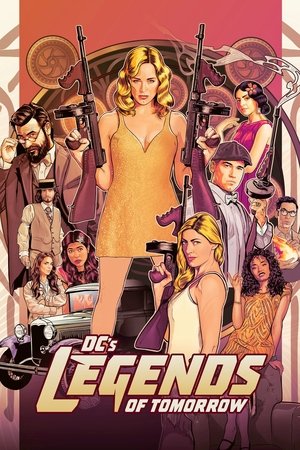
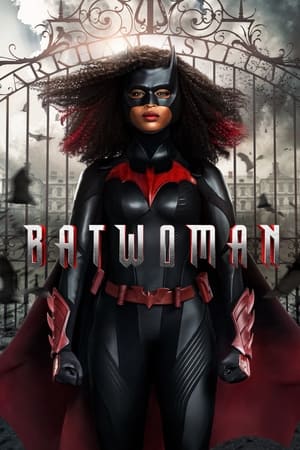
The Arrowverse is a shared universe of interconnected television series based on characters from DC Comics, primarily airing on The CW. It began with the premiere of Arrow in 2012, which introduced a grounded, gritty take on the Green Arrow mythos. The universe expanded significantly with the debut of The Flash in 2014, establishing a multiverse concept that allowed for crossovers and the integration of other DC properties. This interconnected storytelling model became a defining feature, with annual crossover events bringing together heroes from multiple shows to face larger threats. The Arrowverse is notable for its ambitious scope, weaving together narratives across numerous series including Supergirl, DC's Legends of Tomorrow, Batwoman, and Black Lightning, while also incorporating animated web series like Vixen and Freedom Fighters: The Ray. It embraced a wide tonal range, from the dark vigilantism of Arrow to the lighter, more hopeful adventures of The Flash and Supergirl. The franchise's central theme revolves around heroism, legacy, and found family, often exploring how ordinary individuals rise to become symbols of hope. Its cultural significance lies in its successful adaptation of comic book crossover events to television, creating a sprawling, fan-engaged universe that predated and influenced later shared universe models. The Arrowverse concluded its primary interconnected narrative with the crossover event 'Crisis on Infinite Earths' and the final seasons of its flagship shows, though its legacy continues through spin-offs and its impact on superhero television storytelling.