📺 Vixen (2015)
Part of Arrowverse
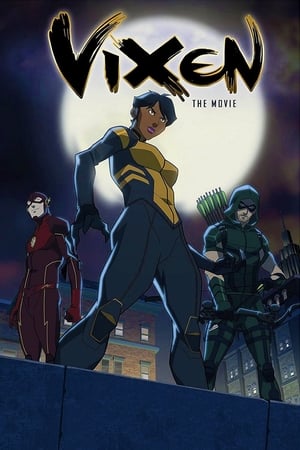
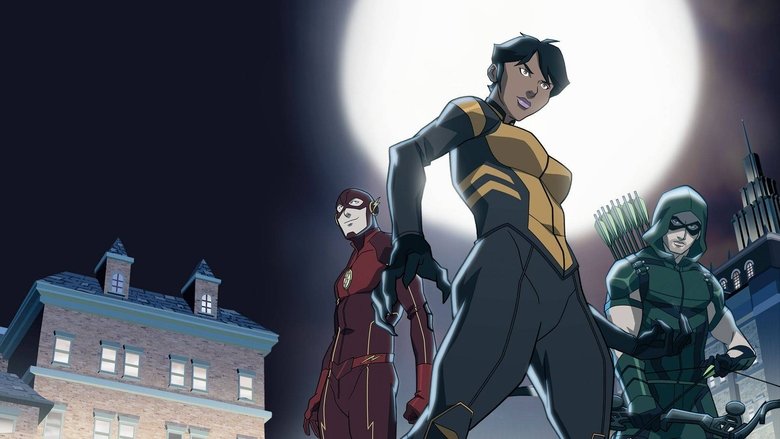
Vixen is a 2015 animated web series that brings DC Comics' groundbreaking African superheroine to the screen in her first solo starring vehicle. The character, created by Gerry Conway and Bob Oksner, first appeared in Action Comics #521 in 1981 and has been a member of the Justice League and Suicide Squad in the comics. This CW Seed series, executive produced by Greg Berlanti, Marc Guggenheim, and Andrew Kreisberg, marks the first time Mari McCabe headlines her own story in animation, with Megalyn Echikunwoke voicing the title role.
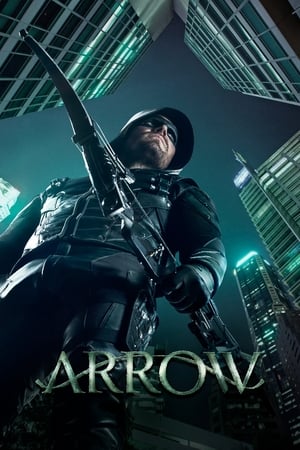
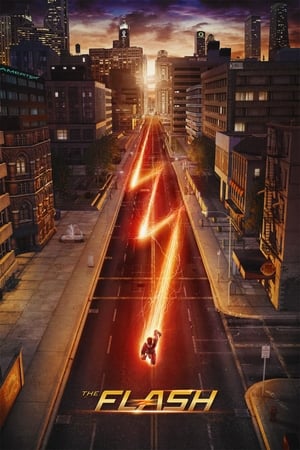
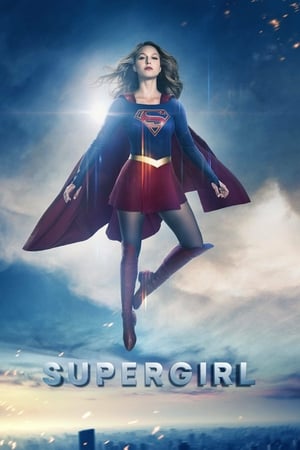
The series is set firmly within the Arrowverse, the shared television universe that includes Arrow, The Flash, Supergirl, and Legends of Tomorrow. This integration allows Vixen to interact with established heroes from those shows, with Grant Gustin and Stephen Amell reprising their roles as The Flash and Green Arrow in guest appearances. The story follows Mari McCabe, who inherits the mystical Tantu Totem after her parents are killed by corrupt local forces in Africa, and uses its animal-mimicking powers to fight crime and uncover the truth about her family's past.
The first season debuted on August 25, 2015, and consisted of six short episodes totaling about 30 minutes. A second season followed in October 2016, expanding the mythology by introducing Mari's sister Kuasa, voiced by Anika Noni Rose. The character later made the jump to live-action, with Megalyn Echikunwoke appearing as Vixen on an episode of Arrow, while a different version of the character set in the 1940s was introduced on Legends of Tomorrow. The web series was praised for its animation style and for giving a spotlight to a character who had long deserved more attention outside the pages of comic books.

Vixen is a superheroine appearing in American comic books published by DC Comics. She was created by writer Gerry Conway and artist Bob Oksner, making her first appearance in Action Comics #521 in July 1981. The character, whose real name is Mari Jiwe McCabe, is notable for being one of DC's first major African female superheroes.
Mari McCabe was born in the fictional African nation of Zambesi. After her mother is killed by poachers and her father is murdered by his own half-brother, a young Mari flees to the United States. She inherits the mystical Tantu Totem, a fox-head-shaped artifact passed down through her family, which grants her the ability to channel the abilities of any animal on Earth. By focusing on a specific creature, she can mimic its strength, speed, agility, or senses.
Vixen has been a member of several superhero teams over the decades, including the Justice League of America and the Suicide Squad. Her powers are rooted in African mythology and the connection between humanity and the animal kingdom, making her a unique figure in DC's pantheon. The character has appeared in various comic series, animated shows, and video games, becoming a symbol of representation and empowerment in superhero media.
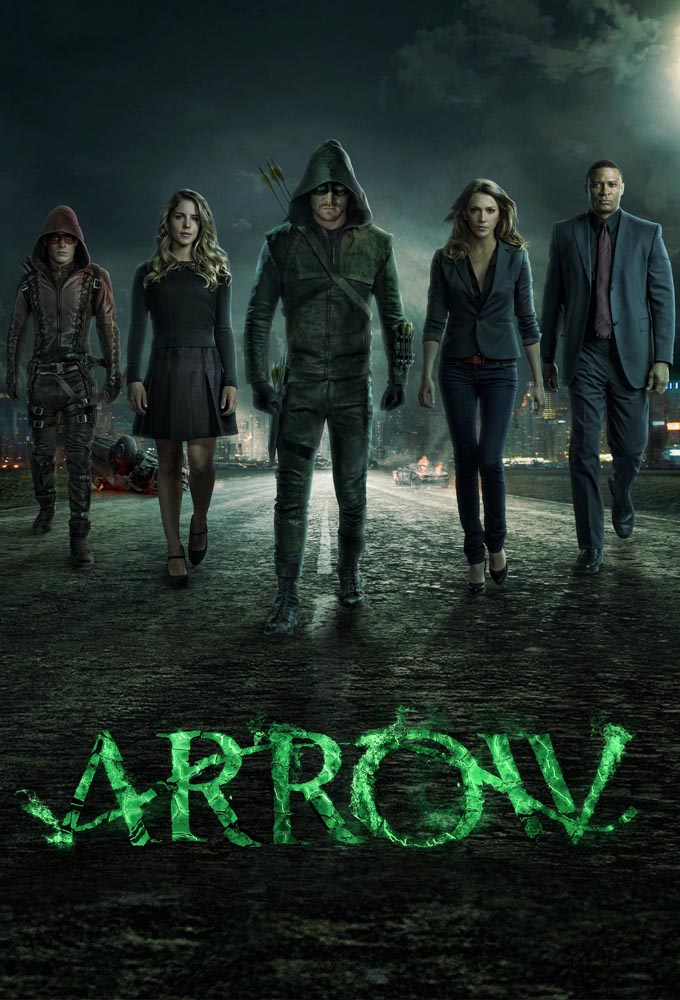
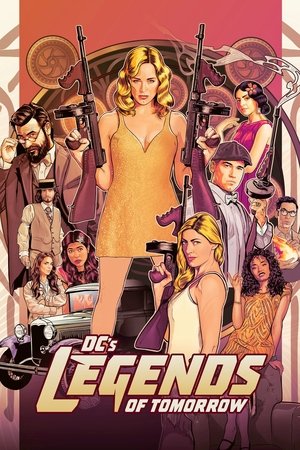
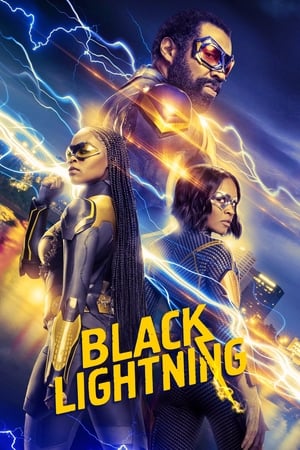
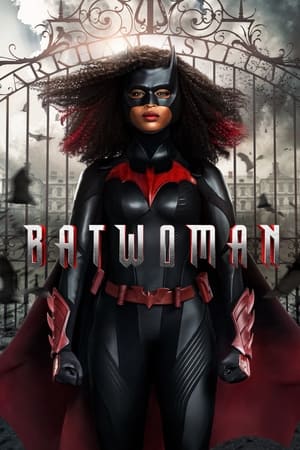
The Arrowverse is a shared universe of interconnected television series based on characters from DC Comics, primarily airing on The CW. It began with the premiere of Arrow in 2012, which introduced a grounded, gritty take on the Green Arrow mythos. The universe expanded significantly with the debut of The Flash in 2014, establishing a multiverse concept that allowed for crossovers and the integration of other DC properties. This interconnected storytelling model became a defining feature, with annual crossover events bringing together heroes from multiple shows to face larger threats. The Arrowverse is notable for its ambitious scope, weaving together narratives across numerous series including Supergirl, DC's Legends of Tomorrow, Batwoman, and Black Lightning, while also incorporating animated web series like Vixen and Freedom Fighters: The Ray. It embraced a wide tonal range, from the dark vigilantism of Arrow to the lighter, more hopeful adventures of The Flash and Supergirl. The franchise's central theme revolves around heroism, legacy, and found family, often exploring how ordinary individuals rise to become symbols of hope. Its cultural significance lies in its successful adaptation of comic book crossover events to television, creating a sprawling, fan-engaged universe that predated and influenced later shared universe models. The Arrowverse concluded its primary interconnected narrative with the crossover event 'Crisis on Infinite Earths' and the final seasons of its flagship shows, though its legacy continues through spin-offs and its impact on superhero television storytelling.