🎬 Supergirl (1984)
Part of Superman
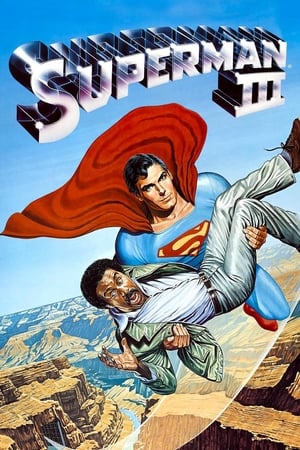
The 1984 film 'Supergirl' marked the first big-screen appearance of Superman's cousin, bringing the DC Comics heroine to life in a spin-off from the Christopher Reeve-led Superman series. Directed by Jeannot Szwarc, the movie starred Helen Slater in her feature film debut as Kara Zor-El, with a supporting cast that included Faye Dunaway as the villainous witch Selena, Peter O'Toole as the Kryptonian wizard Zaltar, and Mia Farrow. Marc McClure reprised his role as Jimmy Olsen, directly tying the film to the continuity of 'Superman III'.
The film draws its core character from the comic book Supergirl, who first appeared in Action Comics #252 in 1959. Created by Otto Binder and Al Plastino, Kara Zor-El was introduced as Superman's cousin from the surviving Kryptonian city of Argo, sharing his powers and heroic mission. The movie invents its own plot centered on the Omegahedron, a powerful Kryptonian artifact that Kara pursues to Earth, where it falls into the hands of a power-hungry sorceress. This storyline was an original creation for the screen rather than a direct adaptation of any particular comic arc.
Despite its ambitious scope and a reported $35 million budget, 'Supergirl' was a critical and commercial disappointment upon its UK release in July 1984, grossing only $14 million worldwide. Helen Slater did earn a Saturn Award nomination for Best Actress, and over the years the film has developed a modest cult following for its campy tone and earnest charm. The failure had significant industry repercussions: producers Alexander and Ilya Salkind sold the Superman film rights to Cannon Films shortly afterward, effectively ending the Reeve-era franchise trajectory. Decades later, the character would find far greater success on television with Melissa Benoist starring in the CW series 'Supergirl' from 2015 to 2021.

Supergirl is the name of a superheroine appearing in American comic books published by DC Comics. The original and most iconic Supergirl is Kara Zor-El, the cousin of Superman. Created by writer Otto Binder and artist Al Plastino, she made her debut in Action Comics #252 in May 1959. Conceived as a female counterpart to the Man of Steel, Kara Zor-El was sent to Earth from the doomed planet Krypton to protect her infant cousin Kal-El, but her rocket was knocked off course, causing her to arrive years later as a teenager.
Like Superman, Supergirl possesses a vast array of superhuman abilities under Earth's yellow sun, including flight, super strength, speed, heat vision, and invulnerability, with Kryptonite as her primary weakness. Over the decades, the character evolved from a supporting player in Superman's stories to a headlining hero in her own right, starring in Adventure Comics and multiple self-titled series. Her civilian identity, Linda Lee Danvers, allowed her to navigate life on Earth while secretly protecting National City and the world.
The mantle of Supergirl has been taken up by several other characters in DC Comics continuity, including Matrix, a protoplasmic shapeshifter from a pocket universe; Linda Danvers, who merged with Matrix; and Cir-El, a human briefly believed to be Superman's daughter. Despite these variations, Kara Zor-El remains the definitive version and has become a feminist icon in superhero fiction, representing strength, compassion, and resilience across generations of readers.
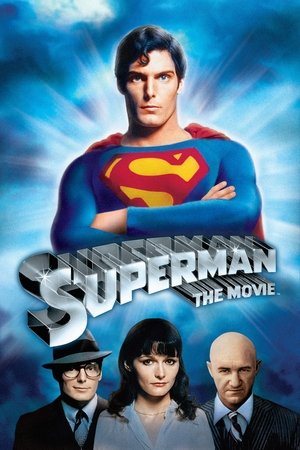
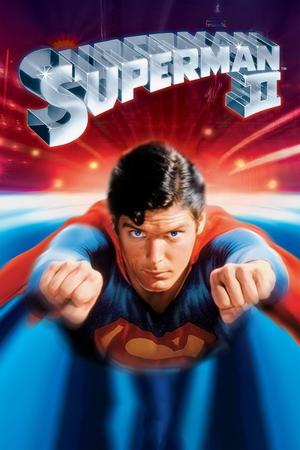
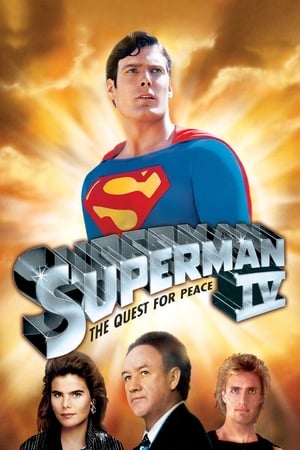
The Superman film collection encompasses a series of theatrical motion pictures based on the iconic DC Comics superhero created by Jerry Siegel and Joe Shuster. Beginning with the landmark 1978 film directed by Richard Donner, the collection established the template for the modern superhero blockbuster, blending mythic grandeur with heartfelt human drama. Christopher Reeve's portrayal of the Man of Steel became definitive, capturing both the character's otherworldly power and his gentle, earnest humanity. The initial films, particularly the first two, are celebrated for their pioneering special effects, John Williams' majestic score, and a tone that balanced epic adventure with romantic comedy. The collection expanded to include a spin-off focusing on Superman's Kryptonian cousin, Supergirl, and later sequels that saw diminishing returns and a shift toward campier, less critically successful entries. After a long hiatus, the character returned to cinemas in 2006 with a nostalgic homage that served as a direct sequel to the earlier Donner films, bypassing the later sequels. The collection is set to be reinvented again with a new film in 2025, launching a fresh cinematic universe for DC characters. Across its history, the Superman film collection has grappled with the central challenge of portraying a near-invincible hero, exploring themes of identity, belonging, and the immigrant experience, while its varying critical and commercial fortunes reflect the evolving tastes of audiences and the difficulties of adapting such an enduring cultural icon.