🎬 Superman IV: The Quest for Peace (1987)
Part of Superman
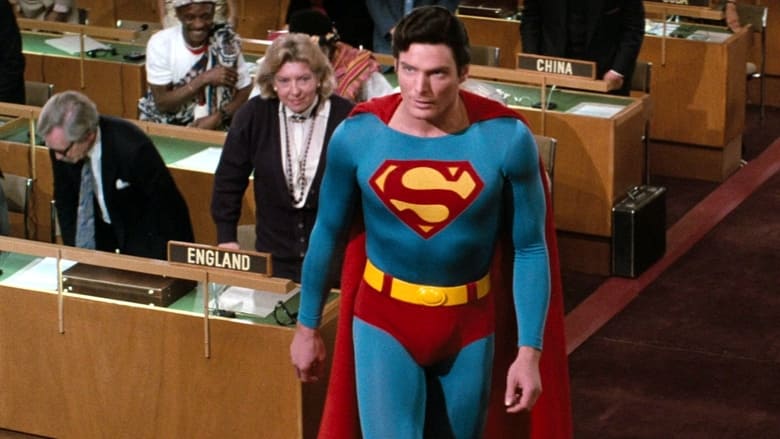
Superman IV: The Quest for Peace marked the final time Christopher Reeve donned the iconic red cape, bringing his celebrated tenure as the Man of Steel to a close in 1987. Directed by Sidney J. Furie, this fourth installment in the Superman film series attempted to tackle a weighty real-world issue—nuclear disarmament—with Reeve himself contributing to the story and script. The plot sees Superman deciding to rid the world of nuclear weapons, a decision that inadvertently leads Lex Luthor to create a solar-powered nemesis known as Nuclear Man.
The film was produced by The Cannon Group, known for their low-budget action fare, and suffered greatly from the company's financial troubles during production. Massive budget cuts resulted in visibly cheap special effects, extensive deletion of footage, and a final product that felt disjointed and incomplete. Despite the return of Gene Hackman as Lex Luthor and Margot Kidder as Lois Lane, the film could not recapture the magic of Richard Donner's original 1978 classic or even the campy fun of its immediate predecessors.
Upon release, Superman IV was met with scathing reviews and disappointing box office returns, effectively grounding the film franchise for nearly two decades until Superman Returns in 2006. While it remains a low point in superhero cinema, the film has gained a certain nostalgic notoriety among fans, serving as a cautionary tale about the perils of compromised creative visions and the challenges of balancing blockbuster spectacle with sincere political messaging.

Superman is a superhero created by writer Jerry Siegel and artist Joe Shuster, first appearing in Action Comics #1 in 1938. The character is an alien from the doomed planet Krypton, sent to Earth as an infant and raised as Clark Kent in Smallville, Kansas. Endowed with extraordinary powers under Earth's yellow sun—including superhuman strength, flight, invulnerability, and heat vision—he adopts the secret identity of Superman to protect humanity while working as a mild-mannered reporter for the Daily Planet in Metropolis.
The character quickly became a cultural phenomenon, launching the entire superhero genre and establishing many of its core tropes: the secret identity, the colorful costume, the archnemesis, and the struggle to balance power with moral responsibility. Superman's iconic supporting cast includes love interest Lois Lane, photographer Jimmy Olsen, and editor Perry White, while his rogues' gallery features the criminal genius Lex Luthor, the fifth-dimensional imp Mister Mxyzptlk, and the monstrous Doomsday.
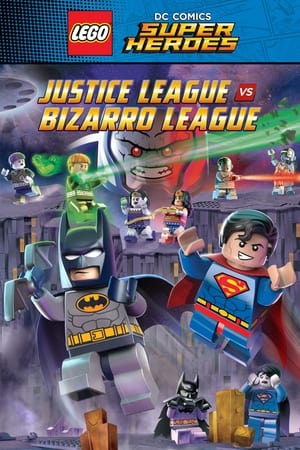
Among Superman's most enduring and peculiar antagonists is Bizarro, an imperfect duplicate of the Man of Steel created through failed cloning experiments or reality-warping accidents. Bizarro possesses all of Superman's powers but applies them with childlike, backwards logic—often causing destruction while genuinely trying to help. He speaks in reversed grammar, lives on the cube-shaped Bizarro World, and is beloved by fans as both a tragic figure and a source of absurdist comedy. Bizarro first appeared in Superboy #68 in 1958 and has remained a staple of DC Comics ever since.
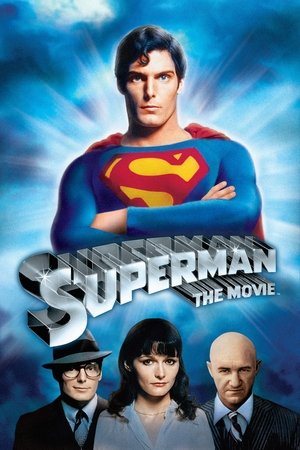
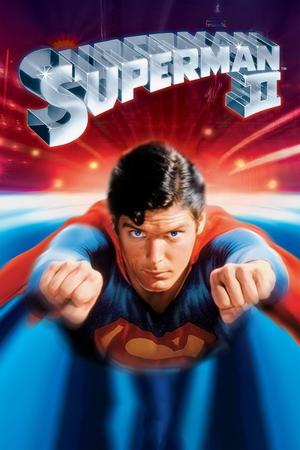
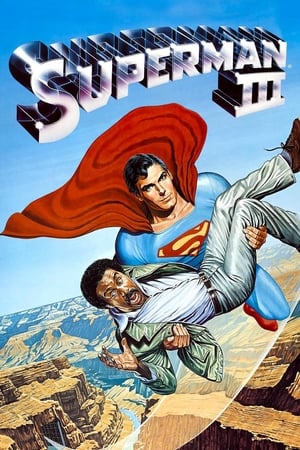
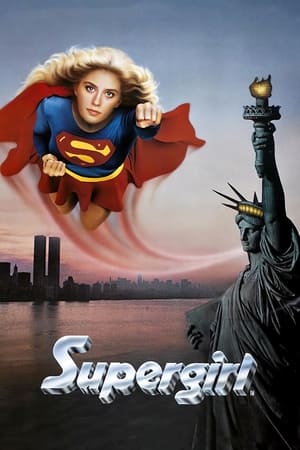
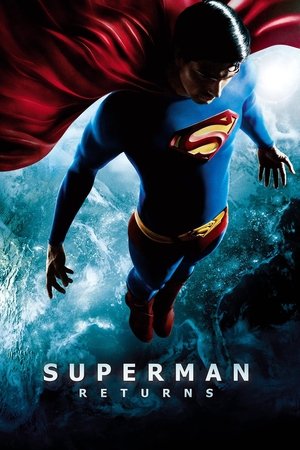
The Superman film collection encompasses a series of theatrical motion pictures based on the iconic DC Comics superhero created by Jerry Siegel and Joe Shuster. Beginning with the landmark 1978 film directed by Richard Donner, the collection established the template for the modern superhero blockbuster, blending mythic grandeur with heartfelt human drama. Christopher Reeve's portrayal of the Man of Steel became definitive, capturing both the character's otherworldly power and his gentle, earnest humanity. The initial films, particularly the first two, are celebrated for their pioneering special effects, John Williams' majestic score, and a tone that balanced epic adventure with romantic comedy. The collection expanded to include a spin-off focusing on Superman's Kryptonian cousin, Supergirl, and later sequels that saw diminishing returns and a shift toward campier, less critically successful entries. After a long hiatus, the character returned to cinemas in 2006 with a nostalgic homage that served as a direct sequel to the earlier Donner films, bypassing the later sequels. The collection is set to be reinvented again with a new film in 2025, launching a fresh cinematic universe for DC characters. Across its history, the Superman film collection has grappled with the central challenge of portraying a near-invincible hero, exploring themes of identity, belonging, and the immigrant experience, while its varying critical and commercial fortunes reflect the evolving tastes of audiences and the difficulties of adapting such an enduring cultural icon.