🎬 Green Lantern (2011)
Based on comic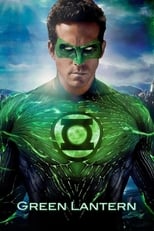
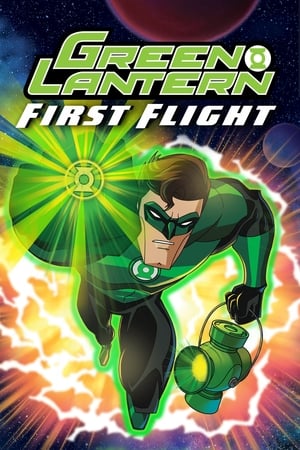
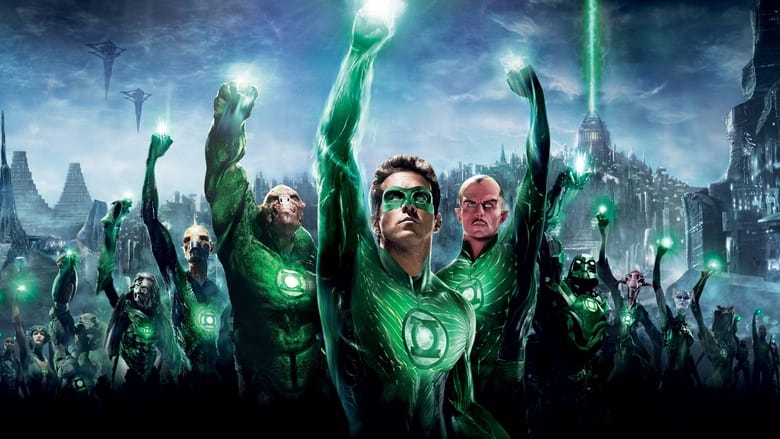
The 2011 film 'Green Lantern' is a live-action adaptation of the DC Comics superhero, specifically drawing from the Silver Age reinvention of the character and the mythology of the Green Lantern Corps. Directed by Martin Campbell, the film stars Ryan Reynolds as Hal Jordan, a cocky test pilot who is granted a power ring by the dying alien Abin Sur and becomes the first human member of the intergalactic peacekeeping force. The story pits Hal against the fear-entity Parallax, while also dealing with the threat of Hector Hammond, a scientist exposed to Parallax's DNA who develops powerful psychic abilities.
The film had a notoriously long and troubled path to the screen. Development began as early as 1997, with various writers and directors attached over the years, including a comedic take from Robert Smigel and a more serious version from Greg Berlanti, who was originally set to direct. The project finally moved forward with Martin Campbell, known for revitalizing the James Bond franchise with 'Casino Royale'. The film was shot in Louisiana and heavily utilized CGI for the Green Lantern suit, constructs, and the alien world of Oa, a decision that proved controversial with fans and critics.
Upon release, 'Green Lantern' was met with largely negative reviews and underperformed at the box office relative to its massive budget. Critics cited an over-reliance on unconvincing visual effects, a muddled script, and a lack of the adventurous spirit of the source material. The film's reception became a long-running joke for star Ryan Reynolds, who would famously mock it years later in his self-aware, R-rated 'Deadpool' films. Despite its failure to launch a planned franchise, the film did introduce wider audiences to the deeper lore of the Green Lantern Corps, including the Guardians of the Universe and the planet Oa.
In the years since, the Green Lantern property has struggled to return to live-action. A planned sequel was scrapped, and the character was notably absent from the early DC Extended Universe films. The legacy of the 2011 film is largely one of a cautionary tale in superhero cinema, a big-budget misfire that nonetheless remains a point of curiosity for fans of the genre and the character.

Green Lantern is the name of a legacy of superheroes published by DC Comics, first appearing in All-American Comics #16 in July 1940. The original character, Alan Scott, was created by artist Martin Nodell with writer Bill Finger during the Golden Age of Comic Books. Scott was a railroad engineer who discovered a mystical green lantern and forged a ring from its metal, granting him a variety of powers including flight, energy projection, and the ability to create solid light constructs, though it was mystically powerless against wood.
In 1959, during the Silver Age, editor Julius Schwartz reinvented the concept with writer John Broome and artist Gil Kane. They introduced Hal Jordan, a fearless test pilot who is chosen by the dying alien Abin Sur to join the Green Lantern Corps, an intergalactic police force overseen by the Guardians of the Universe. This version reimagined the ring as a piece of advanced technology powered by willpower, capable of creating anything the wearer could imagine. This science-fiction approach proved immensely popular and established the rich mythology of the Green Lantern Corps, with 3600 sectors of space each patrolled by a Lantern.
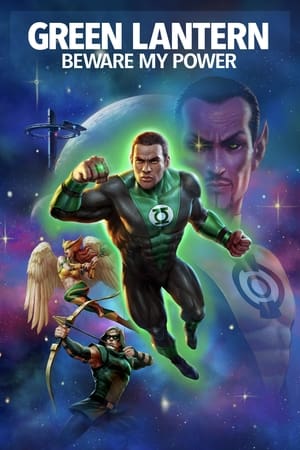
Over the decades, several other characters have taken up the mantle of Earth's Green Lantern. John Stewart, one of DC's first prominent African-American superheroes, was introduced in the 1970s and became widely known through the Justice League animated series. Guy Gardner debuted as a brash, hot-headed alternative to Hal Jordan. In the 1990s, Kyle Rayner, a struggling artist, became the sole Green Lantern after the Corps was temporarily destroyed, known for his imaginative and intricate constructs. Other Lanterns like Simon Baz and Jessica Cruz have since joined the ranks, expanding the legacy.
The Green Lantern mythos has become one of DC Comics' most enduring and thematically rich properties, exploring themes of willpower, fear, and courage. The emotional spectrum was later expanded to introduce other Lantern Corps, each powered by a different emotion, such as the Sinestro Corps (fear) and the Red Lanterns (rage). The franchise has been a staple of DC's publishing line for over eighty years, spawning numerous solo series, team books, and major crossover events.