🎬 Wonder Woman 1984 (2020)
Part of Wonder Woman
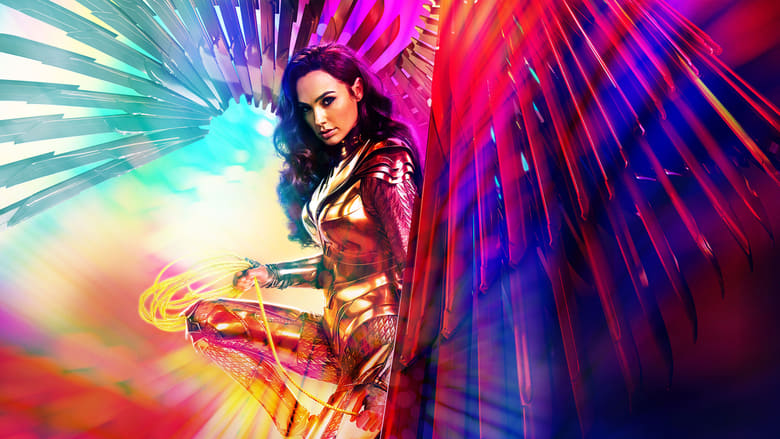
Wonder Woman 1984 is the 2020 sequel to the 2017 blockbuster Wonder Woman, both part of the DC Extended Universe. Directed once again by Patty Jenkins, the film takes a bold leap forward in time from World War I to the neon-drenched excess of the 1980s. Gal Gadot returns as Diana Prince, who is now working as a senior anthropologist at the Smithsonian Institution while secretly continuing her mission as Wonder Woman. The film introduces two new antagonists: Kristen Wiig as Barbara Ann Minerva, a shy gemologist who transforms into the predatory Cheetah, and Pedro Pascal as Maxwell Lord, a charismatic but failing businessman who becomes intoxicated by the power of a mystical artifact.
The film's central MacGuffin is the Dreamstone, an ancient artifact that grants wishes but extracts a terrible price. This plot device allows the film to resurrect Chris Pine's Steve Trevor, whose presence in the 1984 setting creates both comedic fish-out-of-water moments and genuine emotional stakes. The screenplay, co-written by Jenkins, Geoff Johns, and David Callaham, deliberately echoes the tone of Richard Donner's Superman films, emphasizing hope and heroism over the darker tone of some other DCEU entries.
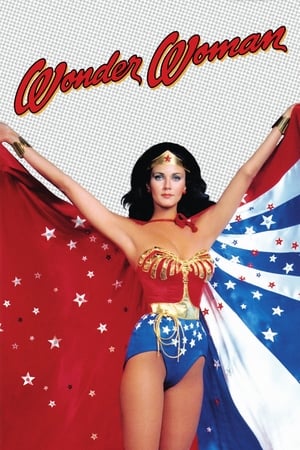
Wonder Woman 1984 draws from decades of DC Comics lore, particularly the character's rich rogues' gallery. Cheetah first appeared in Wonder Woman #6 in 1943, created by William Moulton Marston, and has remained one of Diana's most formidable foes. Maxwell Lord, introduced by Keith Giffen and J.M. DeMatteis in 1987's Justice League #1, is a more modern addition whose manipulative nature translates effectively to the greed-is-good era. The film also features a mid-credits cameo from Lynda Carter, who played Wonder Woman in the beloved 1970s television series, appearing as Asteria, a legendary Amazon warrior.
Released during the COVID-19 pandemic, the film was simultaneously distributed in theaters and on HBO Max in the United States, a controversial decision that sparked industry-wide debate about the future of theatrical distribution. While critical reception was more mixed than its predecessor, the film was praised for its earnest tone, Gadot's performance, and Pascal's scenery-chewing villainy. The production design lovingly recreates 1984's fashion and aesthetic, from shopping malls to parachute pants, grounding the superhero spectacle in a specific and nostalgic time period.

Wonder Woman is a superheroine created by the American psychologist and writer William Moulton Marston and artist Harry G. Peter. She first appeared in All Star Comics #8 in December 1941, published by DC Comics (then National Periodical Publications). The character is an Amazon princess from the hidden island of Themyscira, gifted with superhuman strength, speed, and the ability to fly. Armed with her Lasso of Truth and indestructible bracelets, she fights for justice, love, and peace in the world of men.
Marston intended Wonder Woman to be a feminist icon, a hero who would triumph not through brute force but through compassion and understanding. Her early adventures were heavily influenced by Marston's interest in psychology, particularly the concepts of dominance and submission, which were woven into the character's mythology. The comics often depicted Wonder Woman being bound or chained, only to break free through her own power, symbolizing female emancipation.
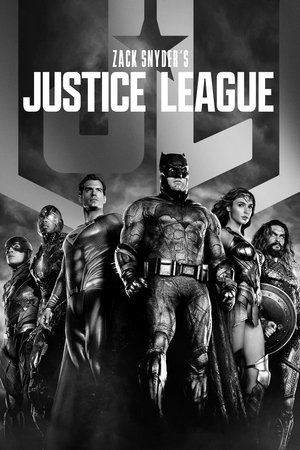
Over the decades, Wonder Woman has become one of DC's most enduring and recognizable characters, standing alongside Superman and Batman as part of the 'Trinity' of flagship heroes. Her origin and powers have been revised several times through major comic book events, but her core identity as a warrior for peace and equality has remained constant. She has been a member of the Justice League and has headlined multiple solo comic series.
The character's cultural impact extends far beyond comics. She has been a symbol of female empowerment, appearing on the cover of the inaugural issue of Ms. magazine in 1972. Wonder Woman has been adapted into numerous television series, animated films, and a major live-action film franchise, cementing her status as a global pop culture icon.
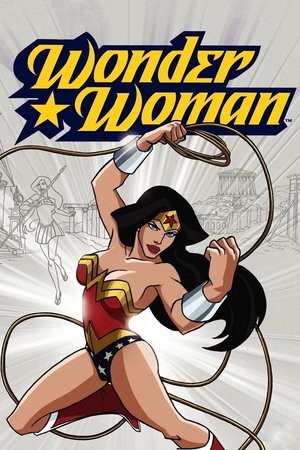
The franchise centers on the adventures of Diana Prince, an Amazonian warrior princess who leaves her hidden island home to protect the human world from threats both mythological and modern. Drawing directly from decades of comic book lore, the series explores the duality of her existence as both a divine demigod and a compassionate advocate for peace. At its core, the narrative consistently emphasizes themes of love, justice, and the enduring power of empathy in the face of conflict and corruption.
Culturally, the series has played a pivotal role in reshaping the landscape of superhero cinema by placing a female protagonist at the forefront of a major cinematic universe. Its success helped pave the way for more diverse storytelling within the genre, proving that audiences eagerly embrace narratives led by strong, morally complex women. The franchise has also sparked widespread discussions about representation, mythology, and the intersection of ancient legends with contemporary societal issues.
Over time, the series has evolved to reflect changing cultural conversations while maintaining its foundational commitment to hope and heroism. Through its distinctive visual style and mythological storytelling, it has carved out a unique identity within the broader superhero genre, leaving a lasting impact on both popular culture and the comic book adaptation landscape.
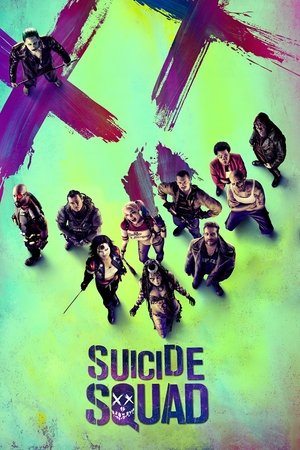
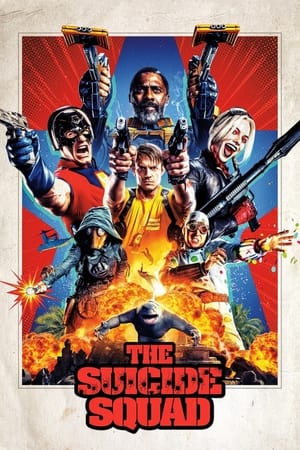
The Suicide Squad film series centers on a covert government program that recruits incarcerated supervillains for high-risk black ops missions in exchange for reduced sentences. Originating from the DC Comics team of the same name, the cinematic collection explores the morally ambiguous world of Task Force X, where expendable antiheroes are forced into deadly assignments under the threat of implanted explosives. The series is defined by its ensemble casts of deeply flawed, often mentally unstable characters who must navigate shifting alliances, personal demons, and the manipulative oversight of their handler, Amanda Waller. Themes of redemption, coercion, and the blurred line between heroism and villainy run throughout, as these outcasts are repeatedly thrust into situations where survival is never guaranteed.
The collection began with David Ayer's Suicide Squad (2016), which introduced a stylized, gritty take on the team, blending dark humor with explosive action. The narrative and tonal direction shifted significantly with James Gunn's The Suicide Squad (2021), a standalone follow-up that leaned further into irreverent comedy, ultraviolence, and heartfelt character moments, while retaining the core premise of disposable criminals on a suicide mission. This entry expanded the roster with obscure and eccentric characters, reinforcing the series' willingness to subvert expectations and kill off major figures without warning. The 2021 film also served as a launchpad for the spin-off television series Peacemaker, which follows one of the team's more jingoistic members in a continuation that deepens the universe's exploration of trauma, ideology, and unlikely redemption.
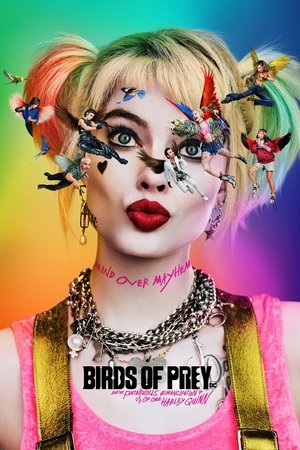
Beyond its own direct entries, the Suicide Squad concept has intersected with the broader DC film landscape, particularly through the character of Harley Quinn, who appears in Birds of Prey and other ensemble films. The series' influence is felt in its distinctive visual style, needle-drop soundtracks, and its embrace of chaotic, character-driven storytelling. While the core film series consists of two main entries, its narrative and thematic DNA extends into related media, forming a loose but recognizable collection of stories about society's rejects being weaponized for the greater good—or for the hidden agendas of those in power.
The Suicide Squad series has been noted for its tonal experimentation and its willingness to critique the very concept of state-controlled superhero teams. It has garnered a cult following for its irreverent humor, memorable antiheroes, and its ability to balance graphic violence with genuine emotional beats. As a collection, it stands apart from more traditional superhero sagas by focusing on the expendable, the damaged, and the reluctantly heroic, offering a darker, more satirical corner of the DC cinematic world.