📺 Wonder Woman (1975)
Based on comic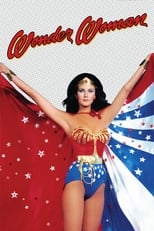
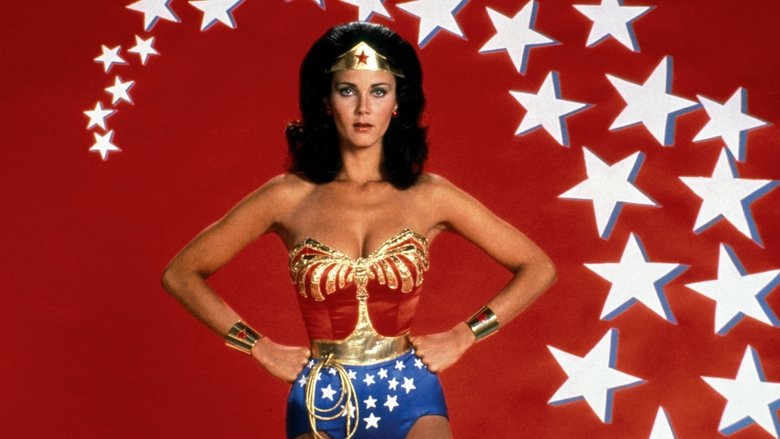
The 1975 television series "Wonder Woman" brought the iconic DC Comics superheroine to live-action for the first time, starring Lynda Carter in the role that would define the character for a generation. Based on the comic book character created by William Moulton Marston and H. G. Peter in 1941, the show adapted the Amazon princess's origin story with a blend of World War II adventure and 1970s superhero action. The series aired for three seasons, initially on ABC and later on CBS, where it was retitled "The New Adventures of Wonder Woman" for its contemporary-set later seasons.
The first season, set during World War II, closely followed the Golden Age comic book premise. American pilot Major Steve Trevor, played by Lyle Waggoner, crashes on Paradise Island after an air battle over the Bermuda Triangle. There, the Amazon princess Diana wins a tournament to earn the right to return him to the outside world, donning her star-spangled costume to fight Nazis and other wartime threats. The show's producers made a deliberate choice to root the early episodes in the 1940s, capturing the patriotic spirit of the original comics while introducing the character to a new audience.
For seasons two and three, the series jumped forward to the then-present day of the late 1970s, with Diana Prince working as an agent for the Inter-Agency Defense Command. This shift allowed for more modern storylines involving espionage, technology, and contemporary villains, though it retained the core elements of the character's mythology. Lynda Carter's portrayal became instantly iconic, with her graceful yet powerful performance and the now-famous spinning transformation sequence becoming a cultural touchstone. The show also featured notable guest stars and recurring roles for actresses like Cloris Leachman, Carolyn Jones, and Beatrice Straight as Queen Hippolyta.
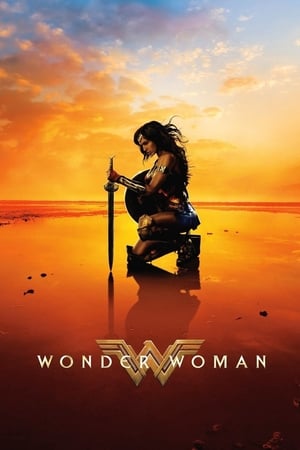
"Wonder Woman" was a groundbreaking series for its time, arriving during a period when female-led superhero television was rare. It paved the way for future adaptations of the character, including the 2017 feature film starring Gal Gadot. The 1975 series remains beloved by fans for its earnest, adventurous spirit and for cementing Wonder Woman's place in popular culture beyond the comic book page. Its blend of wartime nostalgia and 1970s charm, anchored by Carter's charismatic performance, continues to be celebrated as a defining moment in superhero television history.

Wonder Woman is a superheroine created by the American psychologist and writer William Moulton Marston and artist Harry G. Peter. She first appeared in All Star Comics #8 in December 1941, published by DC Comics (then National Periodical Publications). The character is an Amazon princess from the hidden island of Themyscira, gifted with superhuman strength, speed, and the ability to fly. Armed with her Lasso of Truth and indestructible bracelets, she fights for justice, love, and peace in the world of men.
Marston intended Wonder Woman to be a feminist icon, a hero who would triumph not through brute force but through compassion and understanding. Her early adventures were heavily influenced by Marston's interest in psychology, particularly the concepts of dominance and submission, which were woven into the character's mythology. The comics often depicted Wonder Woman being bound or chained, only to break free through her own power, symbolizing female emancipation.
Over the decades, Wonder Woman has become one of DC's most enduring and recognizable characters, standing alongside Superman and Batman as part of the 'Trinity' of flagship heroes. Her origin and powers have been revised several times through major comic book events, but her core identity as a warrior for peace and equality has remained constant. She has been a member of the Justice League and has headlined multiple solo comic series.
The character's cultural impact extends far beyond comics. She has been a symbol of female empowerment, appearing on the cover of the inaugural issue of Ms. magazine in 1972. Wonder Woman has been adapted into numerous television series, animated films, and a major live-action film franchise, cementing her status as a global pop culture icon.