🎬 Aquaman (2018)
Part of Aquaman
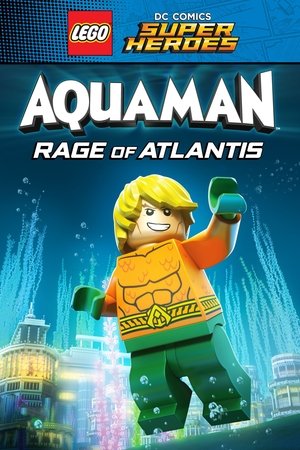
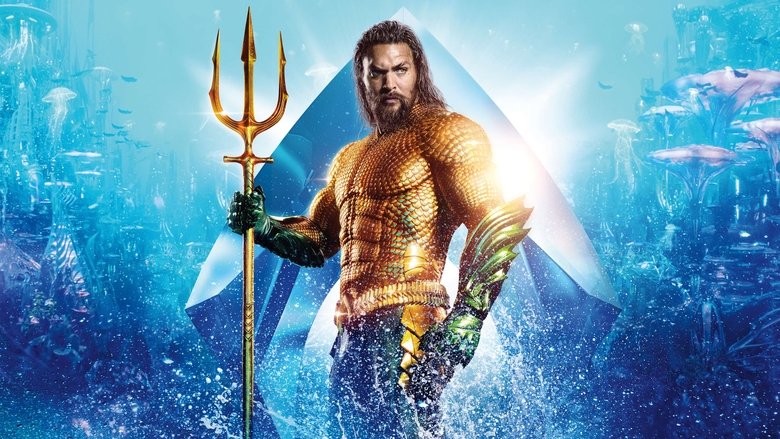
Aquaman, released in 2018, is the first live-action solo film featuring the DC Comics superhero of the same name, and the sixth installment in the DC Extended Universe. Directed by James Wan from a screenplay by David Leslie Johnson-McGoldrick and Will Beall, the film stars Jason Momoa as Arthur Curry, a half-human, half-Atlantean who must embrace his destiny as the rightful heir to the underwater kingdom of Atlantis. The story draws heavily from Aquaman's comic book mythology, particularly the New 52 era and classic Silver Age elements, pitting Arthur against his jealous half-brother Orm, who seeks to unite the seven underwater kingdoms to wage war on the surface world.
The film adapts key characters and relationships from the comics, including Mera (Amber Heard), Arthur's ally and eventual love interest; Vulko (Willem Dafoe), his wise Atlantean mentor; and the vengeful pirate Black Manta (Yahya Abdul-Mateen II), Aquaman's archenemy. Nicole Kidman appears as Queen Atlanna, Arthur's mother, whose backstory is expanded from the comics. The film's visual spectacle, from the bioluminescent depths of the Trench to the armored seahorses and sharks of the Atlantean army, brings the colorful, high-fantasy world of the comics to life on an unprecedented scale.
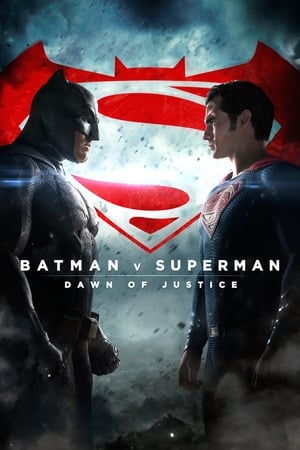
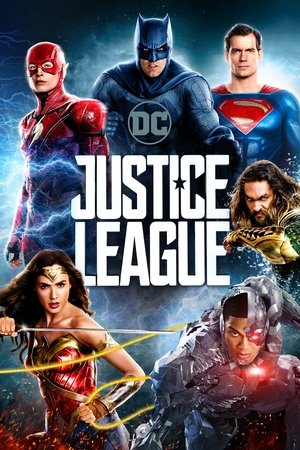
Development on an Aquaman film began as early as 2004, but the project did not gain momentum until after the release of Man of Steel in 2013. Momoa first appeared as the character in a cameo in Batman v Superman: Dawn of Justice (2016) before playing a larger role in Justice League (2017). Wan's direction infused the film with a swashbuckling adventure tone, drawing inspiration from classic quest narratives and emphasizing practical stunts alongside massive CGI set pieces. The film became a massive commercial success, grossing over $1.1 billion worldwide, making it the highest-grossing DCEU film at the time and proving the character's box office viability after years of being underestimated in pop culture.
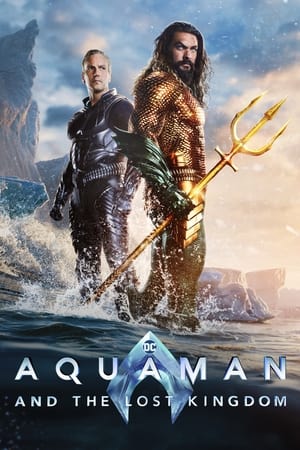
A sequel, Aquaman and the Lost Kingdom, was released in 2023, continuing Arthur's story as he balances his duties as king and father while facing a new threat connected to an ancient Atlantean power. The Aquaman films are notable for embracing the inherent weirdness and grandeur of the source material, from drum-playing octopuses to crab-people kingdoms, without irony, honoring the legacy of a character who has been a cornerstone of DC Comics since his debut in 1941.

Aquaman is a superhero created by Paul Norris and Mort Weisinger, first appearing in More Fun Comics #73 in November 1941. Initially a backup feature in DC Comics anthology titles, the character evolved significantly over the decades. During the Silver Age of comics in the late 1950s and 1960s, Aquaman became a founding member of the Justice League, cementing his place in the DC pantheon.
The character is Arthur Curry, the son of a human lighthouse keeper and the queen of Atlantis, granting him the ability to breathe underwater, communicate telepathically with marine life, and possess superhuman strength and durability. As the rightful king of Atlantis, Aquaman's stories blend high fantasy with science fiction, exploring undersea kingdoms, political intrigue, and environmental themes. His rich supporting cast includes his wife Mera, his mentor Vulko, and sidekicks like Aqualad and Aquagirl.
In the 1990s Modern Age, writers like Peter David reimagined Aquaman with a grittier tone, giving him a harpoon hand and a more brooding personality, which helped shed the character's undeserved reputation as a lesser hero. His rogues' gallery features iconic villains such as the vengeful pirate Black Manta and his power-hungry half-brother Ocean Master. Aquaman remains one of DC's most enduring and recognizable superheroes, appearing across comics, animation, and live-action media.
Based on the iconic DC Comics character, the Aquaman film series brings the mythic underwater kingdom of Atlantis to the big screen. It reimagines the legendary hero as a bridge between two worlds, blending ancient mythology with modern superhero storytelling. The collection draws heavily from comic book lore while expanding the underwater mythology into a cinematic universe of its own, complete with distinct cultures, ancient artifacts, and complex political factions.
The overarching narrative explores themes of dual heritage, environmental stewardship, and the burden of leadership. It contrasts the hidden, politically fractured underwater realms with the surface world, using the ocean as both a breathtaking setting and a metaphor for the unknown. The stories consistently emphasize personal responsibility, the unification of divided peoples, and the moral complexities of wielding power.
Visually ambitious and tonally distinct from earlier superhero entries, the series carved out a unique space in the genre by embracing adventure-fantasy elements alongside blockbuster action. It revitalized interest in a character often overlooked in mainstream pop culture, proving that underwater epic storytelling could achieve massive commercial success and critical appreciation. The franchise continues to expand the lore of its aquatic world while maintaining a focus on character-driven drama and spectacular set pieces.

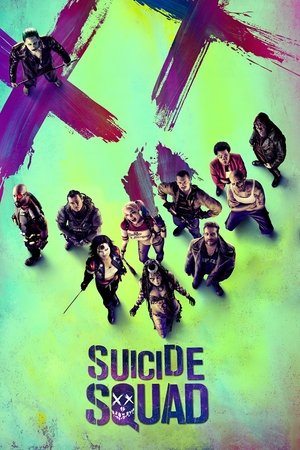
The Suicide Squad film series centers on a covert government program that recruits incarcerated supervillains for high-risk black ops missions in exchange for reduced sentences. Originating from the DC Comics team of the same name, the cinematic collection explores the morally ambiguous world of Task Force X, where expendable antiheroes are forced into deadly assignments under the threat of implanted explosives. The series is defined by its ensemble casts of deeply flawed, often mentally unstable characters who must navigate shifting alliances, personal demons, and the manipulative oversight of their handler, Amanda Waller. Themes of redemption, coercion, and the blurred line between heroism and villainy run throughout, as these outcasts are repeatedly thrust into situations where survival is never guaranteed.
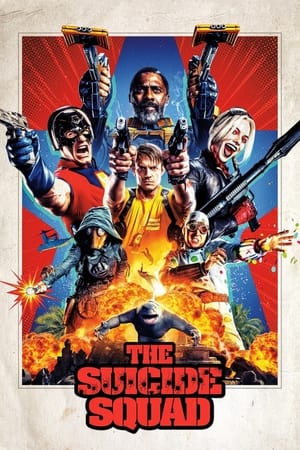
The collection began with David Ayer's Suicide Squad (2016), which introduced a stylized, gritty take on the team, blending dark humor with explosive action. The narrative and tonal direction shifted significantly with James Gunn's The Suicide Squad (2021), a standalone follow-up that leaned further into irreverent comedy, ultraviolence, and heartfelt character moments, while retaining the core premise of disposable criminals on a suicide mission. This entry expanded the roster with obscure and eccentric characters, reinforcing the series' willingness to subvert expectations and kill off major figures without warning. The 2021 film also served as a launchpad for the spin-off television series Peacemaker, which follows one of the team's more jingoistic members in a continuation that deepens the universe's exploration of trauma, ideology, and unlikely redemption.
Beyond its own direct entries, the Suicide Squad concept has intersected with the broader DC film landscape, particularly through the character of Harley Quinn, who appears in Birds of Prey and other ensemble films. The series' influence is felt in its distinctive visual style, needle-drop soundtracks, and its embrace of chaotic, character-driven storytelling. While the core film series consists of two main entries, its narrative and thematic DNA extends into related media, forming a loose but recognizable collection of stories about society's rejects being weaponized for the greater good—or for the hidden agendas of those in power.
The Suicide Squad series has been noted for its tonal experimentation and its willingness to critique the very concept of state-controlled superhero teams. It has garnered a cult following for its irreverent humor, memorable antiheroes, and its ability to balance graphic violence with genuine emotional beats. As a collection, it stands apart from more traditional superhero sagas by focusing on the expendable, the damaged, and the reluctantly heroic, offering a darker, more satirical corner of the DC cinematic world.