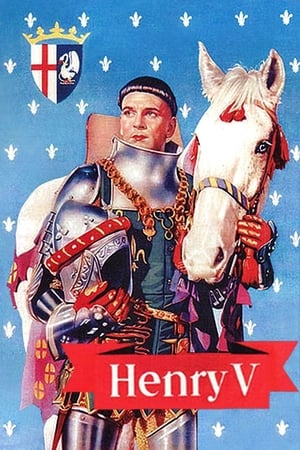
Henry IV, Part 1 is a history play by William Shakespeare, likely written in the mid-1590s and first published in quarto in 1598. Composed during the later years of Elizabeth I’s reign, a period marked by anxieties over succession and political stability, the play is set in early 15th-century England. It weaves together the story of a growing rebellion against King Henry IV with the personal transformation of his son, Prince Hal, the future Henry V, exploring the burdens of leadership and the forging of a monarch’s public identity. The play is equally famous for introducing one of Shakespeare’s most enduring and beloved characters, the roguish, witty, and corpulent knight Sir John Falstaff, whose comic exploits in the taverns of Eastcheap provide a vibrant counterpoint to the political machinations of the court. The narrative masterfully balances high-stakes political drama with rich, earthy comedy, creating a multifaceted portrait of a nation in turmoil and a prince navigating the disparate worlds of duty and revelry. From its first performances, the play was among Shakespeare’s most popular works, a success driven largely by the immediate appeal of Falstaff, which led to multiple early printings. It has remained a staple of the theatrical repertoire for centuries, celebrated for its dynamic structure, its profound meditation on honor and power, and its seamless integration of history and humor, continuing to resonate with audiences through its timeless examination of what it means to be a ruler.