🎬 Othello (1951)
Based on play/musical
Orson Welles's 1951 film adaptation of Shakespeare's Othello is a landmark of independent cinema, as famous for its troubled production history as for its artistic achievements. Welles wrote, directed, produced, and starred in the title role, filming intermittently over three years across Morocco, Venice, Tuscany, and Rome as funds became available. The chaotic schedule meant actors sometimes had to be replaced mid-production, and Welles famously improvised scenes when costumes or locations fell through.
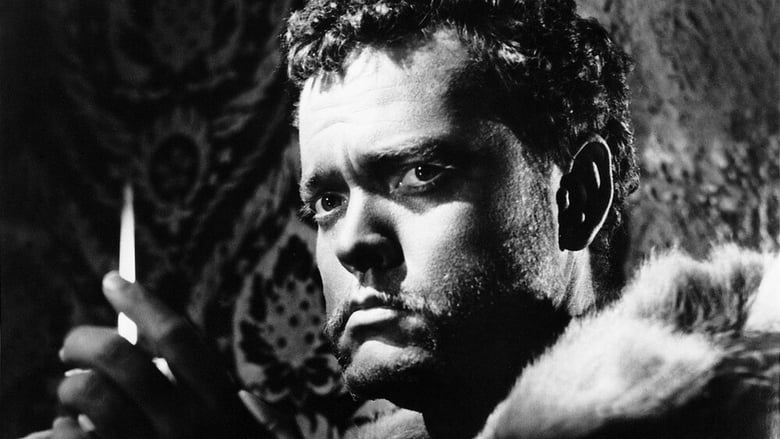
The film won the Grand Prix du Festival International du Film (the precursor to the Palme d'Or) at the 1952 Cannes Film Festival, cementing Welles's reputation as a visionary filmmaker even when working with severely limited resources. Welles condensed Shakespeare's typically three-hour play into just over 90 minutes, restructuring scenes and adding a striking opening funeral sequence not present in the original text. The film's expressionistic cinematography, with its dramatic shadows and unusual camera angles, creates a claustrophobic atmosphere that mirrors Othello's psychological disintegration.
Three different versions of the film have been released over the years: two supervised by Welles himself, and a 1992 restoration overseen by his daughter Beatrice Welles that attempted to reconstruct his original vision. Micheál Mac Liammóir's performance as Iago is particularly celebrated, one of his few starring film roles in a career primarily devoted to the stage. The film remains a testament to Welles's genius and determination, transforming Shakespeare's tragedy into a cinematic fever dream of jealousy and betrayal.

The Tragedy of Othello, the Moor of Venice is a tragedy by William Shakespeare, believed to have been written around 1603. Set against the backdrop of Venice and Cyprus, the play follows the Moorish general Othello as he is cunningly manipulated by his ensign, Iago into believing his wife Desdemona has been unfaithful. The play explores themes of jealousy, race, betrayal, and the destructive power of suspicion.
Shakespeare drew the core plot from a 1565 story by the Italian writer Cinthio, but he transformed it significantly, deepening the psychological complexity of the characters and tightening the dramatic structure. The play was first published in quarto form in 1622, a year before its appearance in the First Folio.
Othello is regarded as one of Shakespeare's four great tragedies, alongside Hamlet, King Lear, and Macbeth. It has remained one of his most frequently performed and adapted works, inspiring countless stage productions, films, operas, and literary reinterpretations. The roles of Othello, Iago, and Desdemona are considered among the most demanding and rewarding in the dramatic canon, and the play's treatment of race and otherness has made it a continually relevant and debated text.