🎬 Hamlet Goes Business (1987)
Based on play/musical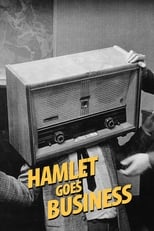
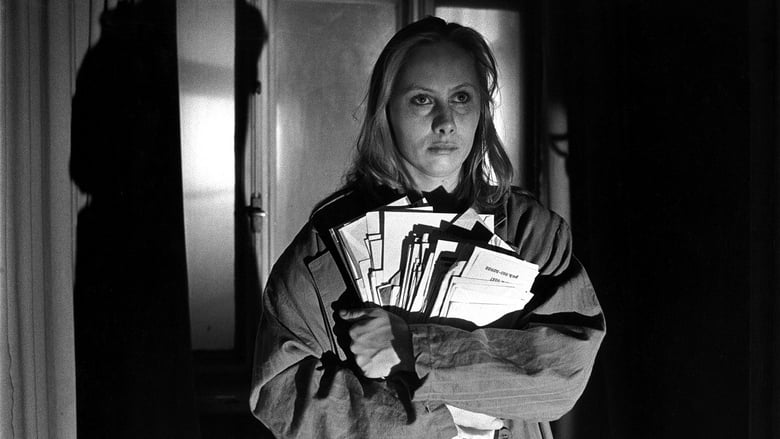
Aki Kaurismäki’s "Hamlet Goes Business" is a deadpan, minimalist reimagining of Shakespeare’s epic tragedy, transplanted into the sterile boardrooms and saunas of a modern Finnish wood-processing conglomerate. Gone are the castles and royal intrigue of Elsinore; in their place is a cold, corporate power struggle over a pivot to the rubber duck market. Kaurismäki strips the play of its poetic grandeur, reducing the iconic soliloquies to mumbled asides and transforming the brooding Prince into a chain-smoking, disaffected heir apparent. The ghost of Hamlet’s father appears not as a spectral apparition but in a matter-of-fact dream sequence, setting off a chain of events that feels less like a revenge plot and more like a sluggish, bureaucratic coup.
The film’s genius lies in its commitment to Kaurismäki’s signature style: Buster Keaton-esque deadpan performances, stark black-and-white cinematography, and a pervasive sense of Nordic melancholy. Pirkka-Pekka Petelius plays Hamlet as a petulant, overgrown child of privilege, whose existential crisis is expressed through sullen silence rather than eloquent verse. The adaptation finds absurdist humor in the collision of high drama and mundane business dealings, with poisonings replaced by tainted meals and the climactic body count unfolding with the detached inevitability of a quarterly earnings report. Ophelia, here a factory worker’s daughter, drowns in a bathtub, a moment that is as bleakly comic as it is tragic.
Critically, the film is seen as both a playful parody and a sincere, if deeply ironic, tribute to its source material. By filtering the play’s themes of corruption and moral decay through the lens of late-1980s capitalism, Kaurismäki suggests that the rottenness in the state of Denmark is not so different from the rot in a family-run business. The film’s reception has solidified its status as a cult oddity within the vast library of Shakespeare adaptations, celebrated for its audacity in finding the banal heart of a timeless masterpiece.

The Tragedy of Hamlet, Prince of Denmark is a tragedy by William Shakespeare, believed to have been written between 1599 and 1601. Set in Denmark, the play follows Prince Hamlet as he seeks revenge against his uncle Claudius, who murdered Hamlet's father to seize the throne and marry Hamlet's mother, Gertrude. The play explores themes of madness, revenge, mortality, and corruption, and features some of the most famous soliloquies in the English language, including "To be, or not to be."
The play exists in three early versions: the First Quarto (1603), the Second Quarto (1604), and the First Folio (1623), each containing lines and scenes missing from the others. Shakespeare drew on a variety of sources, including the legendary Danish prince Amleth from Saxo Grammaticus's 12th-century history and earlier Elizabethan revenge tragedies. Hamlet is Shakespeare's longest play and the title role is one of the most demanding and sought-after in theatre.
Hamlet is widely regarded as one of the most powerful and influential works in world literature. It has been performed countless times on stage and adapted into numerous films, operas, ballets, and novels. The character of Hamlet, with his philosophical introspection and existential doubt, has become an archetype of the modern consciousness, and the play's exploration of grief, betrayal, and the nature of action continues to resonate across cultures and centuries.