
🎬 John Tucker Must Die (2006)
Based on play/musical
John Tucker Must Die is a 2006 teen comedy that takes the classic premise of Shakespeare's The Merry Wives of Windsor and transplants it into the ruthless social hierarchy of an American high school. In the original play, the lecherous Falstaff is humiliated by the clever Mistress Ford and Mistress Page after sending them identical love letters. The film updates this scenario by having three teenage girls from different cliques—an overachiever, a cheerleader, and a vegan activist—discover they are all secretly dating the same basketball star, John Tucker. They recruit the shy new girl Kate to help them execute an elaborate plan to destroy his reputation and break his heart.
The adaptation cleverly mirrors Shakespeare's themes of female solidarity and revenge against a predatory man, while translating the Elizabethan class satire into the modern language of high school stereotypes and cafeteria politics. Where Falstaff is a knight fallen on hard times, John Tucker is a charming jock who uses his status to manipulate girls from separate social circles, ensuring they never compare notes. The film's title itself echoes the play's vengeful spirit, promising a comeuppance that the audience eagerly anticipates.
Directed by Betty Thomas and featuring a cast of rising stars including Brittany Snow, Sophia Bush, and Arielle Kebbel, the film was a modest box office success despite mixed critical reviews. Critics noted its derivative plot but praised the performances and the film's energetic, candy-colored aesthetic. It has since developed a cult following among fans of 2000s teen cinema, appreciated for its quotable dialogue and the chemistry of its ensemble cast. The Shakespearean connection, while loose, places it in a long tradition of teen films that borrow from the Bard, alongside classics like 10 Things I Hate About You and She's the Man.
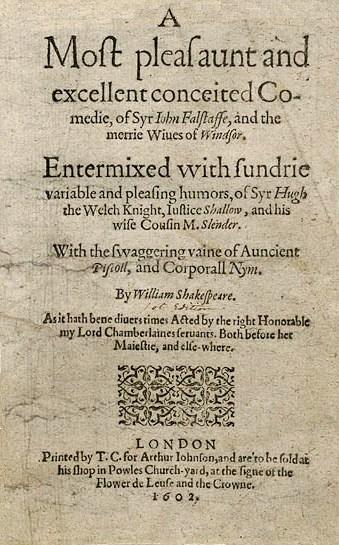
The Merry Wives of Windsor is a comedy by William Shakespeare, first published in 1602, though believed to have been written around 1597. It is unique among Shakespeare's works for its focus on middle-class provincial life in the town of Windsor, rather than the courts and aristocracies of his other comedies. The play centers on the rotund, impoverished knight Sir John Falstaff, a beloved character who also appears in the Henry IV plays.
In the story, Falstaff devises a scheme to seduce two wealthy married women, Mistress Ford and Mistress Page, in order to gain access to their husbands' money. He sends them identical love letters, but the two women quickly discover his duplicity and join forces to exact revenge. Through a series of hilarious and humiliating pranks, they trick Falstaff repeatedly—hiding him in a laundry basket and dumping him in a muddy ditch, and later disguising him as a witch and having him beaten.
The play is notable for its strong, clever female protagonists who drive the action and outwit the would-be seducer. It also features a subplot involving the Pages' daughter, Anne, whose parents each try to arrange her marriage to different suitors while she pursues her own choice. The Merry Wives of Windsor has been adapted numerous times across stage, opera, film, and television, and remains a popular example of Shakespeare's comedic genius and his exploration of class, marriage, and gender dynamics.