🎬 Macbeth (1971)
Based on play/musical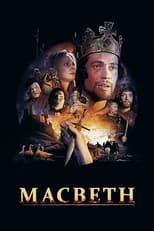
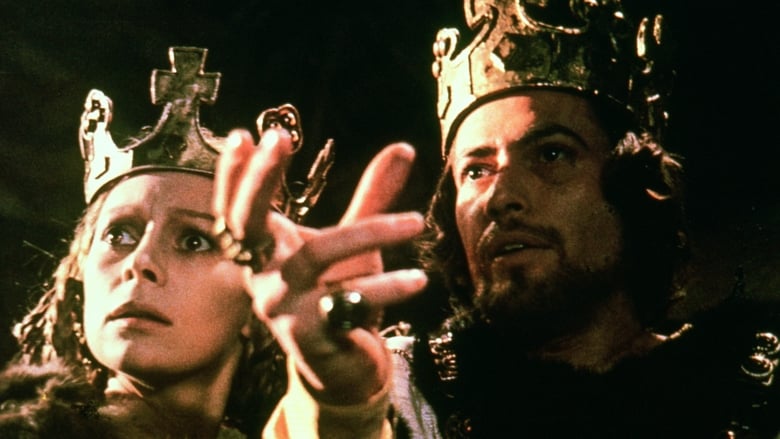
Roman Polanski’s 1971 adaptation of Macbeth is a film forged in the crucible of personal tragedy, and that darkness saturates every frame. Made in the immediate aftermath of the Manson family murder of his pregnant wife, Sharon Tate, Polanski’s take on Shakespeare’s tragedy is unrelentingly brutal and nihilistic, stripping away any romanticism to present a world of visceral, almost documentary-like violence. Co-written with the celebrated critic Kenneth Tynan, the film makes the radical choice to cast very young leads—Jon Finch and Francesca Annis—which shifts the dynamic from a seasoned couple’s calculated ambition to a raw, almost adolescent hunger for power. This is a Macbeth where the psychological descent is not just performed but physically manifested in a muddy, rain-soaked, and palpably cold medieval Scotland.
The film is notorious for its unflinching depiction of violence, most famously in the on-screen beheading of Macbeth and the gruesome slaughter of Macduff’s family, which directly channels the horror of the Manson killings into Shakespeare’s text. Polanski also introduces a unique epilogue not found in the play: after Macbeth’s death, his brother Donalbain rides to the witches’ lair, suggesting a cyclical, inescapable pattern of treachery and bloodshed. This addition, along with the film’s pervasive atmosphere of paranoia and internal ugliness, transforms the play’s meditation on ambition into a more modern, pessimistic statement on the endemic nature of evil. The famous sleepwalking scene is performed by Annis in the nude, a controversial choice that Polanski defended as a realistic portrayal of a mind so shattered that all defenses, physical and psychological, have crumbled.
Funded by Playboy Enterprises after major studios balked at the project, the production was notoriously troubled, plagued by relentless bad weather in Wales and Northumberland that only deepened the film’s sodden, miserable aesthetic. Upon release, it was a commercial failure in the United States and drew sharp criticism for its graphic content, with some reviewers accusing Polanski of gratuitous excess. However, the film’s reputation has grown considerably over the decades. It was named Best Film by the National Board of Review in 1972, and is now widely regarded as one of the most powerful and cinematically distinctive Shakespeare adaptations ever made, a landmark of 1970s cinema that filters a classic text through a lens of profound personal and cultural despair.

Macbeth is a tragedy by William Shakespeare, believed to have been first performed in 1606. It dramatizes the corrosive psychological and political effects of ambition as a Scottish general named Macbeth receives a prophecy from three witches that he will one day become King of Scotland. Spurred on by his wife, he murders King Duncan and seizes the throne, only to descend into paranoia, tyranny, and madness.
Shakespeare's shortest tragedy draws on Holinshed's Chronicles for its historical basis but takes considerable creative liberties with the real King Macbeth. The play is renowned for its exploration of guilt, fate, and the supernatural, and it contains some of the most famous passages in English literature, including the 'Tomorrow, and tomorrow, and tomorrow' soliloquy.
First published in the 1623 First Folio, Macbeth has been staged countless times and adapted into numerous films, operas, and other media. It remains one of Shakespeare's most frequently performed and studied works, and a theatrical superstition holds that the play's name should not be spoken inside a theater.