🎬 Gnomeo & Juliet (2011)
Part of Gnomeo & Juliet
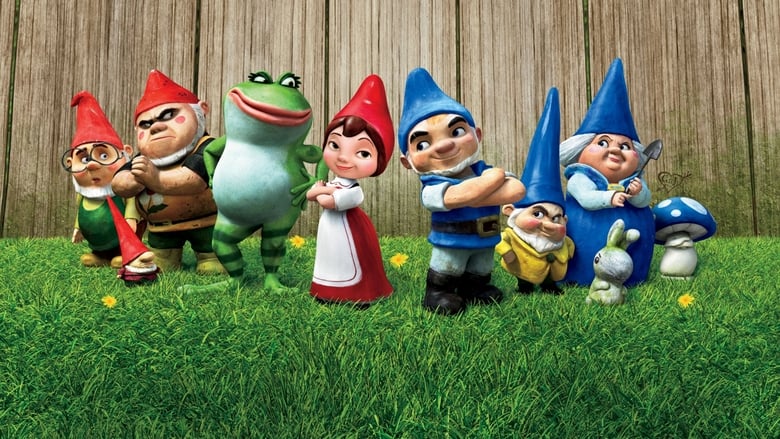
Kelly Asbury’s "Gnomeo & Juliet" transplants the quintessential tale of star-crossed lovers from the sun-baked piazzas of Verona to the whimsical, high-stakes world of suburban garden gnomes. The film cleverly reimagines the ancient grudge between the Montagues and Capulets as a turf war between the red-hatted and blue-hatted ceramic inhabitants of two adjoining English gardens. This animated adaptation retains the broad strokes of Shakespeare’s narrative—a forbidden romance that seeks to bridge a bitter divide—but fundamentally alters the tone, transforming a tragedy into a vibrant musical comedy. The core conflict is driven not by dueling swords but by lawnmower races and elaborate pranks, with the famous balcony scene recreated on a pile of dirt and flower pots, allowing the romance to blossom in a setting that is both playful and surprisingly heartfelt.
The film makes its most significant departure from the source material in its ending, which abandons the double suicide for a happy resolution that sees the feuding families united against a common, destructive enemy. This change is essential to the film’s identity as a family-friendly feature, ensuring that the young love between Gnomeo (James McAvoy) and Juliet (Emily Blunt) triumphs over adversity rather than succumbing to it. The script is packed with Shakespearean in-jokes and visual gags, from a statue of the Bard himself offering commentary on the plot to a pink plastic flamingo delivering a memorable rendition of Mercutio’s Queen Mab speech. The voice cast, which includes venerable British actors like Michael Caine and Maggie Smith as the feuding patriarchs, lends a theatrical gravitas that playfully contrasts with the absurdity of the garden setting.
Elton John’s involvement as an executive producer and the driving force behind the soundtrack is integral to the film’s identity, weaving his classic hits and new compositions into the narrative’s emotional fabric. The music provides a bridge between the classic story and its modern, irreverent retelling, with songs like "Crocodile Rock" and "Your Song" underscoring key moments of action and romance. The duet "Hello Hello," performed by Elton John and Lady Gaga, became a standout, earning award nominations and cementing the film’s place as a jukebox musical. This sonic landscape helps to smooth over the more radical narrative deviations, creating a cohesive and energetic experience that prioritizes charm and humor over strict fidelity to the play.
Upon its release in 2011, "Gnomeo & Juliet" received a mixed critical reception, with some reviewers praising its visual inventiveness and voice performances while others found the pun-heavy script and sanitized plot to be a shallow take on the classic. Nevertheless, it proved to be a solid box-office success, grossing nearly $194 million worldwide against a modest budget, demonstrating the enduring commercial appeal of Shakespeare’s story even in its most unconventional forms. The film’s popularity spawned a sequel, "Sherlock Gnomes," further expanding its universe of ceramic detectives and proving that this particular garden had more stories to tell, all while introducing a new generation to the timeless themes of love and rivalry, albeit through a decidedly cracked and colorful lens.

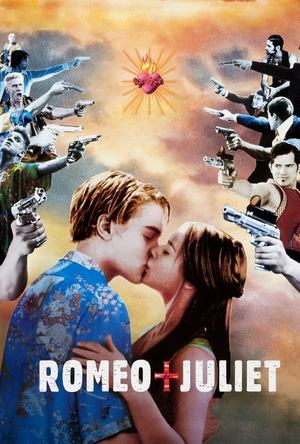
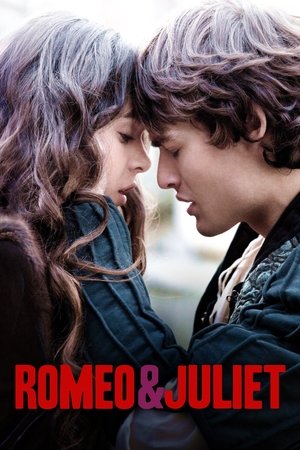
Romeo and Juliet is a tragedy written by William Shakespeare early in his career, believed to have been composed between 1591 and 1595. It tells the story of two young star-crossed lovers whose deaths ultimately reconcile their feuding families in the Italian city of Verona. The play is among Shakespeare's most popular works and, alongside Hamlet, remains one of his most frequently performed plays.
The plot draws on a long tradition of tragic romances stretching back to antiquity. Shakespeare's immediate sources were Arthur Brooke's 1562 narrative poem The Tragical History of Romeus and Juliet and William Painter's 1567 prose version in Palace of Pleasure, both of which derived from an Italian tale by Matteo Bandello. Shakespeare expanded the story significantly, developing supporting characters like Mercutio and Paris, and employing a sophisticated poetic structure that shifts between comedy and tragedy.
The play was first published in a quarto edition in 1597, though this early text was of poor quality. A more authoritative version appeared in the 1599 quarto. The title characters have since become the archetypal young lovers in Western culture, and the play has inspired countless adaptations across opera, ballet, musical theatre, film, and television.
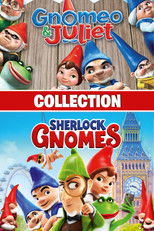
The "Gnomeo & Juliet" collection is a playful animated duology that transplants classic literary figures into the whimsical, miniature world of garden ornaments. The 2011 original, loosely inspired by Shakespeare's tragedy, reimagines the star-crossed lovers as ceramic gnomes from feuding neighboring gardens, complete with flamingo sidekicks, racing lawnmowers, and an Elton John–packed soundtrack. Its clever juxtaposition of high culture and low comedy, combined with vibrant visuals, demonstrated that even the Bard's most solemn tale could be reinvented as a cheeky, family-friendly farce about porch pride and plastic flamingos.
The collection's surprise success led to a sequel, but rather than simply extending the Capulet–Montague riff, "Sherlock Gnomes" (2018) boldly pivoted into detective mystery territory by introducing a gnome version of Sherlock Holmes. Set against a London backdrop of alleyway statuary and secret gnome societies, the film followed the titular sleuth and his sidekick Gnome Watson as they investigated the disappearances of their ceramic peers. While the creative ambition to merge Shakespeare's romantic farce with Arthur Conan Doyle's deductive thrills was admirable, the tonal patchwork and a production shift from Disney's Touchstone to Paramount and MGM resulted in a sequel that struggled to recapture the original's charm.
Despite its abbreviated arc, the "Gnomeo & Juliet" collection endures as a fascinating experiment in literary mash-up animation—one that dares to ask what happens when the timeless passions of Verona are scaled down to a suburban lawn, and then turned into a caper about a porcelain Holmes in a trench coat. The original film's lively fusion of Elton John's music, pun-heavy humor, and surprisingly poignant moments of self-discovery gave an improbable afterlife to a well-worn story, while the sequel's attempt to expand that world into a broader mystery-verse, though flawed, points to the ever-present pull of refashioning iconic characters for a new generation. Together, these two entries capture both the inventive highs and the narrative risks involved in building a family collection from the ground—or the flowerbed—up.