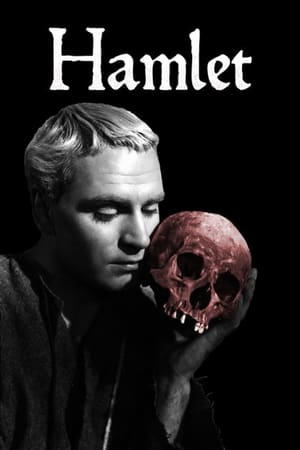
Hamlet, fully titled The Tragedy of Hamlet, Prince of Denmark, is a tragedy by William Shakespeare believed to have been written between 1599 and 1601. It is Shakespeare's longest play and is widely regarded as one of the most powerful and influential works in the English language. The play is set in Denmark and follows Prince Hamlet as he seeks to avenge the murder of his father, King Hamlet, by his uncle Claudius, who has seized the throne and married Hamlet's mother, Gertrude.
The play explores profound themes of revenge, madness, mortality, corruption, and the complexity of human action versus inaction. Hamlet's famous soliloquies, including To be, or not to be, have become cornerstones of world literature. Three early versions of the play survive: the First Quarto (1603), the Second Quarto (1604), and the First Folio (1623), each containing variations in text and structure. Shakespeare drew on earlier narratives, including the medieval Scandinavian legend of Amleth preserved by the 12th-century chronicler Saxo Grammaticus, as well as a lost Elizabethan play known as the Ur-Hamlet.
Hamlet's capacity for seemingly endless retelling and adaptation has made it one of the most adapted works in history, inspiring countless stage productions, films, novels, operas, and reinterpretations across cultures and centuries. Its psychological depth and philosophical richness continue to invite new readings, making it a touchstone of dramatic literature worldwide.