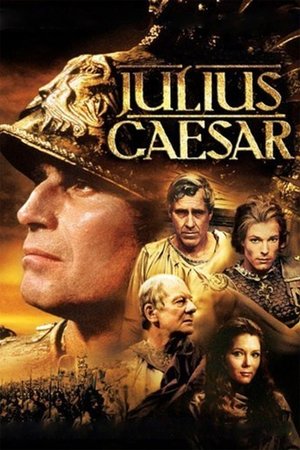
The Tragedy of Julius Caesar, often shortened to Julius Caesar, is a historical tragedy by William Shakespeare, believed to have been written and first performed in 1599. The play dramatizes the conspiracy against the Roman dictator Julius Caesar, his assassination, and the subsequent civil war that leads to the downfall of the conspirators. Drawing primarily from Sir Thomas North's 1579 translation of Plutarch's Parallel Lives, Shakespeare crafts a narrative that explores themes of political ambition, loyalty, rhetoric, and the moral complexities of public duty versus personal allegiance.
Although the play is named after Caesar, its central figure is often considered to be Brutus, whose internal conflict between his friendship with Caesar and his commitment to the Roman Republic drives the tragedy. The play was among the first performed at the Globe Theatre and has remained one of Shakespeare's most frequently staged works. Its famous speeches, including Mark Antony's "Friends, Romans, countrymen" and Brutus's "Not that I loved Caesar less, but that I loved Rome more," have become enduring touchstones in literature and political discourse. The play has been adapted numerous times for film, television, and stage, and continues to be studied for its insights into power, persuasion, and the fragility of democratic institutions.