Henry IV, Part 1 and Henry IV, Part 2 are history plays by William Shakespeare, written around 1596–1599. They form the second and third parts of a tetralogy that begins with Richard II and concludes with Henry V. The plays chronicle the reign of King Henry IV, who usurped the throne from Richard II, and his troubled relationship with his son, Prince Hal. A significant portion of the drama focuses on Hal's wild youth spent in the taverns of Eastcheap with the dissolute, larger-than-life knight Sir John Falstaff, before Hal must reject that life to assume his royal responsibilities.
The plays masterfully blend high political drama with low comedy, contrasting the serious world of rebellion and court intrigue with the chaotic, witty, and poignant world of Falstaff and his companions. They explore themes of honor, power, father-son relationships, and the transformation of a seemingly wayward prince into a legendary king. The character of Falstaff became one of Shakespeare's most beloved creations, a figure of immense appetite, wit, and cowardice who serves as a surrogate father to Hal.
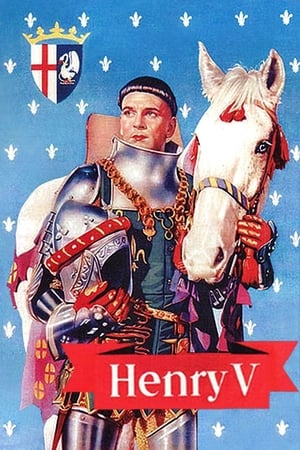
Henry V, written around 1599, completes the arc of Prince Hal, now King Henry V. The play focuses on his invasion of France and the miraculous English victory at the Battle of Agincourt. It portrays Henry as a mature, charismatic, and shrewd leader, a stark contrast to the reckless youth of the earlier plays. The play is famous for its rousing speeches, including the St. Crispin's Day speech, and its exploration of the burdens of kingship and the morality of war.