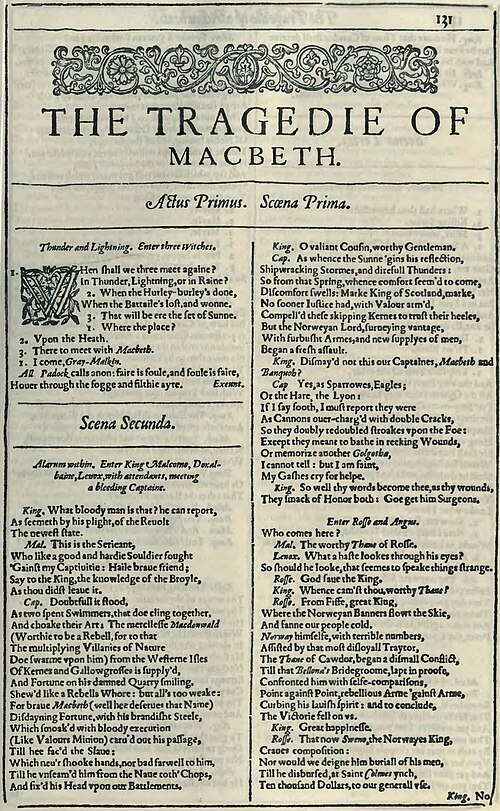
Macbeth is a tragedy by William Shakespeare, believed to have been first performed in 1606. It dramatizes the corrosive psychological and political effects of ambition as a Scottish general named Macbeth receives a prophecy from three witches that he will one day become King of Scotland. Spurred on by his wife, he murders King Duncan and seizes the throne, only to descend into paranoia, tyranny, and madness.
Shakespeare's shortest tragedy draws on Holinshed's Chronicles for its historical basis but takes considerable creative liberties with the real King Macbeth. The play is renowned for its exploration of guilt, fate, and the supernatural, and it contains some of the most famous passages in English literature, including the 'Tomorrow, and tomorrow, and tomorrow' soliloquy.
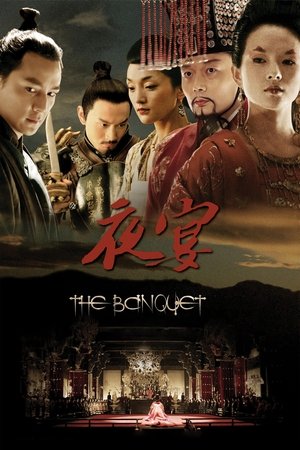
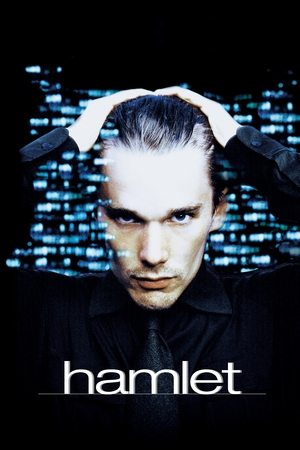
First published in the 1623 First Folio, Macbeth has been staged countless times and adapted into numerous films, operas, and other media. It remains one of Shakespeare's most frequently performed and studied works, and a theatrical superstition holds that the play's name should not be spoken inside a theater.