🎬 Case Closed: Zero the Enforcer (2018)
Part of Detective Conan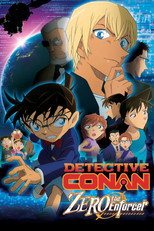
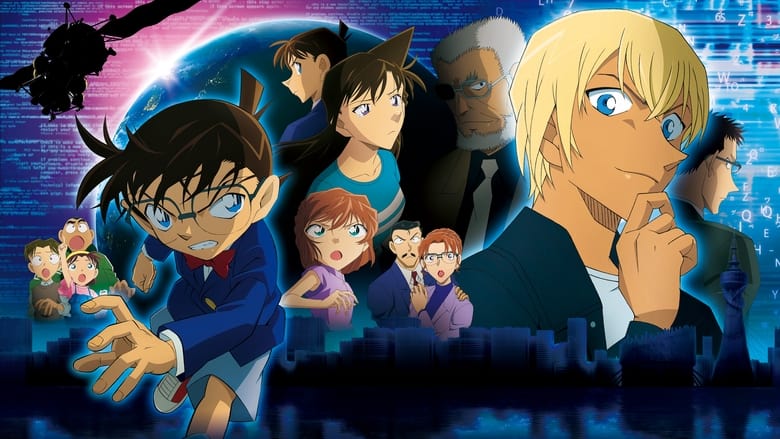
The twenty-second installment in the long-running Case Closed film franchise, Zero the Enforcer takes a bold step by shifting its spotlight away from the titular pint-sized detective and onto one of the series' most enigmatic figures: Toru Amuro, also known as Rei Furuya, the triple-agent operative of the Black Organization, the Japanese Public Security Bureau, and the private eye who works under Kogoro Mouri. The film cleverly uses its high-stakes premise—a terrorist attack on a Tokyo Bay summit venue—to frame Kogoro for a crime he didn't commit, forcing Conan into an uneasy alliance with a man whose true loyalties are perpetually in question. This narrative choice not only deepens the lore surrounding Amuro, a fan-favorite character whose popularity had skyrocketed in Japan, but also allows the film to explore themes of justice and national security from the perspective of those who operate in the shadows of the law.
The adaptation distinguishes itself from the manga's typical murder-mystery format by embracing a techno-thriller aesthetic, centering its plot on the vulnerabilities of the Internet of Things (IoT). The antagonist exploits networked household appliances to cause chaos across Tokyo, a modern twist that updates the franchise's classic puzzle-box structure for a contemporary audience. Director Yuzuru Tachikawa, known for his dynamic work on Mob Psycho 100, injects the film with a kinetic energy, particularly during a breathtaking car chase sequence involving Amuro's iconic Mazda RX-7 that became an instant classic among fans. While the manga's core cast remains present, the intellectual duel is primarily between Conan's deductive reasoning and Amuro's ruthless, state-sanctioned pragmatism, creating a compelling ideological friction that is rarely explored so directly in the source material.
Upon its release in April 2018, Zero the Enforcer became a monumental box office phenomenon in Japan, ultimately grossing over $107 million worldwide and becoming the highest-grossing film in the franchise's history at that time. Its success was fueled significantly by the "Amuro effect," a term coined by Japanese media to describe the character's massive appeal, particularly among female audiences. The film's theme song, "Zero -ZERO-" by Masaharu Fukuyama, also topped charts, further cementing the movie's cultural footprint. Critics and fans praised the film for its slick animation and the elevated role given to Amuro, though some noted that the labyrinthine conspiracy plot, involving the Attorney-General's office and public prosecutors, could be challenging to follow for viewers not deeply versed in the series' extensive lore.
In the broader context of the Case Closed adaptations, Zero the Enforcer represents a high-water mark for the films' ambition, successfully leveraging a popular supporting character to tell a story that feels both intimately connected to the manga's world and thrillingly distinct in its execution. It stands as a testament to the franchise's ability to evolve and experiment within its established framework, proving that even after two decades of annual films, there were still fresh and exciting stories to be told by looking beyond Conan's immediate circle.

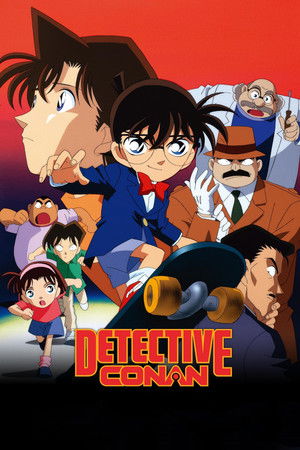
Case Closed, known in Japan as Detective Conan, is a long-running Japanese manga series written and illustrated by Gosho Aoyama. First serialized in Shogakukan's Weekly Shōnen Sunday magazine in January 1994, the series has become one of the best-selling manga of all time, with over 270 million copies in circulation worldwide. The story follows Shinichi Kudo, a brilliant high school detective who is transformed into a child's body after being poisoned by a mysterious criminal syndicate. Adopting the alias Conan Edogawa, he continues to solve complex criminal cases while secretly investigating the organization that shrank him, all while living with his childhood friend Ran Mouri and her bumbling private detective father.
The manga masterfully blends intricate whodunit mysteries with an overarching thriller narrative centered on the shadowy Black Organization. Aoyama's work is celebrated for its clever plotting, forensic detail, and a vast cast of recurring characters including rival detectives, FBI agents, and fellow victims of the organization's experiments. The series has spawned a massive media franchise encompassing an ongoing anime television series, animated feature films, video games, and live-action specials, cementing its status as a cornerstone of modern Japanese popular culture.
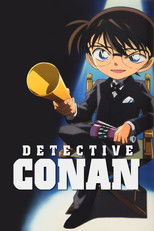
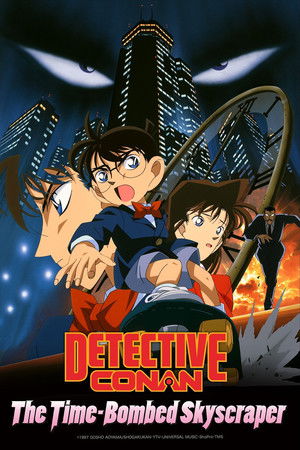
The *Detective Conan* film series is a long-running collection of animated feature films based on Gosho Aoyama's celebrated manga and anime franchise. Beginning in 1997 with *The Time Bombed Skyscraper*, the series has become an annual cinematic tradition in Japan, with new installments released each year. These films expand the universe of the diminutive detective Conan Edogawa, taking the core elements of the series—intricate mysteries, clever deductions, and a colorful cast of characters—and amplifying them with higher stakes, more elaborate set pieces, and a grander scale than the weekly television episodes typically allow. While the films are largely standalone mysteries, they often incorporate elements from the overarching narrative, particularly the ongoing conflict with the shadowy Black Organization, and provide deeper exploration of fan-favorite characters like the phantom thief Kaito Kid or the FBI agent Shuichi Akai. Over the decades, the series has evolved from relatively grounded whodunits to blockbuster spectacles involving international terrorism, advanced technology, and large-scale disasters, yet it consistently returns to the emotional core of Conan's quest to reclaim his true identity as Shinichi Kudo and his protective relationship with Ran Mouri. The films are known for their blend of suspense, humor, and heartfelt moments, making them accessible to both dedicated followers and casual viewers. As a cornerstone of Japanese popular culture, the *Detective Conan* films have achieved remarkable box office success, often ranking among the highest-grossing domestic releases of their respective years, and have contributed significantly to the franchise's enduring global legacy.