🎬 Detective Conan: The Private Eyes' Requiem (2006)
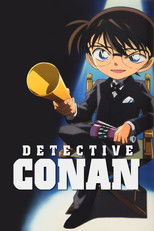
Part of Detective Conan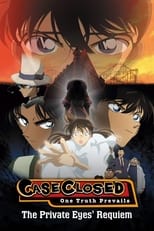
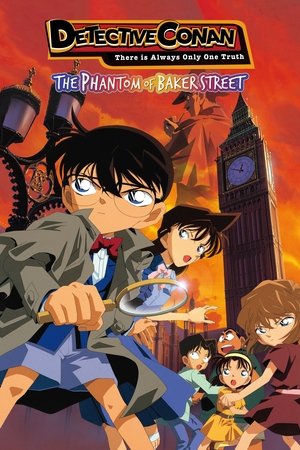
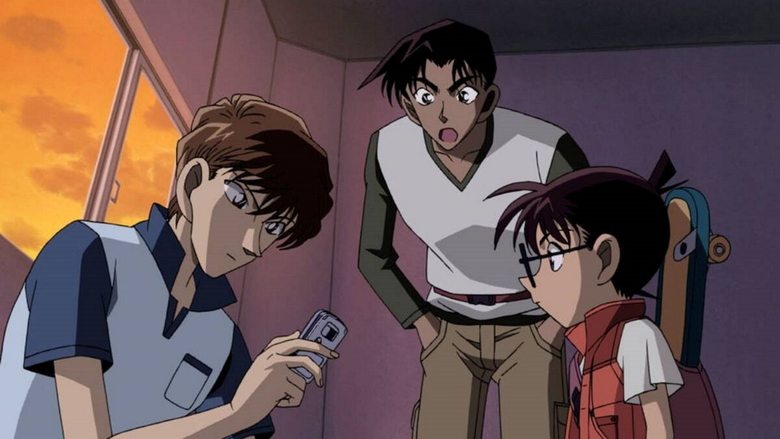
Arriving as the tenth installment in the long-running Case Closed film franchise, Detective Conan: The Private Eyes' Requiem was designed as a grand anniversary celebration, and it wears that ambition on its sleeve. The film throws an enormous cast of fan-favorite characters into a high-stakes pressure cooker, strapping explosive wristbands to Conan and his allies and forcing them to solve a labyrinthine mystery within a strict time limit at the Miracle Land theme park. This ticking-clock premise, reminiscent of the earlier film The Phantom of Baker Street, immediately raises the tension beyond a typical whodunit, transforming the entire amusement park into a gilded cage where a single wrong deduction could mean death for Ran, Kazuha, Sonoko, and the young Detective Boys.
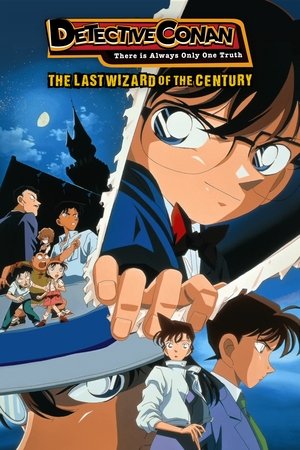
The film distinguishes itself through its sheer density of detective talent. It marks a rare convergence where Shinichi Kudo (in his Conan form), Heiji Hattori, and the phantom thief Kaito Kid all operate within the same narrative space, with Kid adding an extra layer of deception by impersonating the detective Saguru Hakuba. This crossover appeal was a deliberate treat for the franchise’s tenth anniversary, rewarding long-time viewers with interactions that the weekly series could only tease. The animation takes full advantage of its setting, staging a breathless finale that involves a runaway roller coaster and a desperate attempt to disarm a bomb, showcasing the kind of large-scale spectacle that had become a hallmark of the annual films by 2006.
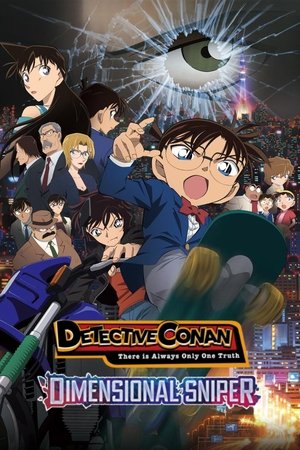
Critically and commercially, The Private Eyes' Requiem proved to be a massive success, earning over 3 billion yen at the Japanese box office and setting records internationally, most notably in Taipei where it held the title of the highest-grossing film in the series for eight years until being dethroned by Dimensional Sniper in 2014. The film’s tagline, "Detectives, I hope you will sleep forever," captured its darker, more threatening tone, even as it balanced the danger with the clever puzzle-solving that defines the source material. A small but notable piece of trivia for dedicated fans is that this remains the only film in the entire series where the character Mitsuhiko Tsuburaya is voiced by a substitute actor rather than his regular voice actress, Ikue Ohtani, due to her maternity leave at the time of production.

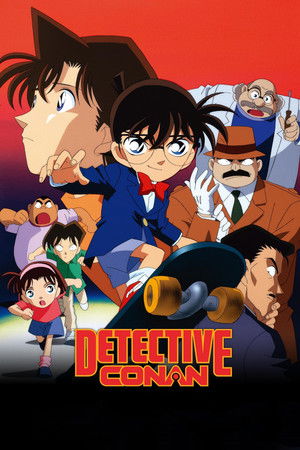
Case Closed, known in Japan as Detective Conan, is a long-running Japanese manga series written and illustrated by Gosho Aoyama. First serialized in Shogakukan's Weekly Shōnen Sunday magazine in January 1994, the series has become one of the best-selling manga of all time, with over 270 million copies in circulation worldwide. The story follows Shinichi Kudo, a brilliant high school detective who is transformed into a child's body after being poisoned by a mysterious criminal syndicate. Adopting the alias Conan Edogawa, he continues to solve complex criminal cases while secretly investigating the organization that shrank him, all while living with his childhood friend Ran Mouri and her bumbling private detective father.
The manga masterfully blends intricate whodunit mysteries with an overarching thriller narrative centered on the shadowy Black Organization. Aoyama's work is celebrated for its clever plotting, forensic detail, and a vast cast of recurring characters including rival detectives, FBI agents, and fellow victims of the organization's experiments. The series has spawned a massive media franchise encompassing an ongoing anime television series, animated feature films, video games, and live-action specials, cementing its status as a cornerstone of modern Japanese popular culture.
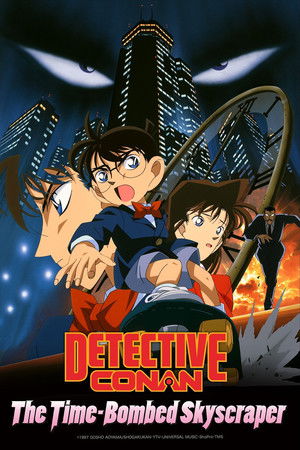
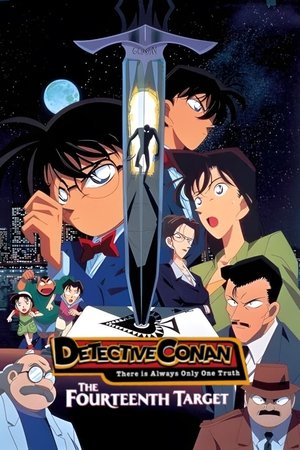
The *Detective Conan* film series is a long-running collection of animated feature films based on Gosho Aoyama's celebrated manga and anime franchise. Beginning in 1997 with *The Time Bombed Skyscraper*, the series has become an annual cinematic tradition in Japan, with new installments released each year. These films expand the universe of the diminutive detective Conan Edogawa, taking the core elements of the series—intricate mysteries, clever deductions, and a colorful cast of characters—and amplifying them with higher stakes, more elaborate set pieces, and a grander scale than the weekly television episodes typically allow. While the films are largely standalone mysteries, they often incorporate elements from the overarching narrative, particularly the ongoing conflict with the shadowy Black Organization, and provide deeper exploration of fan-favorite characters like the phantom thief Kaito Kid or the FBI agent Shuichi Akai. Over the decades, the series has evolved from relatively grounded whodunits to blockbuster spectacles involving international terrorism, advanced technology, and large-scale disasters, yet it consistently returns to the emotional core of Conan's quest to reclaim his true identity as Shinichi Kudo and his protective relationship with Ran Mouri. The films are known for their blend of suspense, humor, and heartfelt moments, making them accessible to both dedicated followers and casual viewers. As a cornerstone of Japanese popular culture, the *Detective Conan* films have achieved remarkable box office success, often ranking among the highest-grossing domestic releases of their respective years, and have contributed significantly to the franchise's enduring global legacy.