🎬 Detective Conan: Sunflowers of Inferno (2015)
Part of Detective Conan
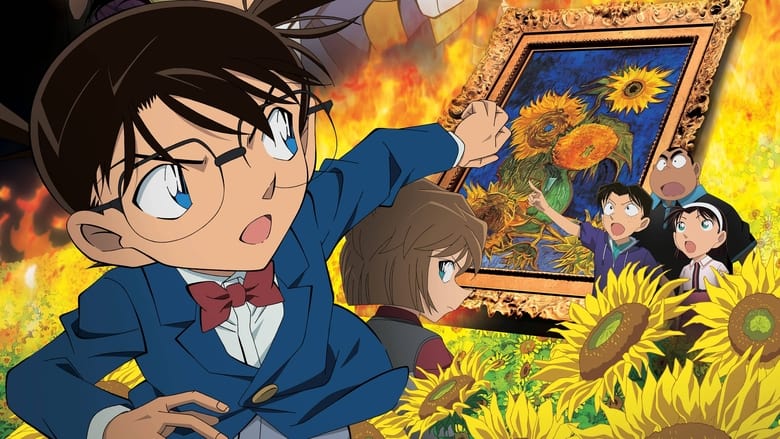
The nineteenth film in the long-running Detective Conan franchise, Sunflowers of Inferno, takes the series’ signature blend of high-stakes heists and deductive reasoning and paints it across an international canvas. Directed by Kobun Shizuno, the film centers on a fictional second version of Van Gogh’s famous Sunflowers painting, supposedly thought destroyed during World War II, which resurfaces at a New York auction. The flamboyant billionaire Jirokichi Suzuki secures the masterpiece for a staggering $300 million, setting the stage for an audacious plan to gather all seven Sunflowers paintings in a single, fortress-like gallery in Japan. This premise immediately raises the dramatic tension by putting an irreplaceable piece of art history directly in the crosshairs of the franchise’s most charismatic phantom thief, Kaito Kid.
The film distinguishes itself from other entries by heavily featuring Kaito Kid not merely as a mischievous antagonist but as a complex wildcard whose true motives remain shrouded in mystery. His dramatic announcement at a press conference and subsequent escape, punctuated by a flashbang and a surprise appearance from Shinichi Kudo, kickstarts a globe-trotting narrative that moves from the skyscrapers of New York to a high-tech Japanese museum built into a cliff. The introduction of the “Seven Samurai,” a team of specialists assembled to protect the paintings, adds a colorful ensemble cast that includes a New York police inspector named Charlie, who harbors a personal vendetta against Kid. This setup allows the film to explore themes of artistic obsession and the blurred lines between preservation and destruction, all while Conan works to unravel a plot that threatens to quite literally bring the house down.
Visually, Sunflowers of Inferno is a spectacle, leveraging its art-world setting for sequences that are as beautiful as they are tense. The climax, involving a desperate fight aboard a cargo plane and a cascading disaster at the gallery, pushes the laws of physics in the grand tradition of Conan films, prioritizing emotional payoff and visual flair over strict realism. While the mystery itself is a tightly wound clockwork of misdirection, the film’s heart lies in its quieter moments, particularly the poignant backstory it weaves for the painting itself, connecting it to a tragic tale of love and loss in wartime Japan. This emotional core elevates the film beyond a simple cat-and-mouse game, giving the titular Sunflowers a symbolic weight that resonates through the explosive finale.
Upon its release in April 2015, the film was a massive commercial success in Japan, continuing the franchise’s unbroken streak of box office dominance. Fans and critics praised its ambitious scale and the compelling dynamic between Conan and Kid, though some noted the plot’s reliance on a series of increasingly improbable action set-pieces. As a self-contained story that requires little knowledge of the manga’s central Black Organization plot, it serves as both an accessible entry point for newcomers and a satisfying, high-octane adventure for longtime followers, cementing its place as a memorable chapter in the cinematic saga of the pint-sized detective.

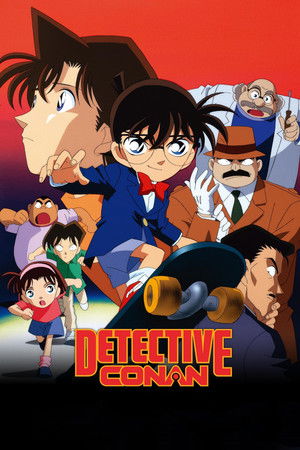
Case Closed, known in Japan as Detective Conan, is a long-running Japanese manga series written and illustrated by Gosho Aoyama. First serialized in Shogakukan's Weekly Shōnen Sunday magazine in January 1994, the series has become one of the best-selling manga of all time, with over 270 million copies in circulation worldwide. The story follows Shinichi Kudo, a brilliant high school detective who is transformed into a child's body after being poisoned by a mysterious criminal syndicate. Adopting the alias Conan Edogawa, he continues to solve complex criminal cases while secretly investigating the organization that shrank him, all while living with his childhood friend Ran Mouri and her bumbling private detective father.
The manga masterfully blends intricate whodunit mysteries with an overarching thriller narrative centered on the shadowy Black Organization. Aoyama's work is celebrated for its clever plotting, forensic detail, and a vast cast of recurring characters including rival detectives, FBI agents, and fellow victims of the organization's experiments. The series has spawned a massive media franchise encompassing an ongoing anime television series, animated feature films, video games, and live-action specials, cementing its status as a cornerstone of modern Japanese popular culture.
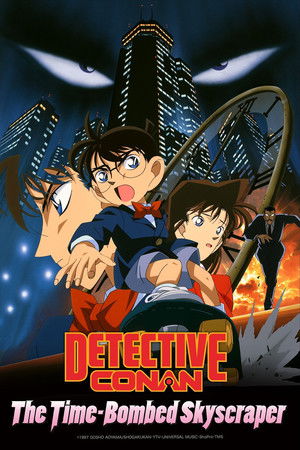
The *Detective Conan* film series is a long-running collection of animated feature films based on Gosho Aoyama's celebrated manga and anime franchise. Beginning in 1997 with *The Time Bombed Skyscraper*, the series has become an annual cinematic tradition in Japan, with new installments released each year. These films expand the universe of the diminutive detective Conan Edogawa, taking the core elements of the series—intricate mysteries, clever deductions, and a colorful cast of characters—and amplifying them with higher stakes, more elaborate set pieces, and a grander scale than the weekly television episodes typically allow. While the films are largely standalone mysteries, they often incorporate elements from the overarching narrative, particularly the ongoing conflict with the shadowy Black Organization, and provide deeper exploration of fan-favorite characters like the phantom thief Kaito Kid or the FBI agent Shuichi Akai. Over the decades, the series has evolved from relatively grounded whodunits to blockbuster spectacles involving international terrorism, advanced technology, and large-scale disasters, yet it consistently returns to the emotional core of Conan's quest to reclaim his true identity as Shinichi Kudo and his protective relationship with Ran Mouri. The films are known for their blend of suspense, humor, and heartfelt moments, making them accessible to both dedicated followers and casual viewers. As a cornerstone of Japanese popular culture, the *Detective Conan* films have achieved remarkable box office success, often ranking among the highest-grossing domestic releases of their respective years, and have contributed significantly to the franchise's enduring global legacy.