🎬 Detective Conan: Magician of the Silver Sky (2004)
Part of Detective Conan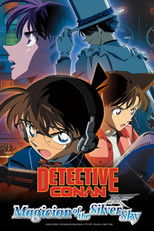
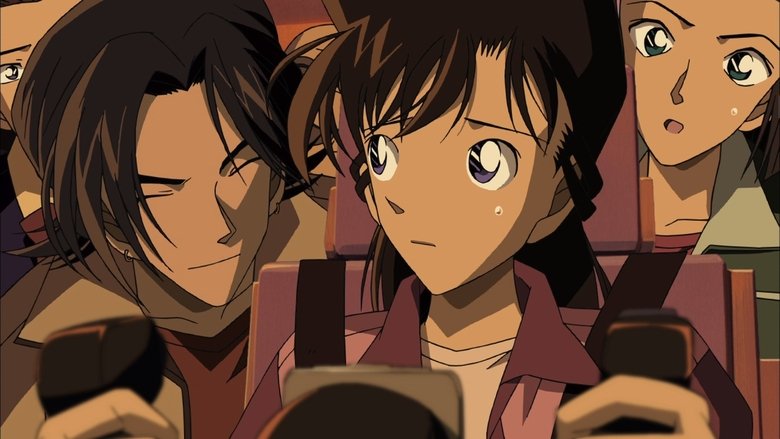
The eighth installment in the beloved annual film franchise, "Magician of the Silver Sky" takes the series' classic formula to new heights—literally—by setting its central murder mystery aboard a Boeing 747 in flight. The film cleverly opens with a classic heist setup, bringing back fan-favorite phantom thief Kaito Kid, who once again disguises himself as Shinichi Kudo to toy with his audience before making a dramatic escape. This opening act serves as a thrilling appetizer, but the main course is a locked-room mystery in the sky, where stage actress Julie is poisoned after coming into physical contact with nearly everyone on the plane, turning all passengers into suspects.
The film distinguishes itself from other entries in the franchise through its high-stakes aviation setting and a rare moment in the spotlight for Eri Kisaki, Ran's mother and a brilliant lawyer. In a delightful twist of fate, Conan's attempt to tranquilize Kogoro during a turbulent storm accidentally hits Eri instead, forcing her to take on the role of the "Sleeping Detective" and deliver the deductions. This comedic mishap not only provides fresh humor but also showcases Eri's sharp legal mind, making her a capable and entertaining substitute for the usual detective duo. The claustrophobic airplane environment amplifies the tension, as the murder investigation unfolds alongside the very real danger of a pilot incapacitation, requiring Conan to rely on his wits and even take the controls with guidance from air traffic control.
Visually, the film makes impressive use of its airborne setting, with sweeping shots of the 747 against the night sky and tense sequences in the cockpit that heighten the disaster-movie elements. The mystery itself is tightly constructed, with the culprit—makeup artist Natsuki—revealed through a chain of deductions involving poison application and physical contact. While the film does not advance the overarching Black Organization plot that defines the manga, it excels as a standalone thriller that balances character moments, humor, and suspense. The dynamic between Conan and Kaito Kid in the opening act also reinforces the cat-and-mouse rivalry that fans adore, even if Kid vanishes for the remainder of the story.
Released in April 2004, "Magician of the Silver Sky" was a commercial success, grossing 2.8 billion yen at the Japanese box office and continuing the franchise's streak of annual hits. It remains a standout entry for its unique setting and the rare decision to sideline Kogoro in favor of Eri, giving long-time viewers a refreshing change of pace. The film exemplifies how the Detective Conan movies can take the core elements of the manga—ingenious deductions, colorful characters, and high-stakes scenarios—and amplify them into cinematic spectacles that feel both familiar and thrillingly new.

Case Closed, known in Japan as Detective Conan, is a long-running Japanese manga series written and illustrated by Gosho Aoyama. First serialized in Shogakukan's Weekly Shōnen Sunday magazine in January 1994, the series has become one of the best-selling manga of all time, with over 270 million copies in circulation worldwide. The story follows Shinichi Kudo, a brilliant high school detective who is transformed into a child's body after being poisoned by a mysterious criminal syndicate. Adopting the alias Conan Edogawa, he continues to solve complex criminal cases while secretly investigating the organization that shrank him, all while living with his childhood friend Ran Mouri and her bumbling private detective father.
The manga masterfully blends intricate whodunit mysteries with an overarching thriller narrative centered on the shadowy Black Organization. Aoyama's work is celebrated for its clever plotting, forensic detail, and a vast cast of recurring characters including rival detectives, FBI agents, and fellow victims of the organization's experiments. The series has spawned a massive media franchise encompassing an ongoing anime television series, animated feature films, video games, and live-action specials, cementing its status as a cornerstone of modern Japanese popular culture.
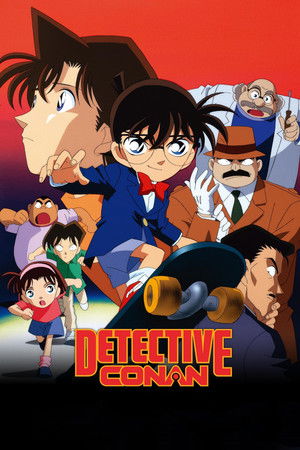
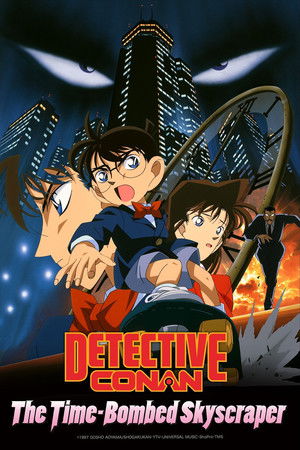
The *Detective Conan* film series is a long-running collection of animated feature films based on Gosho Aoyama's celebrated manga and anime franchise. Beginning in 1997 with *The Time Bombed Skyscraper*, the series has become an annual cinematic tradition in Japan, with new installments released each year. These films expand the universe of the diminutive detective Conan Edogawa, taking the core elements of the series—intricate mysteries, clever deductions, and a colorful cast of characters—and amplifying them with higher stakes, more elaborate set pieces, and a grander scale than the weekly television episodes typically allow. While the films are largely standalone mysteries, they often incorporate elements from the overarching narrative, particularly the ongoing conflict with the shadowy Black Organization, and provide deeper exploration of fan-favorite characters like the phantom thief Kaito Kid or the FBI agent Shuichi Akai. Over the decades, the series has evolved from relatively grounded whodunits to blockbuster spectacles involving international terrorism, advanced technology, and large-scale disasters, yet it consistently returns to the emotional core of Conan's quest to reclaim his true identity as Shinichi Kudo and his protective relationship with Ran Mouri. The films are known for their blend of suspense, humor, and heartfelt moments, making them accessible to both dedicated followers and casual viewers. As a cornerstone of Japanese popular culture, the *Detective Conan* films have achieved remarkable box office success, often ranking among the highest-grossing domestic releases of their respective years, and have contributed significantly to the franchise's enduring global legacy.