🎬 Detective Conan: Dimensional Sniper (2014)
Part of Detective Conan
The eighteenth installment in the long-running Detective Conan film franchise, Dimensional Sniper shifts the series’ focus from intricate locked-room puzzles to a high-octane, military-style thriller. Directed by Kobun Shizuno, the 2014 film plunges the pint-sized detective into a cat-and-mouse game with a mysterious marksman terrorizing Tokyo. The story kicks off at the unveiling of the Bell Tree Tower, where a guest is shot by a sniper from an impossible distance, setting off a frantic investigation that ropes in the FBI and introduces a distinctly international flavor rarely seen in the main manga’s more domestic cases.
What sets this adaptation apart from Gosho Aoyama’s source material is its heavy reliance on American military lore and action set-pieces. The plot revolves around Timothy Hunter, a former Navy SEAL and Silver Star recipient, pulling Conan into a web of ex-military personnel and black-market weapon suppliers. This marks a significant departure from the manga’s typical focus on classic whodunits, instead embracing a conspiracy thriller tone complete with car chases, explosions, and sniper duels. The film also gives a prominent role to Masumi Sera, the tomboyish high school detective introduced in the manga, allowing her to showcase her athleticism and deductive skills alongside Conan in a high-stakes pursuit.
Critically, Dimensional Sniper was a commercial juggernaut, continuing the franchise’s tradition of dominating the Japanese box office. It was praised for its slick animation and tense action sequences, particularly the climactic confrontation at the tower. However, some purists noted that the complex, clue-based mystery solving that defines the series took a backseat to spectacle. The film’s portrayal of the FBI, including recurring character Jodie Starling, further expanded the Conan universe’s scope, reinforcing the idea that the battle against crime—and eventually the Black Organization—is a global affair.
In the broader context of the Detective Conan films, Dimensional Sniper represents a confident stride into blockbuster territory, prioritizing scale and adrenaline over cerebral puzzles. It’s a thrilling ride that tests Conan’s resourcefulness against a physically overwhelming foe, proving that even without his teenage body, Shinichi Kudo’s mind can outmatch a trained killer. For fans, it remains a standout entry for its sheer momentum and the rare sight of Conan operating in a world of military-grade intrigue.

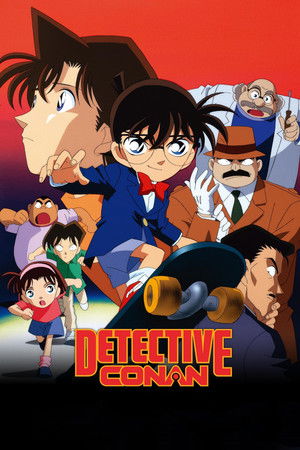
Case Closed, known in Japan as Detective Conan, is a long-running Japanese manga series written and illustrated by Gosho Aoyama. First serialized in Shogakukan's Weekly Shōnen Sunday magazine in January 1994, the series has become one of the best-selling manga of all time, with over 270 million copies in circulation worldwide. The story follows Shinichi Kudo, a brilliant high school detective who is transformed into a child's body after being poisoned by a mysterious criminal syndicate. Adopting the alias Conan Edogawa, he continues to solve complex criminal cases while secretly investigating the organization that shrank him, all while living with his childhood friend Ran Mouri and her bumbling private detective father.
The manga masterfully blends intricate whodunit mysteries with an overarching thriller narrative centered on the shadowy Black Organization. Aoyama's work is celebrated for its clever plotting, forensic detail, and a vast cast of recurring characters including rival detectives, FBI agents, and fellow victims of the organization's experiments. The series has spawned a massive media franchise encompassing an ongoing anime television series, animated feature films, video games, and live-action specials, cementing its status as a cornerstone of modern Japanese popular culture.
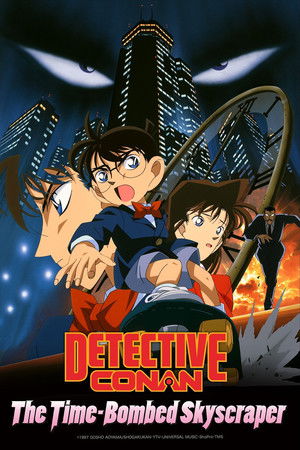
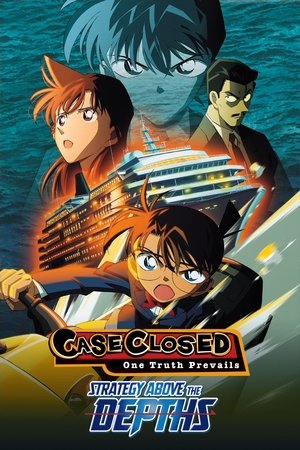
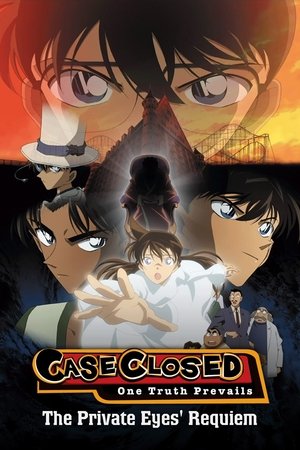
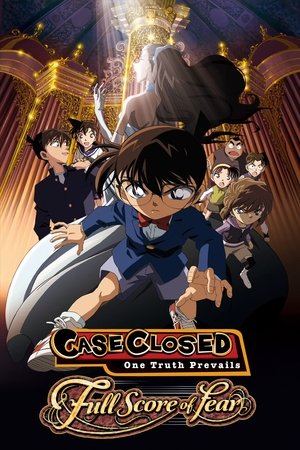
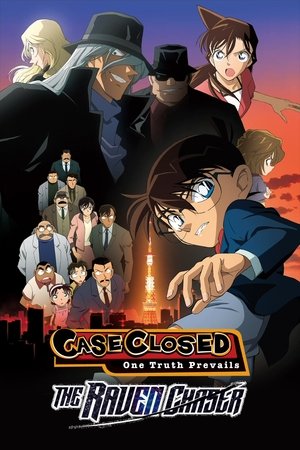
The *Detective Conan* film series is a long-running collection of animated feature films based on Gosho Aoyama's celebrated manga and anime franchise. Beginning in 1997 with *The Time Bombed Skyscraper*, the series has become an annual cinematic tradition in Japan, with new installments released each year. These films expand the universe of the diminutive detective Conan Edogawa, taking the core elements of the series—intricate mysteries, clever deductions, and a colorful cast of characters—and amplifying them with higher stakes, more elaborate set pieces, and a grander scale than the weekly television episodes typically allow. While the films are largely standalone mysteries, they often incorporate elements from the overarching narrative, particularly the ongoing conflict with the shadowy Black Organization, and provide deeper exploration of fan-favorite characters like the phantom thief Kaito Kid or the FBI agent Shuichi Akai. Over the decades, the series has evolved from relatively grounded whodunits to blockbuster spectacles involving international terrorism, advanced technology, and large-scale disasters, yet it consistently returns to the emotional core of Conan's quest to reclaim his true identity as Shinichi Kudo and his protective relationship with Ran Mouri. The films are known for their blend of suspense, humor, and heartfelt moments, making them accessible to both dedicated followers and casual viewers. As a cornerstone of Japanese popular culture, the *Detective Conan* films have achieved remarkable box office success, often ranking among the highest-grossing domestic releases of their respective years, and have contributed significantly to the franchise's enduring global legacy.