🎬 Detective Conan: Crossroad in the Ancient Capital (2003)
Part of Detective Conan
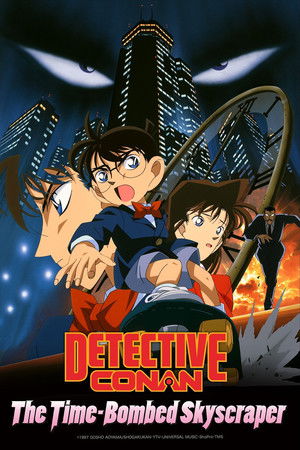
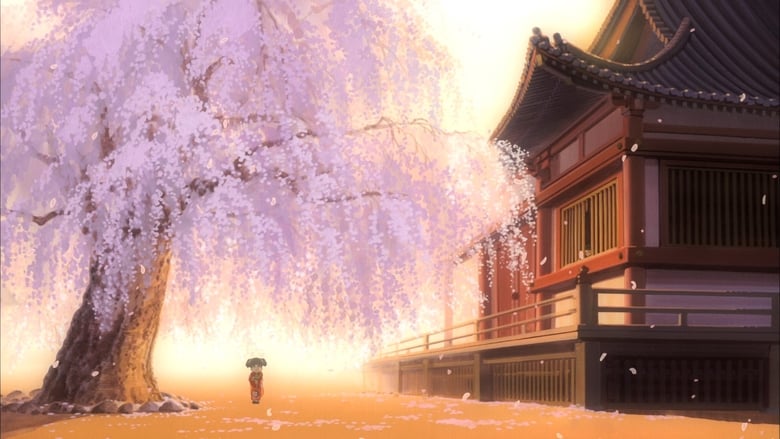
Detective Conan: Crossroad in the Ancient Capital stands as a pivotal entry in the long-running film franchise, not only for its intricate mystery but for marking the end of an era. This 2003 feature was the seventh film in the series and the final one helmed by director Kenji Kodama, who had shaped the cinematic identity of Conan Edogawa since the very first movie, The Time Bombed Skyscraper. His departure after this film handed the reins to Yasuichiro Yamamoto, making Crossroad a significant transitional work. It was also a technical milestone, being the first Conan film produced entirely with traditional digital paint, a shift that gave the ancient settings of Kyoto a crisp, vibrant clarity, with Studio A-CAT handling the 3D graphics.
The film distinguishes itself by leaning heavily into Japanese history and culture, weaving its central mystery around the Genji Hotaru, a band of antique art thieves, and a killer wielding traditional weapons like swords and bows. The plot sends Conan and Heiji Hattori, the Osakan high school detective, on a chase through Tokyo, Osaka, and the historic streets of Kyoto to stop a serial murderer who wears a haunting Noh mask. This deep dive into Kyoto’s geography and lore, including its temples and the famous tale of Yoshitsune and Benkei, gives the film a unique flavor compared to its more technologically focused predecessors, grounding the detective work in classical riddles and historical landmarks.
A key element of this adaptation is its focus on the friendship and rivalry between Conan and Heiji, pushing Ran Mouri somewhat into the background to spotlight the dynamic duo. The film even toys with the franchise’s central tragedy, as Heiji gets a brief, tantalizing glimpse of what Conan truly looks like as Shinichi Kudo, though his concussion-induced amnesia conveniently resets the status quo. This narrative choice allows the movie to explore the emotional core of Conan’s double life in a fresh way, using Heiji’s perspective to highlight the absurdity and loneliness of Shinichi’s condition, all while delivering the sharp banter and competitive sleuthing fans adore.
Upon its release on April 19, 2003, Crossroad in the Ancient Capital was a commercial success, grossing ¥3.2 billion and cementing the annual film’s place as a box-office staple. Critics and fans often praise it for its atmospheric setting and the compelling central mystery that feels more personal and culturally rich than a standard whodunit. The film’s blend of a modern crime spree with the timeless beauty of Kyoto created a template that later films would occasionally revisit, but few have matched the bittersweet charm of this farewell to the franchise’s original cinematic architect.

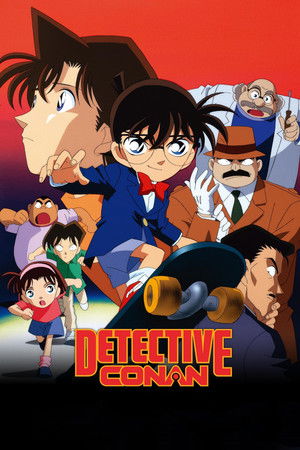
Case Closed, known in Japan as Detective Conan, is a long-running Japanese manga series written and illustrated by Gosho Aoyama. First serialized in Shogakukan's Weekly Shōnen Sunday magazine in January 1994, the series has become one of the best-selling manga of all time, with over 270 million copies in circulation worldwide. The story follows Shinichi Kudo, a brilliant high school detective who is transformed into a child's body after being poisoned by a mysterious criminal syndicate. Adopting the alias Conan Edogawa, he continues to solve complex criminal cases while secretly investigating the organization that shrank him, all while living with his childhood friend Ran Mouri and her bumbling private detective father.
The manga masterfully blends intricate whodunit mysteries with an overarching thriller narrative centered on the shadowy Black Organization. Aoyama's work is celebrated for its clever plotting, forensic detail, and a vast cast of recurring characters including rival detectives, FBI agents, and fellow victims of the organization's experiments. The series has spawned a massive media franchise encompassing an ongoing anime television series, animated feature films, video games, and live-action specials, cementing its status as a cornerstone of modern Japanese popular culture.
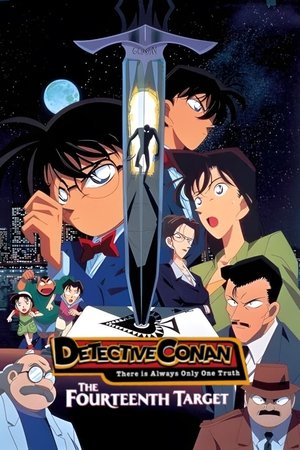
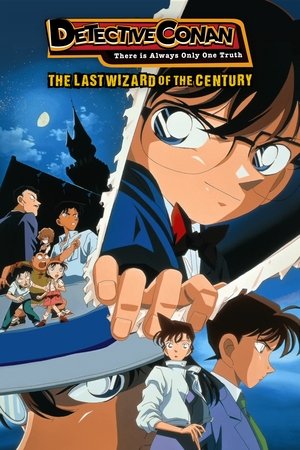
The *Detective Conan* film series is a long-running collection of animated feature films based on Gosho Aoyama's celebrated manga and anime franchise. Beginning in 1997 with *The Time Bombed Skyscraper*, the series has become an annual cinematic tradition in Japan, with new installments released each year. These films expand the universe of the diminutive detective Conan Edogawa, taking the core elements of the series—intricate mysteries, clever deductions, and a colorful cast of characters—and amplifying them with higher stakes, more elaborate set pieces, and a grander scale than the weekly television episodes typically allow. While the films are largely standalone mysteries, they often incorporate elements from the overarching narrative, particularly the ongoing conflict with the shadowy Black Organization, and provide deeper exploration of fan-favorite characters like the phantom thief Kaito Kid or the FBI agent Shuichi Akai. Over the decades, the series has evolved from relatively grounded whodunits to blockbuster spectacles involving international terrorism, advanced technology, and large-scale disasters, yet it consistently returns to the emotional core of Conan's quest to reclaim his true identity as Shinichi Kudo and his protective relationship with Ran Mouri. The films are known for their blend of suspense, humor, and heartfelt moments, making them accessible to both dedicated followers and casual viewers. As a cornerstone of Japanese popular culture, the *Detective Conan* films have achieved remarkable box office success, often ranking among the highest-grossing domestic releases of their respective years, and have contributed significantly to the franchise's enduring global legacy.