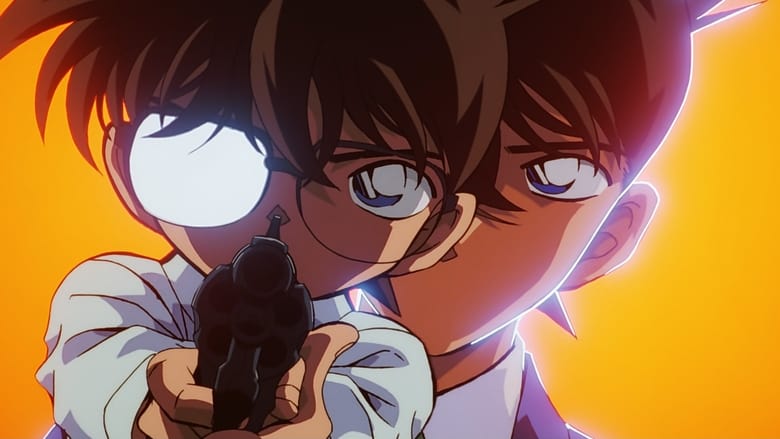
🎬 Case Closed: The Fourteenth Target (1998)
Part of Detective Conan
The second feature film in the long-running Detective Conan franchise, The Fourteenth Target arrived in Japanese theaters in April 1998, just as the series was cementing its status as a cultural juggernaut. Rather than adapting a specific manga storyline, the film presents an original mystery that cleverly weaves together a serial killer's playing-card motif with a deeply personal backstory for Ran Mouri (Rachel in the English dub). The film opens with a recurring nightmare that forces Ran to confront a traumatic memory involving her mother, Eri, and a tense police standoff—a narrative choice that immediately raises the emotional stakes beyond the typical episodic case. This focus on the fractured Mouri family dynamic gives the film a dramatic weight that distinguishes it from the television series, exploring Richard Moore's (Kogoro Mouri) flawed heroism and the quiet resilience of his estranged wife.
The central gimmick—a killer targeting victims whose names correspond to numbers, counting down through a deck of cards—allows the film to stage a series of inventive set pieces across the gleaming, futuristic AquaCrystal complex. Director Kenji Kodama orchestrates a classic locked-room scenario with a modern twist, as the underwater restaurant and aquarium setting becomes both a luxurious backdrop and a claustrophobic trap. The film plays fair with its clues, planting subtle hints about the true culprit's identity while misdirecting audiences toward the obvious suspect, a recently paroled criminal with a grudge. Conan's deductive process is on full display, but the film also grants rare moments of competence to Richard Moore, who gets to demonstrate the sharpshooting skills hinted at in his backstory.
For international audiences, The Fourteenth Target holds a unique place as one of the early Case Closed films to receive an official English-language release, arriving on DVD via Funimation in November 2007. The localization made the customary name changes—Shinichi becomes Jimmy, Ran becomes Rachel, and the Black Organization fades into the background—but the core mystery remains intact. The film's box office performance, grossing ¥1.85 billion in Japan, proved that the annual Detective Conan movie was not merely a cash-in but a legitimate cinematic event that could expand the series' scope while delivering the clever whodunits fans craved. It set a template for future films by balancing character-driven drama with the franchise's signature puzzle-box plotting.

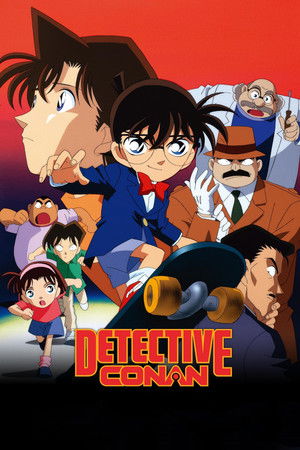
Case Closed, known in Japan as Detective Conan, is a long-running Japanese manga series written and illustrated by Gosho Aoyama. First serialized in Shogakukan's Weekly Shōnen Sunday magazine in January 1994, the series has become one of the best-selling manga of all time, with over 270 million copies in circulation worldwide. The story follows Shinichi Kudo, a brilliant high school detective who is transformed into a child's body after being poisoned by a mysterious criminal syndicate. Adopting the alias Conan Edogawa, he continues to solve complex criminal cases while secretly investigating the organization that shrank him, all while living with his childhood friend Ran Mouri and her bumbling private detective father.
The manga masterfully blends intricate whodunit mysteries with an overarching thriller narrative centered on the shadowy Black Organization. Aoyama's work is celebrated for its clever plotting, forensic detail, and a vast cast of recurring characters including rival detectives, FBI agents, and fellow victims of the organization's experiments. The series has spawned a massive media franchise encompassing an ongoing anime television series, animated feature films, video games, and live-action specials, cementing its status as a cornerstone of modern Japanese popular culture.
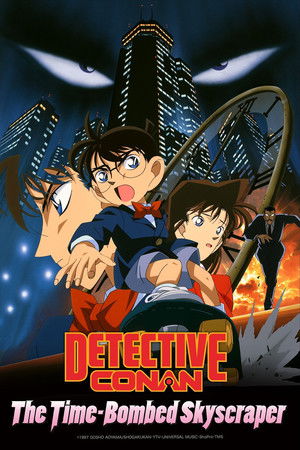
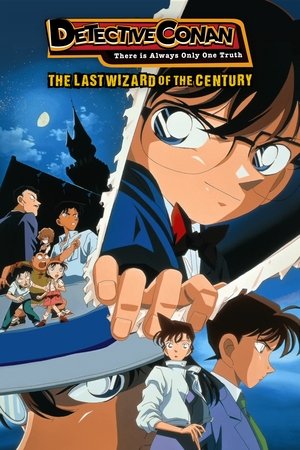
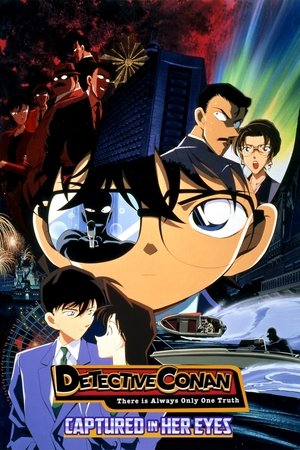
The *Detective Conan* film series is a long-running collection of animated feature films based on Gosho Aoyama's celebrated manga and anime franchise. Beginning in 1997 with *The Time Bombed Skyscraper*, the series has become an annual cinematic tradition in Japan, with new installments released each year. These films expand the universe of the diminutive detective Conan Edogawa, taking the core elements of the series—intricate mysteries, clever deductions, and a colorful cast of characters—and amplifying them with higher stakes, more elaborate set pieces, and a grander scale than the weekly television episodes typically allow. While the films are largely standalone mysteries, they often incorporate elements from the overarching narrative, particularly the ongoing conflict with the shadowy Black Organization, and provide deeper exploration of fan-favorite characters like the phantom thief Kaito Kid or the FBI agent Shuichi Akai. Over the decades, the series has evolved from relatively grounded whodunits to blockbuster spectacles involving international terrorism, advanced technology, and large-scale disasters, yet it consistently returns to the emotional core of Conan's quest to reclaim his true identity as Shinichi Kudo and his protective relationship with Ran Mouri. The films are known for their blend of suspense, humor, and heartfelt moments, making them accessible to both dedicated followers and casual viewers. As a cornerstone of Japanese popular culture, the *Detective Conan* films have achieved remarkable box office success, often ranking among the highest-grossing domestic releases of their respective years, and have contributed significantly to the franchise's enduring global legacy.