🎬 Detective Conan: Full Score of Fear (2008)
Part of Detective Conan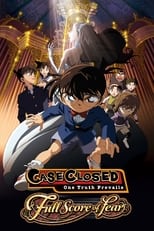
The twelfth cinematic outing for the shrunken sleuth, "Full Score of Fear," orchestrates a unique blend of classical music and classic whodunit tension. Departing from the typical treasure hunt or island-bound isolation of other franchise entries, this film sets its stage within the hallowed, acoustically perfect walls of a grand concert hall. The story revolves around a series of threats made against a famous soprano and the mysterious destruction of pianos, all seemingly tied to a tragic event from the past. The film masterfully uses music not just as a backdrop but as a central plot device, with Conan relying on his perfect pitch—a gift from his true identity as Shinichi Kudo—to unravel a mystery that is as much about sound frequencies and musical notes as it is about alibis and motives.
What makes this adaptation particularly memorable is its deep dive into Shinichi’s rarely explored musical talent, creating a poignant, unspoken connection between him and Ran as she senses his presence through a violin melody. The film introduces a compelling original character in Reiko Akiba, a diva with a sharp wit who becomes one of the few people to see through Conan’s childlike facade without any trickery. The climax is a masterclass in suspense, intercutting a live performance of "Amazing Grace" with a life-or-death struggle, where Conan must use his voice-changing bowtie in a completely novel way to save the day. This sequence is often cited by fans as one of the most emotionally resonant and creatively staged finales in the entire film series.
Upon its release in April 2008, "Full Score of Fear" was a commercial success, continuing the franchise's unbroken streak of annual box-office hits. While the central mystery is a self-contained story, it enriches the overarching lore by offering a rare, intimate glimpse into Shinichi’s childhood and his musical past with Ran, a detail only briefly touched upon in the manga. The accompanying OVA, "Magic File #2," served as a charming prequel, showing a younger Shinichi and Ran in middle school, which deepened the emotional stakes for the main feature. For a franchise built on cerebral puzzles, this entry struck a different chord, proving that a "Detective Conan" film could be as moving as it is clever.

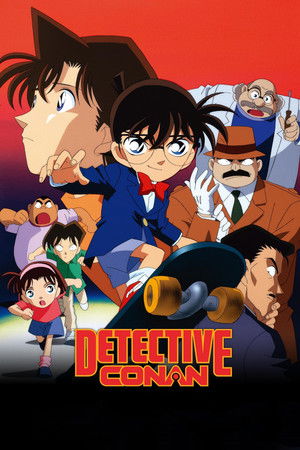
Case Closed, known in Japan as Detective Conan, is a long-running Japanese manga series written and illustrated by Gosho Aoyama. First serialized in Shogakukan's Weekly Shōnen Sunday magazine in January 1994, the series has become one of the best-selling manga of all time, with over 270 million copies in circulation worldwide. The story follows Shinichi Kudo, a brilliant high school detective who is transformed into a child's body after being poisoned by a mysterious criminal syndicate. Adopting the alias Conan Edogawa, he continues to solve complex criminal cases while secretly investigating the organization that shrank him, all while living with his childhood friend Ran Mouri and her bumbling private detective father.
The manga masterfully blends intricate whodunit mysteries with an overarching thriller narrative centered on the shadowy Black Organization. Aoyama's work is celebrated for its clever plotting, forensic detail, and a vast cast of recurring characters including rival detectives, FBI agents, and fellow victims of the organization's experiments. The series has spawned a massive media franchise encompassing an ongoing anime television series, animated feature films, video games, and live-action specials, cementing its status as a cornerstone of modern Japanese popular culture.
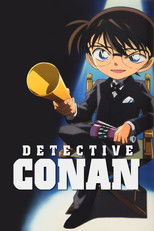
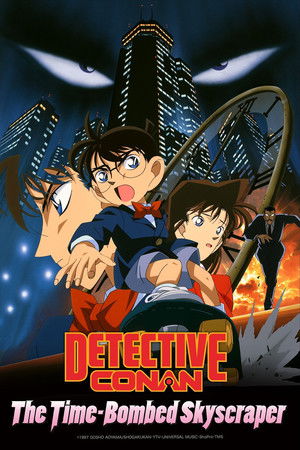
The *Detective Conan* film series is a long-running collection of animated feature films based on Gosho Aoyama's celebrated manga and anime franchise. Beginning in 1997 with *The Time Bombed Skyscraper*, the series has become an annual cinematic tradition in Japan, with new installments released each year. These films expand the universe of the diminutive detective Conan Edogawa, taking the core elements of the series—intricate mysteries, clever deductions, and a colorful cast of characters—and amplifying them with higher stakes, more elaborate set pieces, and a grander scale than the weekly television episodes typically allow. While the films are largely standalone mysteries, they often incorporate elements from the overarching narrative, particularly the ongoing conflict with the shadowy Black Organization, and provide deeper exploration of fan-favorite characters like the phantom thief Kaito Kid or the FBI agent Shuichi Akai. Over the decades, the series has evolved from relatively grounded whodunits to blockbuster spectacles involving international terrorism, advanced technology, and large-scale disasters, yet it consistently returns to the emotional core of Conan's quest to reclaim his true identity as Shinichi Kudo and his protective relationship with Ran Mouri. The films are known for their blend of suspense, humor, and heartfelt moments, making them accessible to both dedicated followers and casual viewers. As a cornerstone of Japanese popular culture, the *Detective Conan* films have achieved remarkable box office success, often ranking among the highest-grossing domestic releases of their respective years, and have contributed significantly to the franchise's enduring global legacy.