🎬 Detective Conan: The Darkest Nightmare (2016)
Part of Detective Conan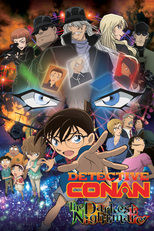
The twentieth film in the long-running anime franchise, "Detective Conan: The Darkest Nightmare" stands out as a high-octane thriller that plunges headfirst into the series' central mythology surrounding the Black Organization. Unlike many of the annual films which often function as elaborate, standalone mysteries, this installment is a direct and consequential chapter in the overarching conflict. The plot kicks off with the introduction of Curaçao, a formidable new agent from the syndicate, who steals a classified NOC list of undercover spies from around the world. This immediately raises the stakes to a global level, pulling in not just Conan and his usual allies, but also the FBI, Japan's Public Security Bureau, and the enigmatic double agent Rei Furuya, also known as Bourbon.
The film is particularly notable for its intense focus on the shadowy rivalry between Furuya and the ace sniper Shuichi Akai. Their breathtaking, destructive car chase and hand-to-hand combat on the Rainbow Bridge is a standout sequence that fans had long awaited. The narrative cleverly uses Curaçao's amnesia following her escape as a plot device, forcing her to interact with Conan and the Detective Boys at the Tohto Aquarium without her sinister memories. This creates a unique, tragic dimension to her character, exploring nature versus nurture as she experiences genuine friendship for the first time, even while being a deadly operative. The film masterfully balances these character-driven moments with spectacular set pieces, including a climax involving a massive Ferris wheel turned into a weapon of terror.
Upon its release in April 2016, "The Darkest Nightmare" was a monumental box office success, becoming the highest-grossing film in the franchise's history at that time. Audiences and critics praised its darker, more serious tone and its willingness to advance the core Black Organization storyline in a meaningful way, a departure from some of the more self-contained previous entries. The film's theme song, "Sekai wa Anata no Iro ni Naru" by the legendary rock duo B'z, perfectly underscored the film's blend of melancholy and high-stakes action. It served as a powerful reminder of the series' ability to evolve and deliver blockbuster entertainment after two decades, rewarding long-time followers with significant plot progression and unforgettable character showdowns.

Case Closed, known in Japan as Detective Conan, is a long-running Japanese manga series written and illustrated by Gosho Aoyama. First serialized in Shogakukan's Weekly Shōnen Sunday magazine in January 1994, the series has become one of the best-selling manga of all time, with over 270 million copies in circulation worldwide. The story follows Shinichi Kudo, a brilliant high school detective who is transformed into a child's body after being poisoned by a mysterious criminal syndicate. Adopting the alias Conan Edogawa, he continues to solve complex criminal cases while secretly investigating the organization that shrank him, all while living with his childhood friend Ran Mouri and her bumbling private detective father.
The manga masterfully blends intricate whodunit mysteries with an overarching thriller narrative centered on the shadowy Black Organization. Aoyama's work is celebrated for its clever plotting, forensic detail, and a vast cast of recurring characters including rival detectives, FBI agents, and fellow victims of the organization's experiments. The series has spawned a massive media franchise encompassing an ongoing anime television series, animated feature films, video games, and live-action specials, cementing its status as a cornerstone of modern Japanese popular culture.
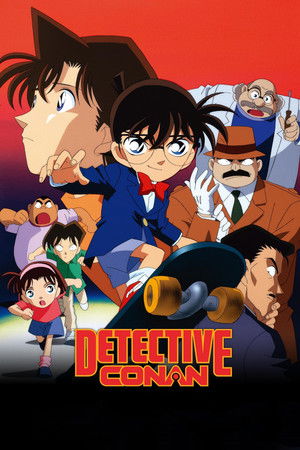
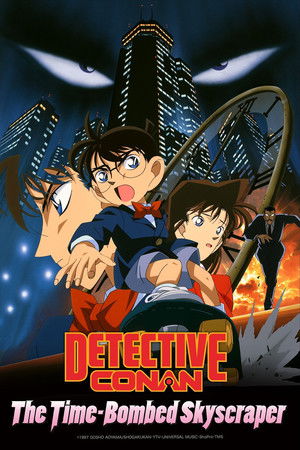
The *Detective Conan* film series is a long-running collection of animated feature films based on Gosho Aoyama's celebrated manga and anime franchise. Beginning in 1997 with *The Time Bombed Skyscraper*, the series has become an annual cinematic tradition in Japan, with new installments released each year. These films expand the universe of the diminutive detective Conan Edogawa, taking the core elements of the series—intricate mysteries, clever deductions, and a colorful cast of characters—and amplifying them with higher stakes, more elaborate set pieces, and a grander scale than the weekly television episodes typically allow. While the films are largely standalone mysteries, they often incorporate elements from the overarching narrative, particularly the ongoing conflict with the shadowy Black Organization, and provide deeper exploration of fan-favorite characters like the phantom thief Kaito Kid or the FBI agent Shuichi Akai. Over the decades, the series has evolved from relatively grounded whodunits to blockbuster spectacles involving international terrorism, advanced technology, and large-scale disasters, yet it consistently returns to the emotional core of Conan's quest to reclaim his true identity as Shinichi Kudo and his protective relationship with Ran Mouri. The films are known for their blend of suspense, humor, and heartfelt moments, making them accessible to both dedicated followers and casual viewers. As a cornerstone of Japanese popular culture, the *Detective Conan* films have achieved remarkable box office success, often ranking among the highest-grossing domestic releases of their respective years, and have contributed significantly to the franchise's enduring global legacy.