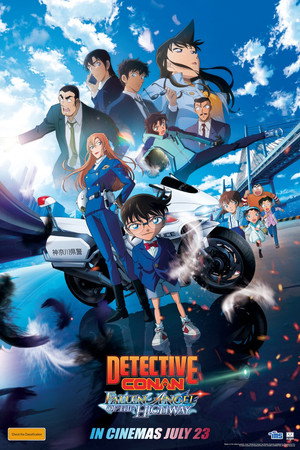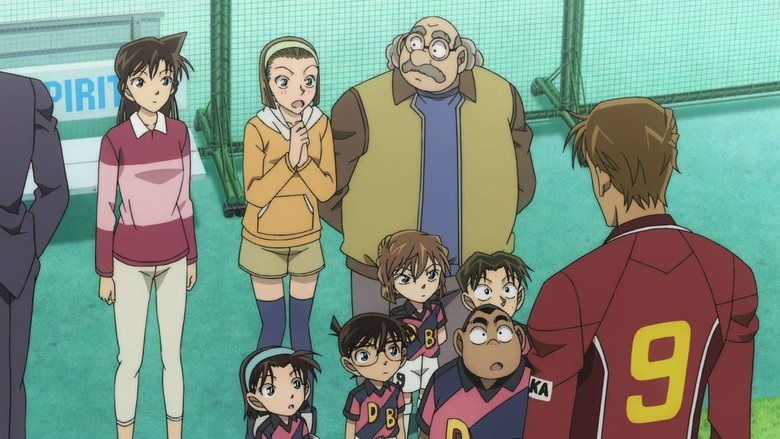
🎬 Detective Conan: The Eleventh Striker (2012)
Part of Detective Conan
Released in 2012 as the sixteenth installment in the long-running Detective Conan film franchise, The Eleventh Striker takes the series' signature blend of cerebral mystery and high-stakes action and transplants it directly onto the soccer pitch. The film was strategically timed to capitalize on Japan's enduring passion for the sport, weaving the J. League—Japan's professional football league—directly into the fabric of its plot. This wasn't just a thematic backdrop; the production collaborated with the actual J. League, featuring real teams, stadiums, and even cameos by professional players, which grounded the typically fantastical Conan universe in a tangible, exciting reality for local audiences.
The story kicks off with a classic Conan setup: a seemingly innocent public event turns sinister. After the Detective Boys attend a J. League promotional event, a mysterious bomber begins targeting soccer stadiums, communicating his threats through elaborate riddles that only Conan can decipher. The central puzzle, involving a cryptic message about a "blue zebra and blue boy," is a quintessential Aoyama-style wordplay challenge, forcing Conan to deconstruct kanji characters to pinpoint the bomb's location. This focus on linguistic deduction is a direct and faithful adaptation of the source manga's love for intellectual games, but the film amplifies the tension by placing the threat in a crowded stadium, raising the stakes from a single life to the fate of tens of thousands of spectators.
While the manga often delves into the overarching Black Organization conspiracy, The Eleventh Striker is a standalone thriller that leans heavily into its sports theme, making it a unique entry in the film series. It sidelines the main criminal syndicate in favor of a more personal, motive-driven antagonist, a common structural choice for the non-canonical movies that allows them to be accessible to casual viewers. The film is notable for giving a prominent role to the Detective Boys, who are more than just bystanders here, and for showcasing the collaborative dynamic between Conan and his teenage alter-ego Shinichi Kudo, as Ran relays the bomber's riddles to him, allowing the two identities to work in tandem from different locations.
Critically, the film was a commercial success, continuing the franchise's unbroken streak of annual box-office triumphs in Japan. It was praised for its energetic pacing and the novelty of its soccer-centric storyline, which offered a fresh visual spectacle compared to the more traditional murder mysteries. However, some purists noted that the sports setting slightly overshadowed the intricate detective work that defines the series. Regardless, The Eleventh Striker stands as a vibrant time capsule of Japan's soccer culture in the early 2010s, a film that successfully merges the nation's love for its homegrown detective with its fervent support for the beautiful game.

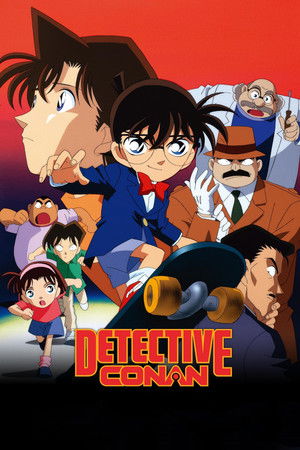
Case Closed, known in Japan as Detective Conan, is a long-running Japanese manga series written and illustrated by Gosho Aoyama. First serialized in Shogakukan's Weekly Shōnen Sunday magazine in January 1994, the series has become one of the best-selling manga of all time, with over 270 million copies in circulation worldwide. The story follows Shinichi Kudo, a brilliant high school detective who is transformed into a child's body after being poisoned by a mysterious criminal syndicate. Adopting the alias Conan Edogawa, he continues to solve complex criminal cases while secretly investigating the organization that shrank him, all while living with his childhood friend Ran Mouri and her bumbling private detective father.
The manga masterfully blends intricate whodunit mysteries with an overarching thriller narrative centered on the shadowy Black Organization. Aoyama's work is celebrated for its clever plotting, forensic detail, and a vast cast of recurring characters including rival detectives, FBI agents, and fellow victims of the organization's experiments. The series has spawned a massive media franchise encompassing an ongoing anime television series, animated feature films, video games, and live-action specials, cementing its status as a cornerstone of modern Japanese popular culture.
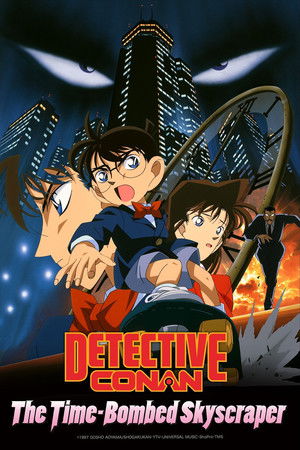
The *Detective Conan* film series is a long-running collection of animated feature films based on Gosho Aoyama's celebrated manga and anime franchise. Beginning in 1997 with *The Time Bombed Skyscraper*, the series has become an annual cinematic tradition in Japan, with new installments released each year. These films expand the universe of the diminutive detective Conan Edogawa, taking the core elements of the series—intricate mysteries, clever deductions, and a colorful cast of characters—and amplifying them with higher stakes, more elaborate set pieces, and a grander scale than the weekly television episodes typically allow. While the films are largely standalone mysteries, they often incorporate elements from the overarching narrative, particularly the ongoing conflict with the shadowy Black Organization, and provide deeper exploration of fan-favorite characters like the phantom thief Kaito Kid or the FBI agent Shuichi Akai. Over the decades, the series has evolved from relatively grounded whodunits to blockbuster spectacles involving international terrorism, advanced technology, and large-scale disasters, yet it consistently returns to the emotional core of Conan's quest to reclaim his true identity as Shinichi Kudo and his protective relationship with Ran Mouri. The films are known for their blend of suspense, humor, and heartfelt moments, making them accessible to both dedicated followers and casual viewers. As a cornerstone of Japanese popular culture, the *Detective Conan* films have achieved remarkable box office success, often ranking among the highest-grossing domestic releases of their respective years, and have contributed significantly to the franchise's enduring global legacy.