🎬 Detective Conan: Private Eye in the Distant Sea (2013)
Part of Detective Conan
The seventeenth installment in the long-running Detective Conan film franchise, Private Eye in the Distant Sea takes the pint-sized sleuth into uncharted waters—literally. Departing from the series' typical urban murder mysteries, this 2013 feature sets much of its action aboard the JDS Hotaka, a state-of-the-art Aegis destroyer belonging to the Japan Maritime Self-Defense Force. The story kicks off when a suspicious vessel carrying explosives is discovered off the coast, and Conan, along with Ran, Kogoro, and the Detective Boys, finds himself in the middle of a high-stakes naval exercise that quickly turns into a real-life crisis. The film leans heavily into a techno-thriller atmosphere, trading locked rooms for sonar screens and combat information centers, which gives it a distinctly different flavor from its predecessors.
The film's central mystery involves an unidentified submarine and a potential spy infiltrating the warship, blending military intrigue with Conan's signature deductive reasoning. One of the most notable aspects of this adaptation is its collaboration with the actual Japan Maritime Self-Defense Force, which provided unprecedented access and technical consultation. This resulted in a remarkably authentic depiction of naval operations, from the layout of the destroyer to the protocols followed in the CIC. The screenplay, penned by veteran Conan film writer Takeharu Sakurai, weaves together multiple plot threads involving a missing coast guard officer and a mysterious female crew member, all while maintaining the franchise's knack for planting subtle clues that pay off in the final act.
Critically, the film was praised for its ambitious scope and the tension generated by its confined, high-pressure setting. The climax, which involves Conan orchestrating a daring rescue at sea, is often cited as one of the more visually spectacular sequences in the series' cinematic history. However, some fans noted that the film's focus on military hardware and geopolitical stakes came at the expense of the character-driven moments and the overarching Black Organization plot that many had come to expect. The theme song, "One More Time" by Kazuyoshi Saito, provided a melancholic counterpoint to the film's action-heavy narrative, underscoring the emotional stakes for the characters.
As a standalone entry in the Detective Conan film canon, Private Eye in the Distant Sea represents a bold experiment in genre blending. While it doesn't advance the main manga storyline, it showcases the adaptability of Gosho Aoyama's characters, proving that Conan's intellect is just as sharp whether he's investigating a locked-room murder or preventing an international incident on the high seas. The film's unique setting and real-world military cooperation make it a memorable, if somewhat divisive, chapter in the franchise's annual cinematic tradition.

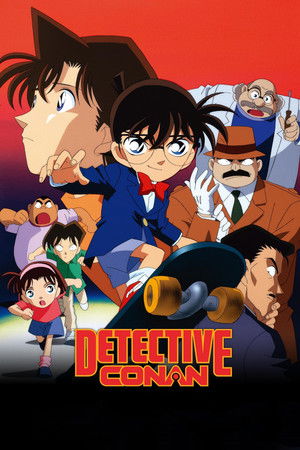
Case Closed, known in Japan as Detective Conan, is a long-running Japanese manga series written and illustrated by Gosho Aoyama. First serialized in Shogakukan's Weekly Shōnen Sunday magazine in January 1994, the series has become one of the best-selling manga of all time, with over 270 million copies in circulation worldwide. The story follows Shinichi Kudo, a brilliant high school detective who is transformed into a child's body after being poisoned by a mysterious criminal syndicate. Adopting the alias Conan Edogawa, he continues to solve complex criminal cases while secretly investigating the organization that shrank him, all while living with his childhood friend Ran Mouri and her bumbling private detective father.
The manga masterfully blends intricate whodunit mysteries with an overarching thriller narrative centered on the shadowy Black Organization. Aoyama's work is celebrated for its clever plotting, forensic detail, and a vast cast of recurring characters including rival detectives, FBI agents, and fellow victims of the organization's experiments. The series has spawned a massive media franchise encompassing an ongoing anime television series, animated feature films, video games, and live-action specials, cementing its status as a cornerstone of modern Japanese popular culture.
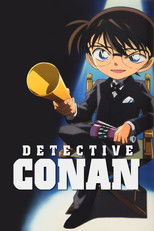
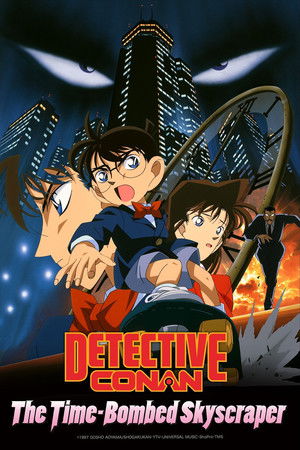
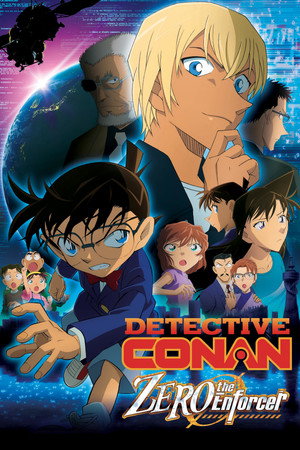
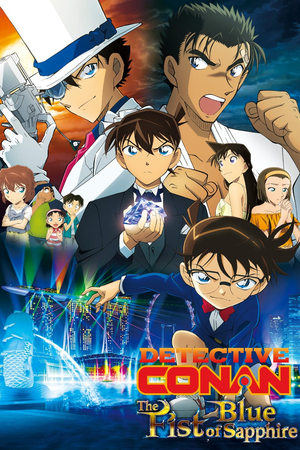
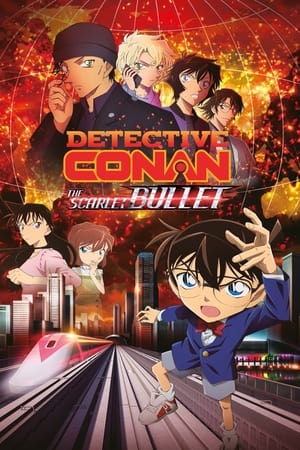
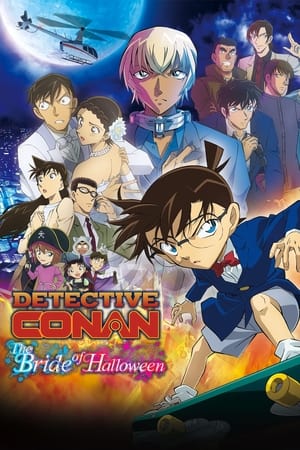
The *Detective Conan* film series is a long-running collection of animated feature films based on Gosho Aoyama's celebrated manga and anime franchise. Beginning in 1997 with *The Time Bombed Skyscraper*, the series has become an annual cinematic tradition in Japan, with new installments released each year. These films expand the universe of the diminutive detective Conan Edogawa, taking the core elements of the series—intricate mysteries, clever deductions, and a colorful cast of characters—and amplifying them with higher stakes, more elaborate set pieces, and a grander scale than the weekly television episodes typically allow. While the films are largely standalone mysteries, they often incorporate elements from the overarching narrative, particularly the ongoing conflict with the shadowy Black Organization, and provide deeper exploration of fan-favorite characters like the phantom thief Kaito Kid or the FBI agent Shuichi Akai. Over the decades, the series has evolved from relatively grounded whodunits to blockbuster spectacles involving international terrorism, advanced technology, and large-scale disasters, yet it consistently returns to the emotional core of Conan's quest to reclaim his true identity as Shinichi Kudo and his protective relationship with Ran Mouri. The films are known for their blend of suspense, humor, and heartfelt moments, making them accessible to both dedicated followers and casual viewers. As a cornerstone of Japanese popular culture, the *Detective Conan* films have achieved remarkable box office success, often ranking among the highest-grossing domestic releases of their respective years, and have contributed significantly to the franchise's enduring global legacy.