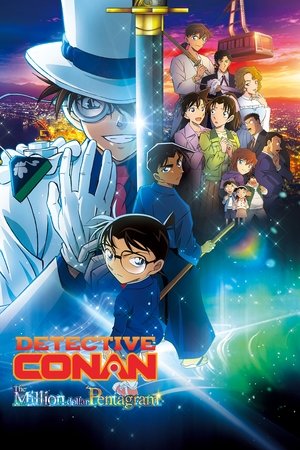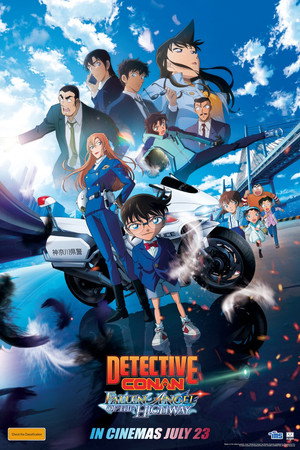
🎬 Case Closed: Countdown to Heaven (2001)
Part of Detective Conan
The fifth installment in the beloved annual film franchise, "Countdown to Heaven" stands as a high-water mark for the series, masterfully weaving the franchise's signature whodunit structure with a genuine, palpable threat from the overarching Black Organization. Unlike many of the earlier films that focused on a standalone mystery with only a tangential connection to the main plot, this entry places the syndicate's hunt for Ai Haibara (Shiho Miyano) directly at the center of the narrative. The film brilliantly exploits the dual identity of its characters, creating a tense game of cat and mouse where a simple camping trip and a visit to a gleaming new skyscraper quickly spiral into a life-or-death situation. The Twin Towers themselves become a character in the story, a vertical battleground that provides a stunning and claustrophobic setting for the film's explosive climax.
The film is particularly celebrated for its focus on the Junior Detective League, giving the young characters like Genta, Mitsuhiko, and Ayumi moments of genuine heroism and emotional depth that go beyond their usual comic relief roles. A standout sequence involves a harrowing escape from a high-rise building, where the children must rely on their wits and each other in a scene that is both thrilling and deeply affecting. This emphasis on teamwork and courage under pressure elevates the film, proving that the series can generate immense suspense without always relying on Conan's superhuman intellect. The animation, for its time, was top-tier, with the sleek, modern design of the Twin Towers contrasting sharply with the dark, ominous presence of Gin and Vodka, whose brief but impactful appearances remind the audience of the ever-present danger lurking in Conan's world.
Directed by Kenji Kodama, who helmed many of the early and most iconic Conan films, "Countdown to Heaven" is often cited by fans as one of the best in the entire series. It perfectly balances the core elements of the franchise: a cleverly constructed murder mystery involving a serial killer, the high-tech gadgetry of Dr. Agasa's inventions, and the chilling, noir-ish threat of the men in black. The film's title is a poetic reference to the skyscraper's proximity to the heavens, but it also serves as a grim countdown to a potential tragedy, a narrative device that keeps the tension ratcheted up throughout the runtime. Its commercial success, earning 2.9 billion yen, solidified the annual movie's status as a box-office juggernaut and set a high bar for the sequels that followed.
For international audiences, particularly those who experienced the English dub released under the "Case Closed" banner, this film served as a thrilling entry point into the darker, more serialized aspects of the story. It demonstrates that the series is not just a collection of episodic puzzles but a saga with real stakes and a formidable, shadowy antagonist. The film's legacy endures not just for its spectacular action set pieces, but for its quiet character moments—like Ai's internal struggle with her past and her growing bond with her new friends—which ground the high-concept peril in genuine emotion, making "Countdown to Heaven" a quintessential chapter in the Detective Conan cinematic universe.

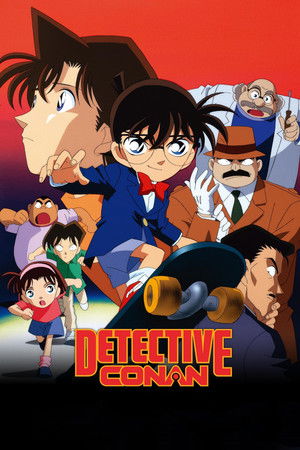
Case Closed, known in Japan as Detective Conan, is a long-running Japanese manga series written and illustrated by Gosho Aoyama. First serialized in Shogakukan's Weekly Shōnen Sunday magazine in January 1994, the series has become one of the best-selling manga of all time, with over 270 million copies in circulation worldwide. The story follows Shinichi Kudo, a brilliant high school detective who is transformed into a child's body after being poisoned by a mysterious criminal syndicate. Adopting the alias Conan Edogawa, he continues to solve complex criminal cases while secretly investigating the organization that shrank him, all while living with his childhood friend Ran Mouri and her bumbling private detective father.
The manga masterfully blends intricate whodunit mysteries with an overarching thriller narrative centered on the shadowy Black Organization. Aoyama's work is celebrated for its clever plotting, forensic detail, and a vast cast of recurring characters including rival detectives, FBI agents, and fellow victims of the organization's experiments. The series has spawned a massive media franchise encompassing an ongoing anime television series, animated feature films, video games, and live-action specials, cementing its status as a cornerstone of modern Japanese popular culture.
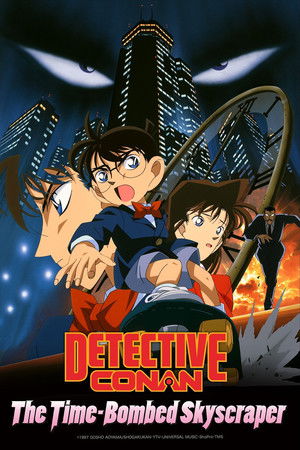
The *Detective Conan* film series is a long-running collection of animated feature films based on Gosho Aoyama's celebrated manga and anime franchise. Beginning in 1997 with *The Time Bombed Skyscraper*, the series has become an annual cinematic tradition in Japan, with new installments released each year. These films expand the universe of the diminutive detective Conan Edogawa, taking the core elements of the series—intricate mysteries, clever deductions, and a colorful cast of characters—and amplifying them with higher stakes, more elaborate set pieces, and a grander scale than the weekly television episodes typically allow. While the films are largely standalone mysteries, they often incorporate elements from the overarching narrative, particularly the ongoing conflict with the shadowy Black Organization, and provide deeper exploration of fan-favorite characters like the phantom thief Kaito Kid or the FBI agent Shuichi Akai. Over the decades, the series has evolved from relatively grounded whodunits to blockbuster spectacles involving international terrorism, advanced technology, and large-scale disasters, yet it consistently returns to the emotional core of Conan's quest to reclaim his true identity as Shinichi Kudo and his protective relationship with Ran Mouri. The films are known for their blend of suspense, humor, and heartfelt moments, making them accessible to both dedicated followers and casual viewers. As a cornerstone of Japanese popular culture, the *Detective Conan* films have achieved remarkable box office success, often ranking among the highest-grossing domestic releases of their respective years, and have contributed significantly to the franchise's enduring global legacy.