📺 Detective Conan (1996)
Based on manga
When the Detective Conan anime premiered in January 1996, few could have predicted it would become one of the longest-running and most beloved animated series in television history. Produced by TMS Entertainment and Yomiuri Telecasting Corporation, the adaptation took Gosho Aoyama's already popular manga and transformed it into a weekly institution. The core premise remained faithful: teenage detective Shinichi Kudo is poisoned by the Black Organization and shrinks into a child, adopting the alias Conan Edogawa while living with his girlfriend Ran Mouri and her bumbling private-eye father, Kogoro. From this setup, the anime expanded the manga's world, giving voice and motion to its intricate locked-room mysteries and slowly unfolding conspiracy.
The adaptation made several key changes to ease new viewers into the story. Early episodes rearranged the manga's chronology, introducing characters like the young Detective Boys earlier to establish an ensemble dynamic. The anime also toned down some of the manga's darker violence for a broader family audience while amplifying its comedic beats, particularly Kogoro's drunken antics and Conan's exasperated inner monologue. Perhaps most significantly, the series developed a distinct visual and auditory identity: Conan's iconic red bowtie voice changer, the dramatic door-slamming scene transitions, and a rotating catalog of catchy opening themes became inseparable from the franchise's identity. The anime-original episodes, which now number in the hundreds, further distinguished the adaptation by crafting mysteries that could stand alongside Aoyama's own.
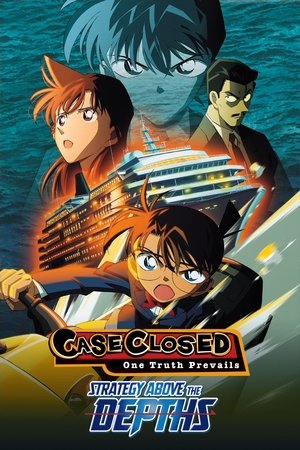
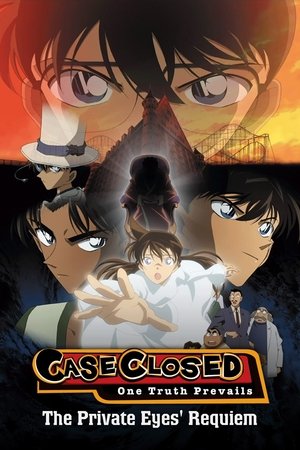
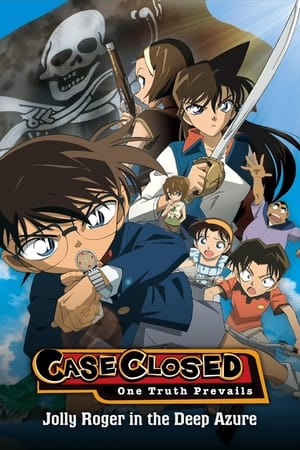
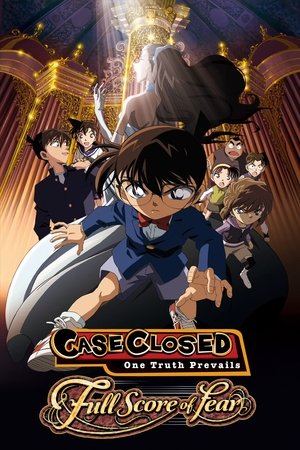
In North America, the series faced a more complicated journey. When Funimation licensed it in 2003, they rebranded it as Case Closed and Americanized the character names—Shinichi became Jimmy Kudo, Ran became Rachel Moore, and the Black Organization was renamed the Black Org. The localization aimed to make the series more accessible to a mainstream audience, but it debuted on Adult Swim to unexpectedly low ratings and was eventually pulled from the schedule. Despite this rocky start, the series found a devoted cult following through DVD releases and later streaming. The original Japanese version, with its unchanged names and cultural references, remained the preferred experience for purists, creating an interesting dual identity for the English-speaking fandom.
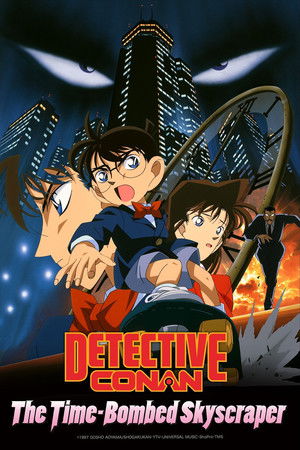
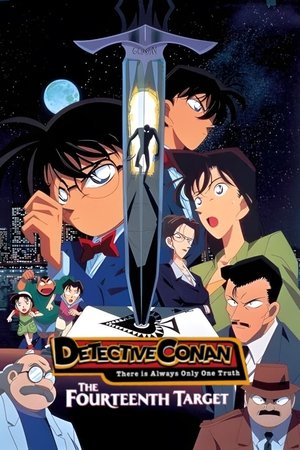
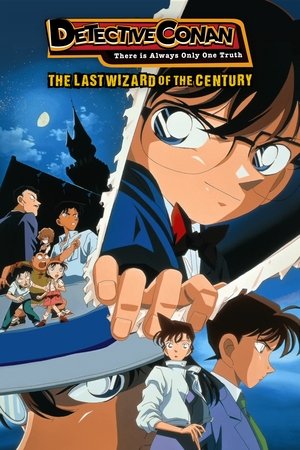
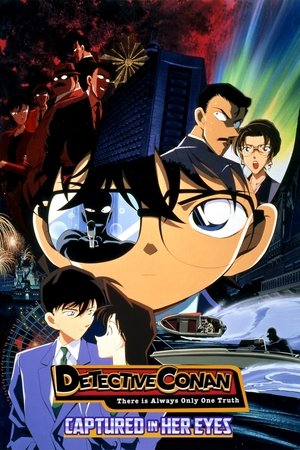
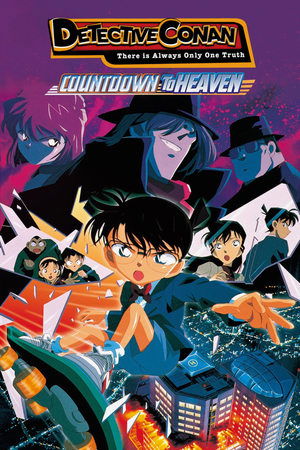
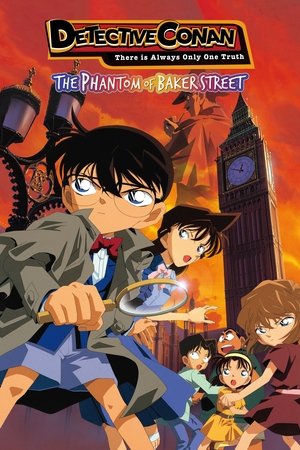
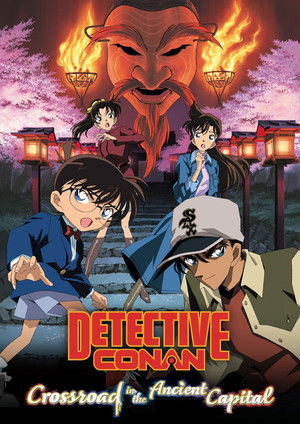
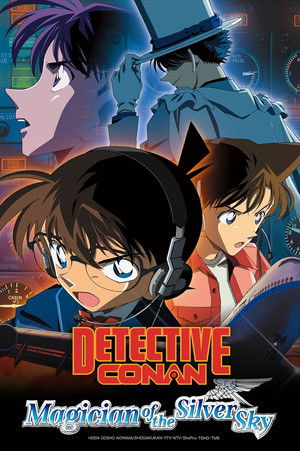
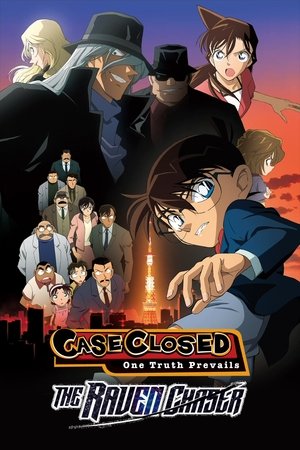
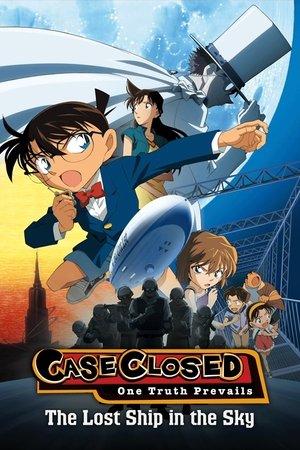
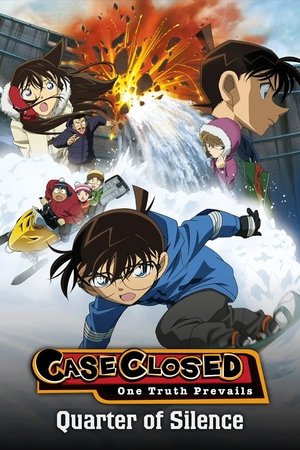
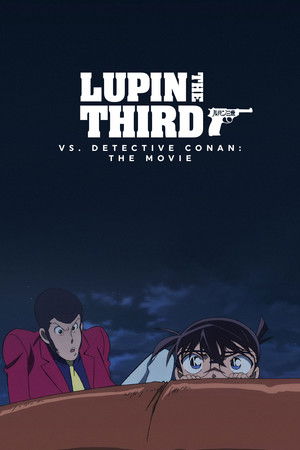
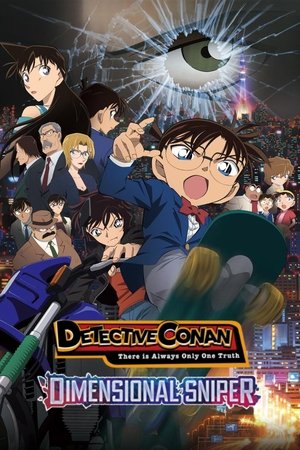
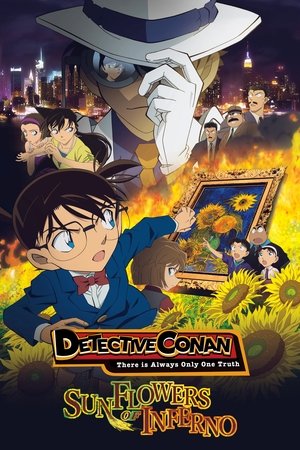
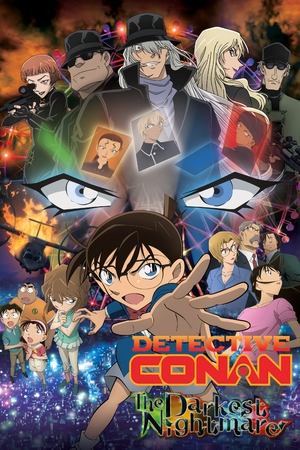
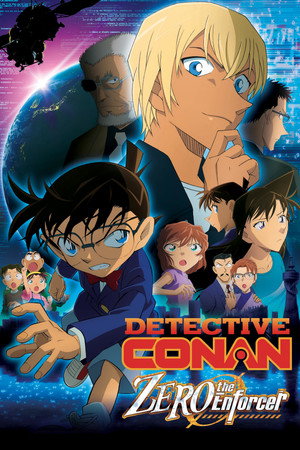
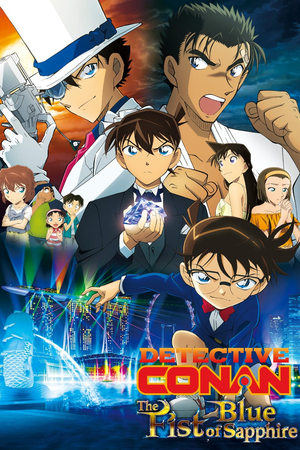
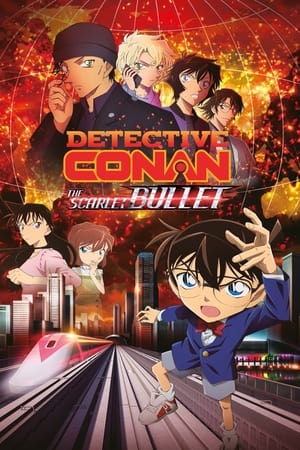
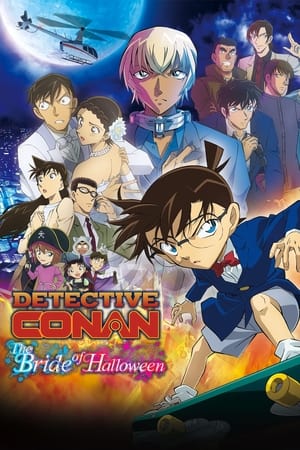
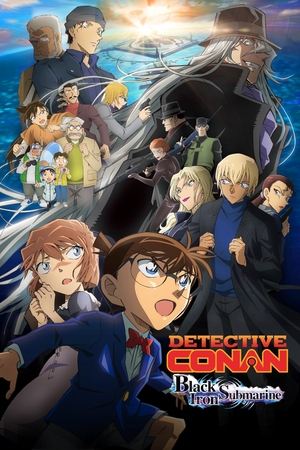
The anime's longevity is its greatest achievement and its most daunting challenge. With over a thousand episodes, dozens of films, and a narrative that has been unfolding for nearly three decades, it has become a cultural touchstone in Japan, influencing everything from tourism to real-life mystery events. The adaptation has also served as a training ground for animators, voice actors, and mystery writers, with many of its staff becoming legends in the industry. While the slow drip of Black Organization plot developments can test the patience of viewers craving resolution, the series' ability to consistently deliver clever, self-contained whodunits has kept audiences returning week after week, making it a remarkable case study in how a faithful adaptation can grow into something far larger than its source material.

Case Closed, known in Japan as Detective Conan, is a long-running Japanese manga series written and illustrated by Gosho Aoyama. First serialized in Shogakukan's Weekly Shōnen Sunday magazine in January 1994, the series has become one of the best-selling manga of all time, with over 270 million copies in circulation worldwide. The story follows Shinichi Kudo, a brilliant high school detective who is transformed into a child's body after being poisoned by a mysterious criminal syndicate. Adopting the alias Conan Edogawa, he continues to solve complex criminal cases while secretly investigating the organization that shrank him, all while living with his childhood friend Ran Mouri and her bumbling private detective father.
The manga masterfully blends intricate whodunit mysteries with an overarching thriller narrative centered on the shadowy Black Organization. Aoyama's work is celebrated for its clever plotting, forensic detail, and a vast cast of recurring characters including rival detectives, FBI agents, and fellow victims of the organization's experiments. The series has spawned a massive media franchise encompassing an ongoing anime television series, animated feature films, video games, and live-action specials, cementing its status as a cornerstone of modern Japanese popular culture.