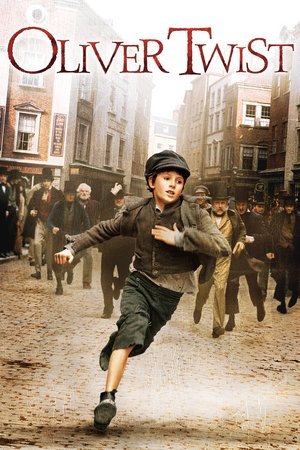
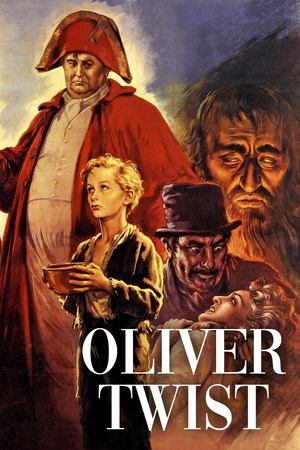
Nicholas Nickleby is a novel by Charles Dickens, originally published as a serial in monthly installments under the pseudonym 'Boz' from March 1838 to September 1839, before being released in book form in 1839. It was Dickens's third novel and followed the immense success of 'Oliver Twist' and 'The Pickwick Papers'. The story centers on the titular character, a young man who must fend for himself and his family after the death of his father leaves them impoverished.
The narrative follows Nicholas as he is sent to work at the brutal Dotheboys Hall boarding school in Yorkshire, run by the sadistic Wackford Squeers. After rebelling against the cruelty he witnesses, Nicholas escapes with a disabled boy named Smike, and the two embark on a series of adventures across England. They encounter a colorful cast of characters, including the theatrical manager Vincent Crummles and the benevolent Cheeryble brothers, while Nicholas's villainous uncle Ralph plots against the family's fortunes.
Like much of Dickens's work, the novel is a sharp social critique, particularly targeting the abusive Yorkshire boarding schools of the era, which were notorious for neglecting and mistreating unwanted children. The public outcry following the novel's publication contributed to the eventual closure of many such institutions. The book blends melodrama, comedy, and pathos, showcasing Dickens's gift for creating memorable characters and his deep concern for social justice.
'Nicholas Nickleby' remains one of Dickens's most beloved and frequently adapted works, celebrated for its episodic structure, its vivid depiction of Victorian England, and its enduring themes of compassion, resilience, and the triumph of good over evil.