📺 Bleak House (2005)
Based on novel
Charles Dickens's Bleak House is one of the most celebrated novels of the Victorian era, originally published in twenty monthly installments between 1852 and 1853. The sprawling narrative weaves together the fates of numerous characters caught in the web of Jarndyce and Jarndyce, an interminable legal case in the Court of Chancery that has consumed generations. At its center is the orphan Esther Summerson, whose first-person narration alternates with a sweeping omniscient voice, creating a dual perspective that was innovative for its time. The novel is both a biting satire of the British legal system and a deeply human story about secrets, identity, and the search for belonging.
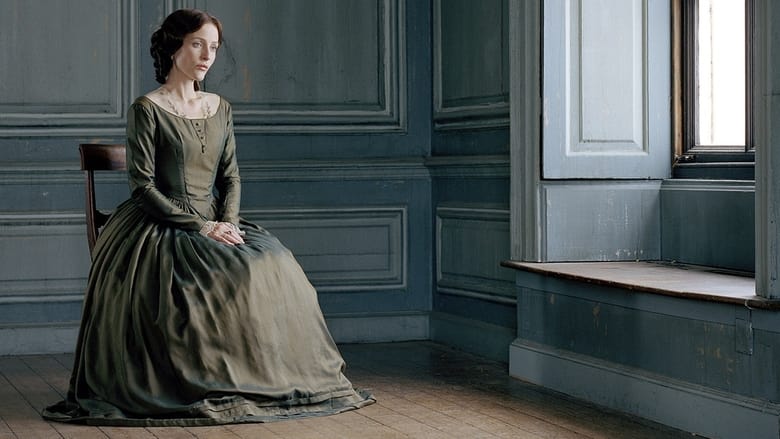
The 2005 BBC adaptation, scripted by Andrew Davies and directed by Justin Chadwick and Susanna White, brought the novel to television in a groundbreaking fifteen-part serial format. Mirroring Dickens's original serialized publication, the episodes were broadcast in half-hour installments on BBC One, creating a sense of event television that drew widespread critical acclaim. The production featured an all-star cast including Gillian Anderson as Lady Dedlock, Charles Dance as Tulkinghorn, and Anna Maxwell Martin as Esther Summerson, with performances that captured both the grandeur and the intimate tragedy of the story.
Davies's adaptation is notable for condensing Dickens's massive novel while preserving its essential spirit and complexity. The screenplay streamlined certain subplots but maintained the dual narrative structure, using voiceover for Esther's portions and a more cinematic approach for the omniscient sections. The visual style emphasized the novel's Gothic atmosphere, with fog-shrouded London streets and the claustrophobic interiors of Bleak House itself creating a palpable sense of mystery and decay. The serial was praised for making a classic work accessible to modern audiences without sacrificing its moral seriousness or emotional depth.
This version stands among the most successful Dickens adaptations ever produced for television, winning multiple awards and sparking renewed interest in the novel. It followed earlier adaptations including a 1985 BBC version starring Diana Rigg and Denholm Elliott, but the 2005 serial's innovative format and high production values set a new standard. The adaptation also highlighted the novel's surprisingly modern themes — bureaucratic dysfunction, institutional failure, and the human cost of legal obstruction — that resonate as powerfully today as they did in Victorian England.

Bleak House is a novel by Charles Dickens, first published as a serial in 20 monthly installments between March 1852 and September 1853. It is widely considered one of Dickens's finest and most complex works, blending social criticism with elements of mystery and Gothic fiction. The story is structured around the infamous legal case of Jarndyce and Jarndyce, a long-running dispute over a contested will that has dragged on for generations in the Court of Chancery, consuming the lives and fortunes of all involved.
Dickens drew inspiration from real legal cases of the era, including the notorious Thellusson v Woodford, which was contested for over sixty years. Through the labyrinthine lawsuit, the novel mounts a savage critique of the British legal system and its capacity for endless delay and corruption. The narrative is split between a third-person omniscient narrator and the first-person account of Esther Summerson, one of Dickens's most memorable heroines, whose quiet strength and mysterious parentage form the emotional heart of the story.
Beyond its legal satire, Bleak House is notable for its atmospheric depiction of Victorian London, particularly its use of fog as a pervasive metaphor for obfuscation and moral decay. This innovation helped establish urban fog as a staple of Gothic literature. The novel features a vast cast of characters from all levels of society, from the aristocratic Sir Leicester Dedlock to the homeless street sweeper Jo, creating a panoramic portrait of a society entangled in its own injustices.
The novel's impact extended beyond literature, contributing to public pressure for judicial reform that culminated in the 1870s. It has remained a cornerstone of English literature and has been adapted numerous times for stage, radio, film, and television, with its intricate plotting and rich characterizations continuing to captivate audiences.